
Angry Namayingo Sugarcane Farmers Confront Sugar Council Over Delayed CN Sugar Licence
The visibly frustrated farmers accused the Sugar Council of frustrating the investment, alleging that some of its members repeatedly visit the company's premises under the guise of offering assistance but instead exploit the investors by soliciting money from them.

Sugarcane farmers in Namayingo District have angrily confronted members of the Sugar Council, demanding an explanation for the prolonged delay in licensing CN Sugar Company, whose factory project in the district has remained stalled for three years despite a presidential directive for the licensing process to be expedited.
The visibly frustrated farmers accused the Sugar Council of frustrating the investment, alleging that some of its members repeatedly visit the company's premises under the guise of offering assistance but instead exploit the investors by soliciting money from them.
The confrontation took place at the stalled CN Sugar factory site in Kifuyo Village, where farmers expressed growing frustration over the prolonged inactivity of the project, which they had expected to transform the local sugarcane industry and stimulate economic development in Namayingo and neighbouring districts.
Construction at the site has ground to a halt, with machinery abandoned and sections of the premises gradually becoming overgrown with bush, raising further concerns among farmers who had invested heavily in sugarcane production in anticipation of the factory's operations.
The farmers blamed the Sugar Council for allegedly disregarding a directive issued through Prime Minister Robinah Nabbanja, which called for the swift licensing of CN Sugar after the project had already spent three years without making meaningful progress.
They argued that the continued delay has deprived them of a reliable market for their sugarcane, leaving many at the mercy of middlemen who allegedly purchase their produce at considerably low prices.
Before engaging the farmers, members of the Sugar Council held a closed-door meeting lasting approximately four hours to discuss the outstanding issues surrounding CN Sugar's licensing and the stalled factory project.
Journalists were barred from the meeting, which brought together officials from CN Sugar, Bugiri Sugar and Kakira Sugar, alongside the Namayingo District Police Commander, the Officer in Charge of Police, Resident District Commissioner, District Chairperson Ronald Sanya and members of his council.
Also in attendance were farmers' representatives and a delegation from the Ministry of Trade and Industry led by David Kiiza, who represented the minister.
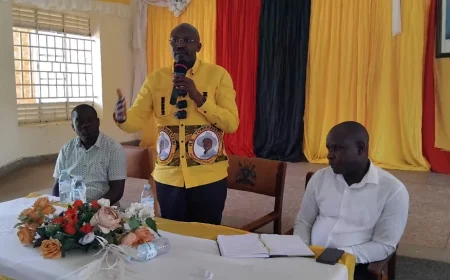
The meeting was chaired by Robert Atugonza, who represented the Sugar Council chairperson.
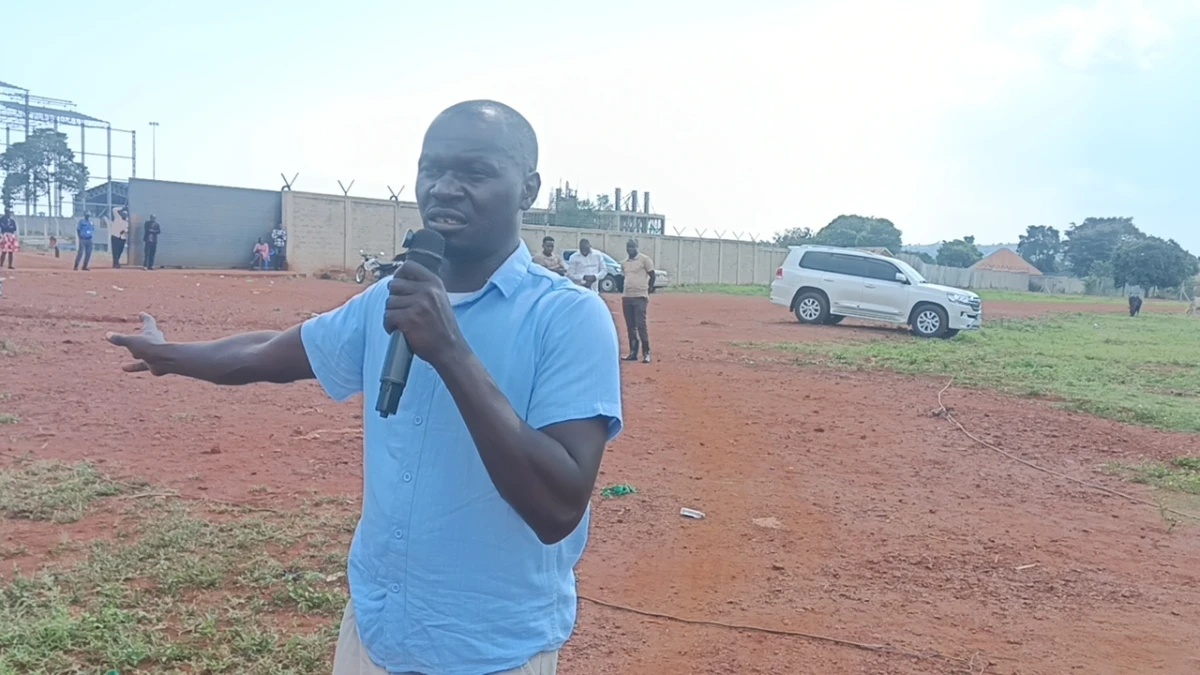
Robert Atugonza represented the Sugar Council Chairperson
When the officials eventually emerged, farmers seized the opportunity to express their dissatisfaction, recounting the economic difficulties they have endured because of the factory's prolonged inactivity.
Among those who addressed the meeting were farmers Deo Disiko and Idah Kigada, who described the challenges they face in marketing their sugarcane and accused middlemen of exploiting their desperation by offering extremely low prices.
The farmers said the absence of an operational factory has significantly weakened their bargaining power, leaving them with limited options for selling their cane despite the substantial investments they have made in cultivation, harvesting and transportation.
The LC1 chairperson of Sango A Village in Kifuyo Parish, Buyinja Sub-county, became emotional as he addressed the officials, accusing leaders of failing to uphold the National Resistance Movement's (NRM) principle of prosperity for all.
He questioned how the community could achieve meaningful economic progress when an investment expected to create employment and expand business opportunities had remained dormant for three years.
He pointed out that an operational CN Sugar factory would provide employment opportunities for local residents, create a reliable market for farmers and increase revenue for local governments through expanded economic activity.
The village leader maintained that the continued delay was undermining the community's development prospects, particularly for residents who had invested their resources in sugarcane farming in anticipation of the factory's operations.
The concerns were also shared by leaders from neighbouring Mayuge District, where several sub-county chairpersons, including their counterparts from Bumairo, revealed that they had personally invested money in sugarcane production, expecting CN Sugar to provide a dependable market.
However, with the factory still inactive, the leaders said they had incurred additional transportation costs as they struggled to find alternative buyers for their produce.
They lamented that transporting sugarcane over long distances had significantly reduced their earnings, making it increasingly difficult to recover their investments.
Namayingo District Chairperson Ronald Sanya issued a stern warning to the Sugar Council, threatening to mobilise the district leadership to pass a resolution banning sugarcane growing in the area if CN Sugar continues to be denied a licence.
Sanya argued that the district could not continue encouraging farmers to invest in sugarcane production when the anticipated market remained uncertain and farmers continued to suffer financial losses.
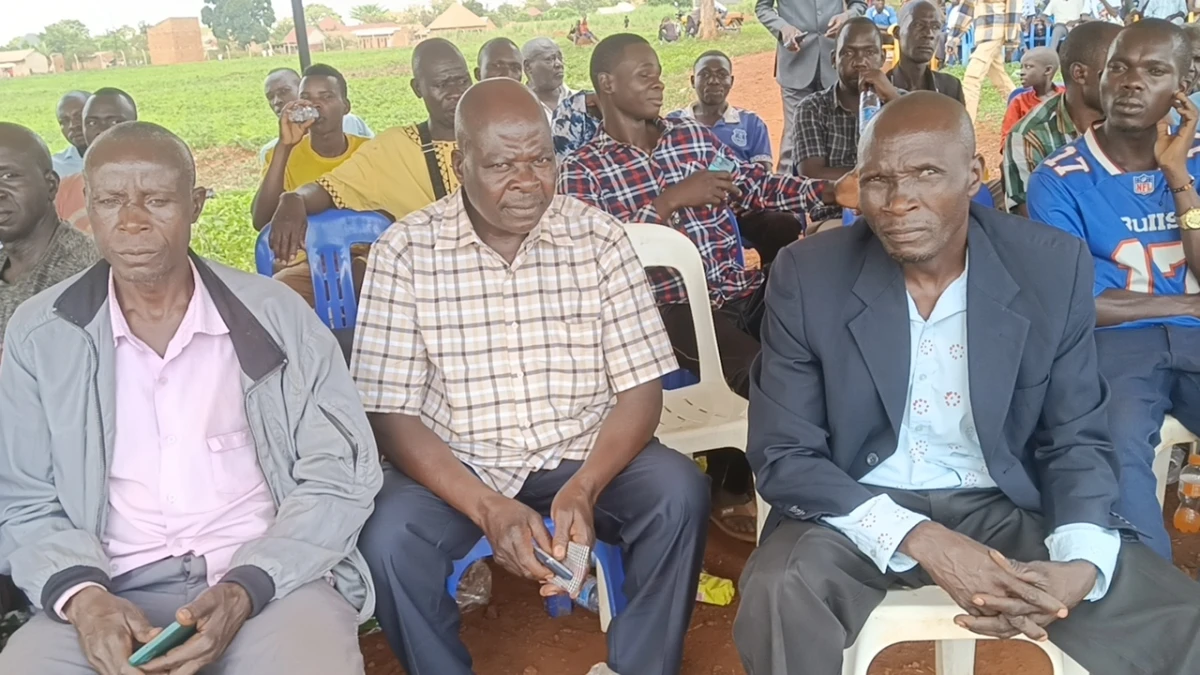
He warned that if the licensing impasse persists, the district could take drastic measures to discourage further sugarcane cultivation, forcing companies that depend on cane from Namayingo to source their raw materials elsewhere.
The district chairperson also cautioned other sugar mills currently purchasing sugarcane from Namayingo against actions he believes undermine CN Sugar's efforts to establish its factory.
His remarks reflected the growing frustration among local leaders, who view the factory as a potentially significant investment in the district's agricultural and industrial development.
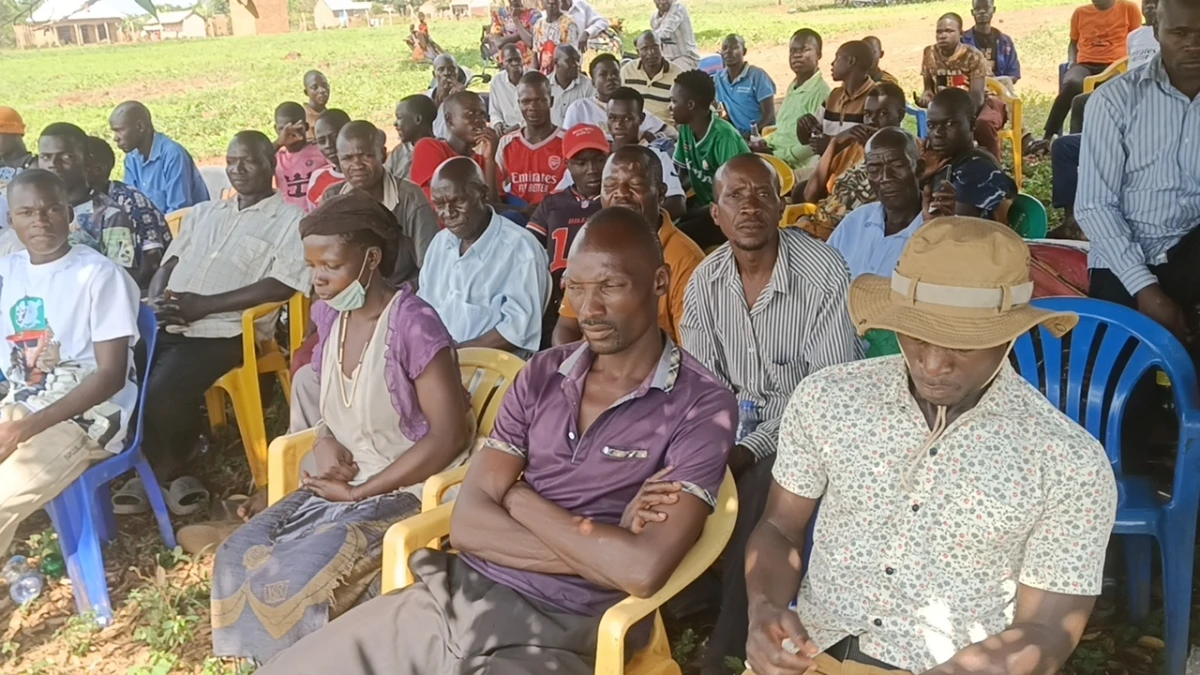
Responding to the concerns, Atugonza said the Sugar Council's visit was intended to assess the outstanding requirements that CN Sugar must fulfil before commencing operations.
He explained that the council would prepare a comprehensive report on its findings and submit it in accordance with the law, adding that the licensing process must follow the applicable legal requirements.
Atugonza attributed the prolonged delay partly to objections raised by other sugar companies, particularly concerning land issues associated with the proposed investment.
He appealed to the farmers not to abandon sugarcane growing, maintaining that the crop remained an important economic activity despite the challenges surrounding CN Sugar's licensing.

Sugarcane Council Committee inspecting part of the land with CN bosses at Nawampago
Following the meeting, the Sugar Council delegation embarked on an inspection of CN Sugar's land holdings to assess the company's investment and address some of the issues raised during the discussions.
The inspection began at approximately 3,000 acres of land in Nawampogo Village, Bukabu Parish, Bukaboli Sub-county, in Mayuge District.
However, journalists were ordered to leave shortly after the inspection began, with officials arguing that their presence was unnecessary and that they could potentially gain access to confidential information that might compromise the council's report.
The decision to exclude the media further limited public access to details of the inspection, which is expected to inform the council's position on the outstanding licensing issues.
The confrontation comes amid growing anxiety among sugarcane farmers in Namayingo and neighbouring Mayuge, many of whom say the prolonged uncertainty surrounding CN Sugar has affected their livelihoods and investment plans.
For the farmers, the factory represents more than an industrial project. They see it as a potential source of a stable market, improved bargaining power, employment opportunities and increased economic activity in the two districts.
However, with construction still suspended and the licensing process unresolved, farmers remain uncertain about when the factory will become operational.
The latest engagement has once again brought the dispute between CN Sugar and the licensing authorities into focus, with farmers demanding that the outstanding issues be resolved to allow the project to proceed.
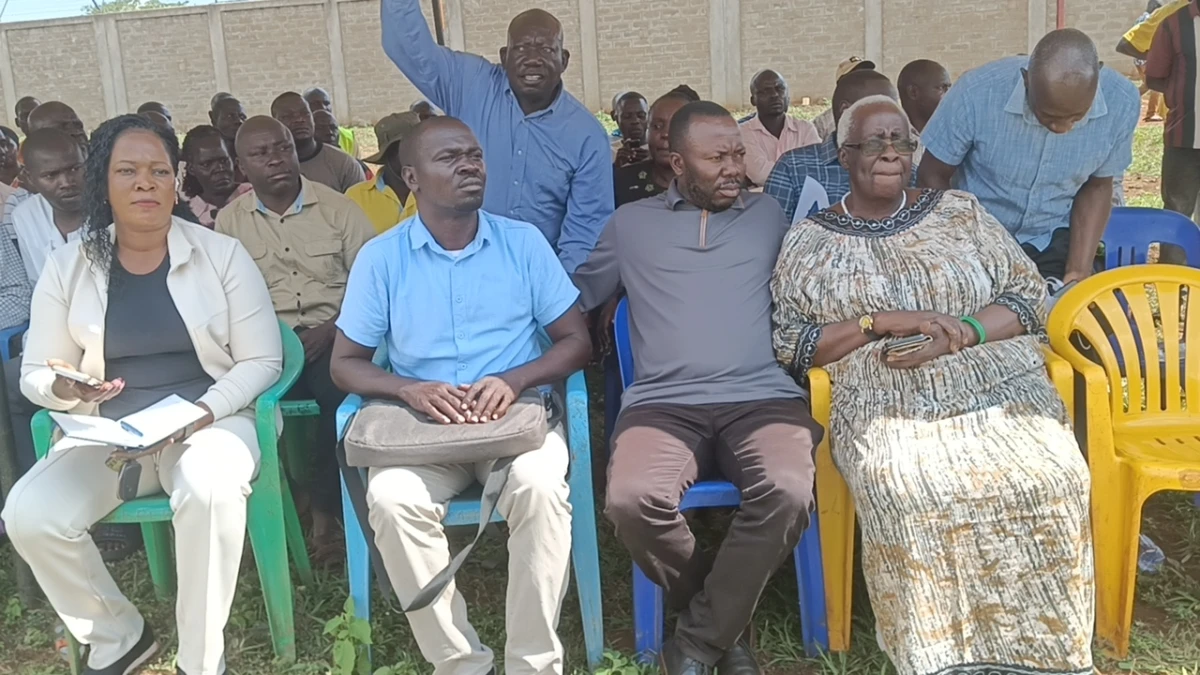
The Sugar Council's planned report is now expected to provide further clarity on the obstacles facing the investment and the steps required to move the licensing process forward.

John Kusolo is a Pastor, Sports Enthusiast and Ugandan journalist with Nile Chronicles News (NCN). With a strong commitment to journalistic excellence, he is recognized for his dedication, goal-oriented approach, and ability to thrive in challenging environments. Kusolo brings focused motivation and professionalism to his reporting and media assignments.
















Comments (0)