
Ruhindi Monitors PDM Implementation for Persons with Disabilities in Nakawa East
Hon. Ruhindi conducted the monitoring exercise on Saturday evening as part of his efforts to establish how government programmes are reaching intended beneficiaries, particularly vulnerable groups that are provided for under affirmative action policies.
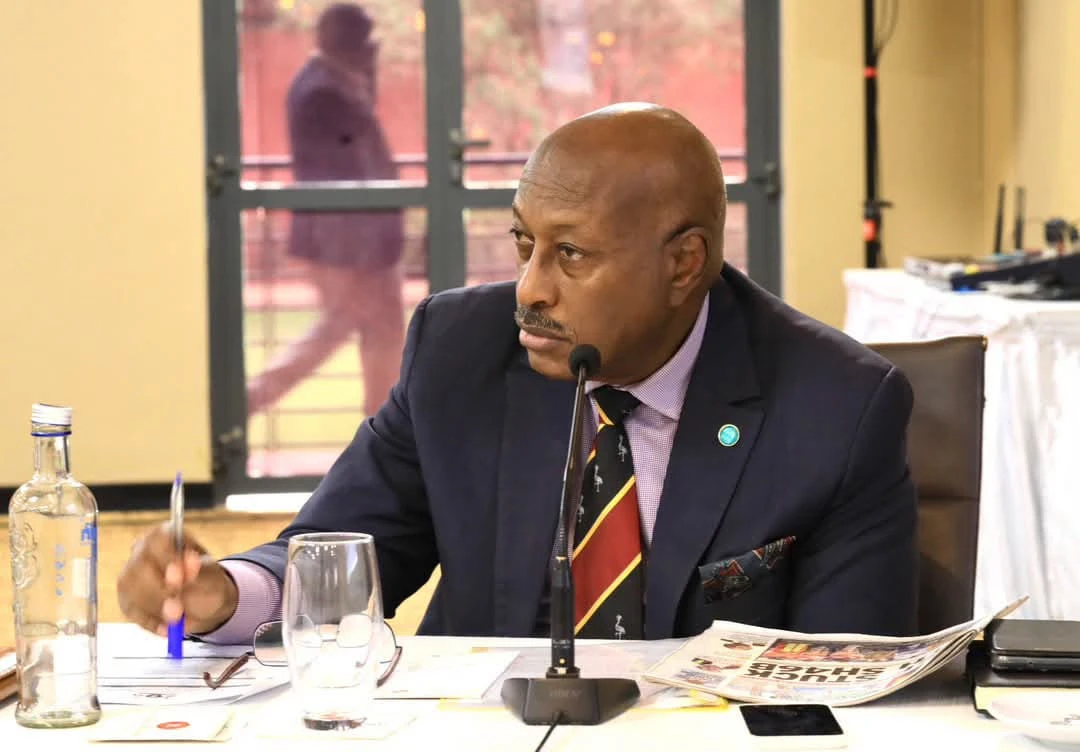
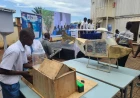
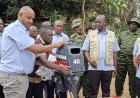
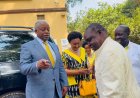
KAMPALA – September 26, 2026 — Nakawa Division East Member of Parliament, Hon. Fredrick Ruhindi, has stepped up his oversight of the Parish Development Model (PDM), monitoring the implementation of the programme among persons with disabilities (PWDs) in Mbuya-Kitawuluzi.
Hon. Ruhindi conducted the monitoring exercise on Saturday evening as part of his efforts to establish how government programmes are reaching intended beneficiaries, particularly vulnerable groups that are provided for under affirmative action policies.
During the engagement with PDM beneficiaries, the legislator asked participants to clarify the proportion of PDM funds specifically earmarked for persons with disabilities.
One of the beneficiaries explained that 10 percent of PDM funds is earmarked for persons with disabilities, adding that under the previous parish allocation of Shs100 million, the provision translated into about 10 PWD beneficiaries per parish.
Ruhindi emphasized that the provision should be respected and that the intended beneficiaries must receive the funds in accordance with the PDM guidelines.
He also welcomed the Government's enhancement of the PDM allocation from Shs100 million to Shs309 million per parish, saying the increased funding should correspondingly expand the number of persons with disabilities benefiting from the programme.
According to Ruhindi's interpretation of the 10 percent provision, the enhanced Shs309 million parish allocation means that about Shs30.9 million should be available for PWD beneficiaries, potentially enabling approximately 30 people with disabilities to benefit in each financial year, depending on the applicable beneficiary and disbursement arrangements.
The MP said the increase in PDM financing should therefore not only be viewed in terms of the overall amount of money reaching parishes, but also in terms of how effectively the additional resources are translating into economic opportunities for different categories of beneficiaries.
Promoting Inclusive Participation
Ruhindi's engagement placed particular emphasis on ensuring that persons with disabilities are not left behind in government poverty alleviation and financial inclusion programmes.
The Constitution of Uganda provides for affirmative action in favour of groups that have historically been disadvantaged, while the Persons with Disabilities Act, 2020 provides a legal framework for promoting and protecting the rights and participation of persons with disabilities.
The MP's monitoring therefore sought to connect these broader legal provisions with the practical implementation of government programmes at parish level.
He stressed that the PDM guidelines should be followed so that the earmarked support reaches the intended PWD beneficiaries rather than remaining a provision on paper.
Linking PDM to Financial Inclusion
The monitoring exercise also highlighted the importance of the financial inclusion component of the Parish Development Model.
PDM is designed to support households to transition into the money economy through access to financing, enterprise development and other interventions intended to increase household incomes.
For persons with disabilities, access to affordable financing can provide an opportunity to establish or expand small enterprises and participate more actively in local economic activities.
Ruhindi's engagement sought to establish whether the policy commitment to include PWDs was translating into actual beneficiaries on the ground.
Strengthening Parliamentary Oversight
The Nakawa East MP also used the engagement to demonstrate the role of legislators in monitoring the implementation of government programmes within their constituencies.
Rather than relying solely on reports presented through administrative channels, Ruhindi went to the community to interact directly with beneficiaries and establish how the programme was being implemented.
The exercise provided an opportunity for beneficiaries to explain their understanding of the PDM guidelines and for the legislator to reinforce the requirement for the PWD allocation to be respected.
The engagement is part of the broader responsibility of Members of Parliament to monitor the implementation of government policies and programmes and raise concerns where gaps are identified.
Focus on Leaving No One Behind
Ruhindi said the increased PDM allocation should translate into greater opportunities for vulnerable groups, including persons with disabilities.
His monitoring in Mbuya-Kitawuluzi brought the issue of PWD participation in PDM to the community level, where beneficiaries can directly discuss the challenges and opportunities associated with accessing government financing.
The activity also underscored the importance of ensuring that national programmes designed to improve household incomes are implemented inclusively and that the groups specifically targeted for support are able to access the available resources.
By engaging directly with PDM beneficiaries, Hon. Fredrick Ruhindi reinforced his call for the programme to move beyond policy commitments and deliver tangible economic opportunities to people at parish level, including persons with disabilities.

John Kusolo is a Pastor, Sports Enthusiast and Ugandan journalist with Nile Chronicles News (NCN). With a strong commitment to journalistic excellence, he is recognized for his dedication, goal-oriented approach, and ability to thrive in challenging environments. Kusolo brings focused motivation and professionalism to his reporting and media assignments.



Comments (0)