
Parliament Forum Urges Government to Fund SAGE Reforms, Fast-Track Health Insurance for Older Persons
The forum made the call on Thursday, October 1, 2026, as Uganda joined the rest of the world to commemorate the International Day for Older Persons under the national theme, “Ageing with Dignity: Strengthening Care and Support Systems for Older Persons.”
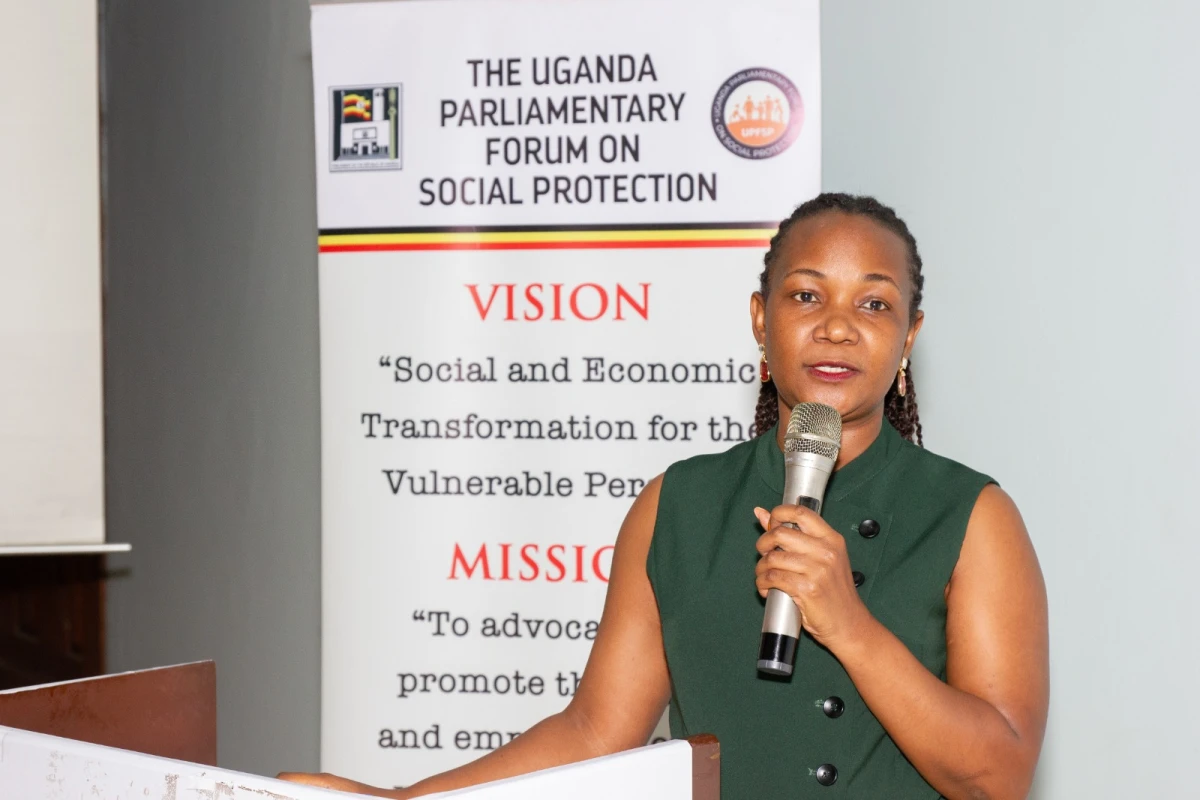
The Uganda Parliamentary Forum on Social Protection (UPFSP) has urged the government to prioritise funding for older persons in the 2027/2028 financial year budget, calling for the implementation of reforms to the Senior Citizens Grant (SAGE) programme and the fast-tracking of the National Health Insurance Scheme Bill.
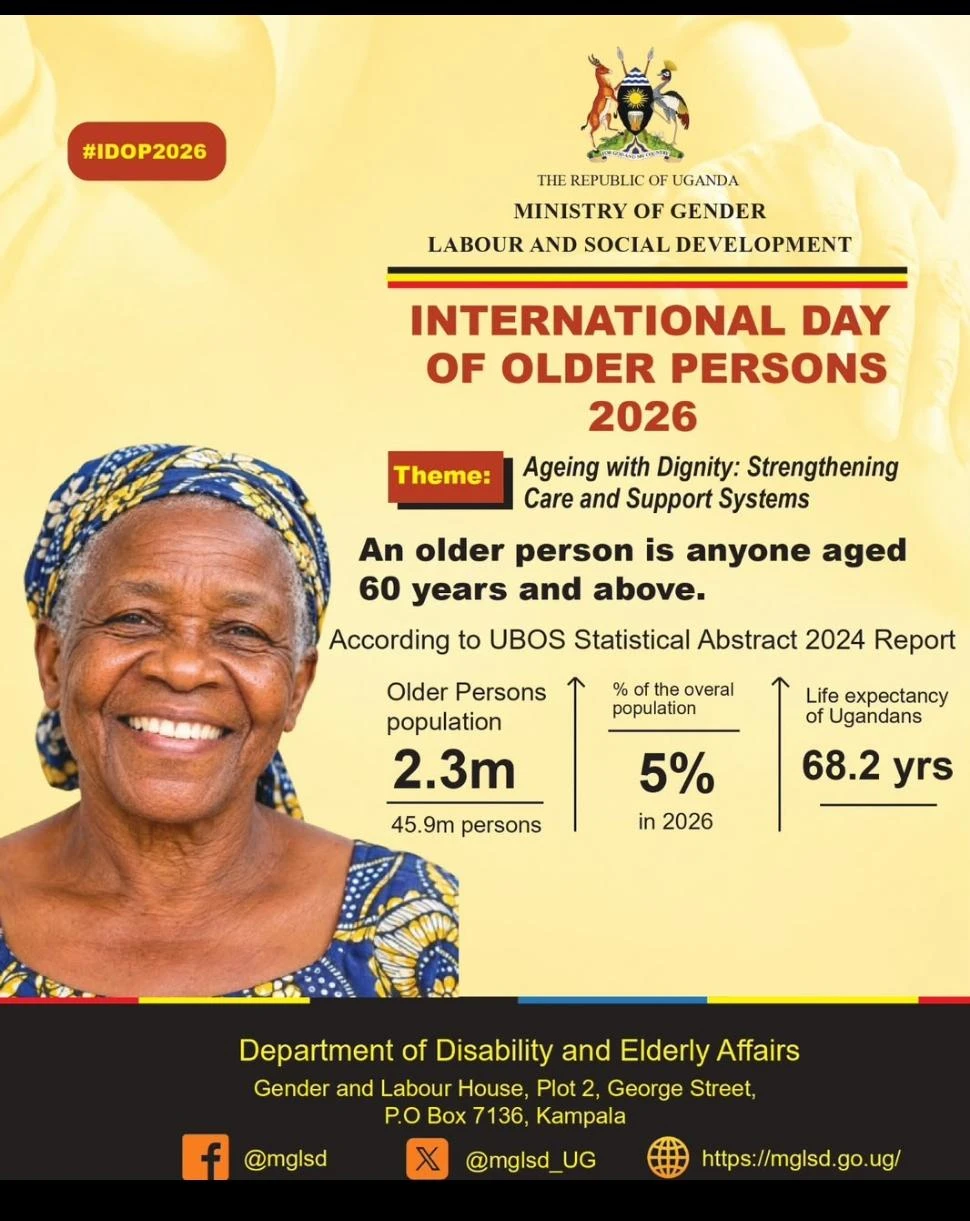
The forum made the call on Thursday, October 1, 2026, as Uganda joined the rest of the world to commemorate the International Day for Older Persons under the national theme, “Ageing with Dignity: Strengthening Care and Support Systems for Older Persons.”
In a statement issued to mark the day, the forum, through its chairperson, was represented by Hon. Emmanuel Ongiertho, MP Nebbi Municipality, said older persons remain important custodians of the country's history, wisdom and cultural values but continue to face growing economic and healthcare challenges.
The forum noted that the gradual weakening of traditional family support systems, rising medical costs and economic shocks have increased the vulnerability of older persons, making comprehensive social protection interventions increasingly necessary.
It called on the government to translate its commitments into tangible interventions through adequate budgetary allocations, improved healthcare services and stronger social protection programmes.
Forum seeks immediate implementation of SAGE reforms
One of the forum's key demands is the immediate implementation of the Cabinet-approved reforms to the Social Assistance Grants for Empowerment (SAGE) programme, which provides financial support to eligible older Ugandans.
Under the proposed reforms, the eligibility age is to be reduced from 80 to 65 years, while the monthly grant is to increase from Shs25,000 to Shs35,000.
The forum commended Cabinet for approving the changes but urged the Ministry of Finance, Planning and Economic Development to provide the necessary funding to facilitate their implementation.
The call comes amid a funding shortfall that has delayed the expansion of the programme. Parliament reported on September 30, 2026, that the government requires an additional Shs252 billion to extend SAGE to older persons aged 65 and above.
Gloria Nakajubi, who represents the UPFSP, said the government should prioritise the proposed reforms in the 2027/2028 financial year budget, which is currently under preparation.
She acknowledged the contribution of the Senior Citizens Grant towards improving the livelihoods of older persons, noting that its benefits extend beyond individual recipients to the households in which they live.
"We've seen interventions such as the Senior Citizens Grant, which has actually transformed the lives of older persons in our communities, but also not just older persons, but also the households in which these older persons live," Nakajubi said.
She urged the government to ensure that the necessary resources are provided to implement the revised eligibility threshold and increased monthly payments, saying adequate financing would enable more older Ugandans to benefit from the programme.
UPFSP calls for fast-tracking of National Health Insurance Scheme Bill
The forum also called on Parliament and the Ministry of Health to fast-track the National Health Insurance Scheme (NHIS) Bill, arguing that the proposed legislation could improve access to affordable and quality healthcare for older persons and the wider population.
According to the UPFSP, many older Ugandans lack health insurance, leaving them vulnerable to high medical expenses, particularly as they increasingly require treatment for age-related conditions.
The forum said a national health insurance scheme based on cross-subsidisation would help address financial barriers to healthcare and provide older persons with greater protection against medical costs.
Nakajubi said the absence of health insurance remains a major obstacle to accessing timely and affordable medical services, particularly for vulnerable groups.
She described the proposed national scheme as an important mechanism for expanding access to healthcare, noting that its benefits would extend beyond older persons to other sections of the population.
The forum therefore urged Parliament and the Ministry of Health to expedite the legislative process to establish a framework that would enable more Ugandans to access healthcare without facing prohibitive costs.
Calls for specialised healthcare for older persons
Beyond financial support and health insurance, the UPFSP called for deliberate investment in specialised healthcare services to address the unique medical needs of older persons.
The forum wants the Ministry of Health to prioritise the training of healthcare workers in geriatric care and ensure that health facilities are equipped with infrastructure suited to older patients.
It also advocated for the deployment of geriatric specialists and the integration of specialised services into lower-level health facilities, which often serve as the first point of access for older persons, particularly in rural communities.
Nakajubi emphasised the need to train health workers to manage conditions associated with ageing, calling for geriatric care services to be made available across the country's healthcare system.
She said lower-level health facilities deserve particular attention because they are often the first places older persons visit when seeking medical assistance.
The forum noted that improving the capacity of health facilities to manage older patients would complement efforts to expand financial protection through health insurance and social assistance.
Forum urges increased social protection funding
The UPFSP further called for increased government expenditure on social protection in the forthcoming financial year, arguing that existing programmes and policy frameworks require adequate financing to deliver meaningful benefits.
Nakajubi said the government had established various interventions and structures to support vulnerable groups but maintained that inadequate financing remained a major challenge.
She urged the government to increase budgetary allocations towards social protection in the 2027/2028 financial year, with particular attention to older persons and other vulnerable populations.
The forum said its legislative, oversight and budgetary responsibilities would continue to be directed towards advocating for laws and policies that safeguard the rights and welfare of older persons.
It also appealed to civil society organisations, the private sector and other stakeholders to support efforts aimed at strengthening care and support systems for senior citizens.
Parliament highlights funding challenges facing older persons
The UPFSP's demands come amid ongoing parliamentary discussions about the financing and expansion of social protection programmes.
On September 30, 2026, Parliament was informed that the planned expansion of SAGE to cover people aged 65 and above had been delayed by a Shs252 billion funding gap. The government currently provides eligible beneficiaries with Shs25,000 monthly.
Parliament has also previously called for improved geriatric healthcare, better-equipped health facilities and increased financial support for older persons. In August 2026, legislators approved a motion seeking improved geriatric care and implementation of the proposed SAGE reforms.
Against this background, the UPFSP said the International Day for Older Persons should serve as an opportunity to renew commitments towards protecting the rights of senior citizens and ensuring that policy decisions are backed by sufficient resources.
The forum reaffirmed its commitment to advocating for a Uganda in which older persons can access healthcare, receive adequate social support and live with dignity, while urging all stakeholders to play their part in strengthening the country's social protection system.

John Kusolo is a Pastor, Sports Enthusiast and Ugandan journalist with Nile Chronicles News (NCN). With a strong commitment to journalistic excellence, he is recognized for his dedication, goal-oriented approach, and ability to thrive in challenging environments. Kusolo brings focused motivation and professionalism to his reporting and media assignments.











Comments (0)