
Social Protection Forum Pushes Government to Expand SAGE, Strengthen Healthcare for Older Persons
Uganda Parliamentary Forum on Social Protection calls for SAGE expansion to 65 years, increase of the grant to Shs35,000 and specialised healthcare for older person
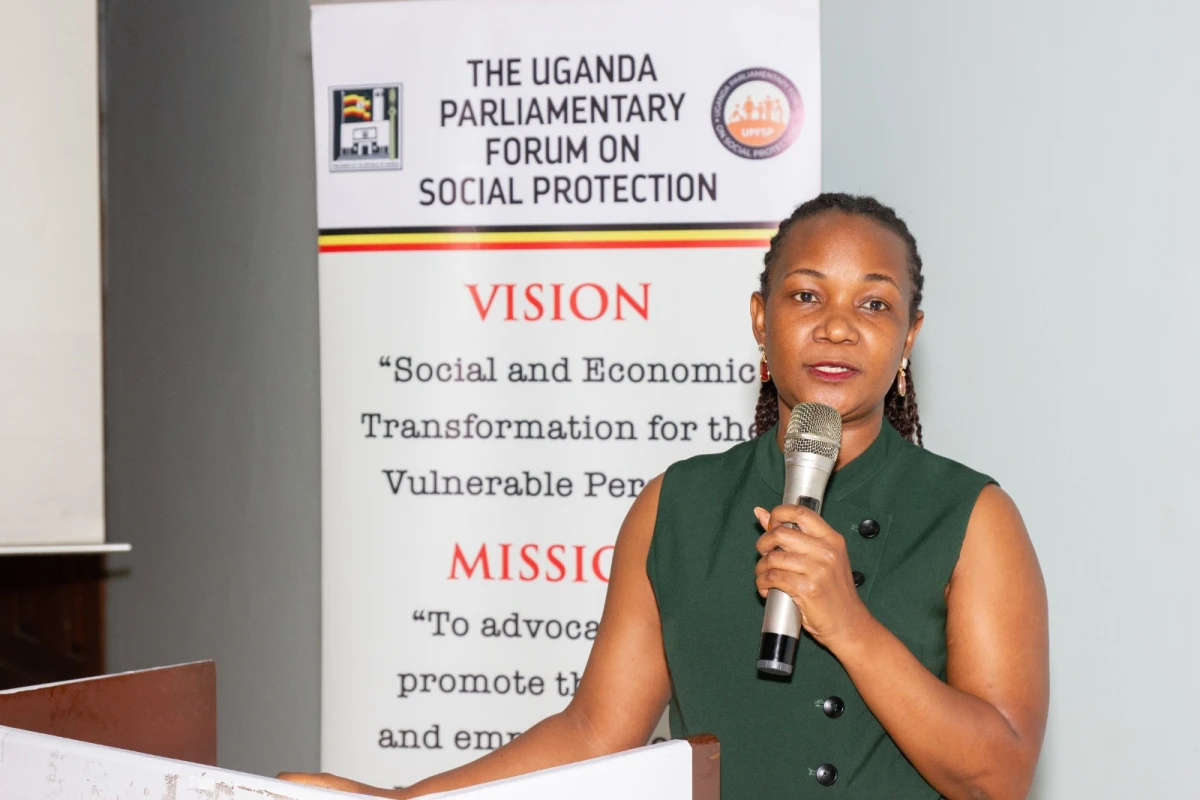
KAMPALA — The Uganda Parliamentary Forum on Social Protection has called on Government to urgently increase funding for older persons, lower the eligibility age for the Senior Citizens Grant from 80 to 65 years and raise the monthly cash transfer from Shs25,000 to Shs35,000.
Gloria Nakajubi, who works with the Uganda Parliamentary Forum on Social Protection, made the call as Uganda joined the rest of the world to mark the International Day of Older Persons on October 1 under the theme “Ageing with Dignity, Strengthening Care and Support Systems for Older Persons.”
Nakajubi commended Government for interventions aimed at improving the welfare of older persons, particularly the Social Assistance Grants for Empowerment (SAGE), saying the programme has had an impact not only on beneficiaries but also on the households in which they live.
She, however, said the gains made through social protection programmes must be matched with adequate financing if older Ugandans are to live with dignity.
“We would like to remind Government to ensure that we have the resources required to lower the age of eligibility from 80 years to 65 and also increase the monthly stipend from Shs25,000 to Shs35,000,” Nakajubi said.
The call comes at a time when the proposed expansion of SAGE remains unfunded. Parliament reported on September 30 that Government had delayed extending the programme to people aged 65 because of a Shs252 billion funding gap. The Minister of State for Gender, Older Persons, Jacqueline Mbabazi, told Parliament that Cabinet had approved the progressive reduction of the eligibility age from 80 to 65, but implementation could not begin without the required funding.
Government currently provides eligible older persons with a monthly SAGE grant of Shs25,000. The Ministry of Gender, Labour and Social Development's service charter states that the existing eligibility threshold is 80 years and above.
Nakajubi urged Government to make the funding of the proposed expansion a priority as preparations for the 2027/28 financial year budget continue.
She said increased investment in social protection would help address the economic vulnerabilities faced by older persons and other groups that depend on social assistance.
Beyond cash transfers, Nakajubi called for deliberate investment in specialised healthcare for older persons.
She urged the Ministry of Health to introduce and strengthen training for health workers in geriatric care and gerontology, arguing that older persons require healthcare services tailored to their specific needs.
“We would like to have special training, deliberate training for health workers in our health facilities to be able to handle older persons,” she said, calling for specialists and appropriately trained personnel to be available at different levels of the health system.
Her call comes amid concerns raised in Parliament about Uganda's limited capacity in geriatric healthcare. In August 2026, Parliament approved a motion calling for improved geriatric healthcare and stronger social protection for older persons.
During the debate, the Minister of State for Older Persons said Uganda had only three geriatric nurses and no formal training programme for geriatric healthcare personnel at the time.
Nakajubi particularly emphasised the importance of specialised services at lower-level health facilities, where many older persons first seek medical attention.
She also urged Government to fast-track the National Health Insurance Scheme Bill, describing health insurance as an important mechanism for improving access to timely and quality healthcare.
According to Nakajubi, many older persons, like other Ugandans, lack health insurance and therefore face difficulties meeting healthcare costs.
She argued that a functioning national health insurance system would provide a broader framework for protecting households from healthcare-related financial pressure while improving access to medical services.
The call for stronger health financing comes as Parliament continues to debate how best to provide sustainable healthcare protection for vulnerable groups. During an August 2026 debate on geriatric care, government officials argued that a national solidarity-based health insurance system could provide broader protection rather than creating a scheme exclusively for older persons.
Nakajubi acknowledged that Government has established various programmes, structures and policy frameworks aimed at supporting older persons but said financing remains one of the major challenges.
She therefore called for increased allocations to social protection in the next financial year, arguing that stronger financing would enable Government to expand coverage and improve the quality of services available to vulnerable populations.
Her remarks come as Parliament and Government grapple with the cost of expanding SAGE. Parliament has reported that Government has so far disbursed substantial resources through the programme, while the proposed expansion to younger older persons remains constrained by the funding gap.
The debate also comes against the broader backdrop of global efforts to strengthen care and support systems for ageing populations. The United Nations has emphasised the importance of people-centred care systems that respect the dignity, autonomy and preferences of older persons while supporting both formal and informal caregivers.
For Uganda, Nakajubi's appeal places renewed focus on whether existing commitments to older persons can be translated into funded programmes, specialised healthcare and broader social protection coverage.
As preparations for the 2027/28 budget continue, the Parliamentary Forum on Social Protection wants the needs of older persons reflected not only in policy commitments but also in actual budget allocations.

Benjamin Mwibo is a talented, passionate and creative journalist with a commitment to high quality out put that is factual and researched. Above all Dedicated with a strong desire to identify the truth of the matter.









Comments (0)