
‘If the Farmer Does Not Farm, Your Work Is Missing’ — Kasura Challenges District Leaders
The Permanent Secretary in the Ministry of Agriculture, Animal Industry and Fisheries (MAAIF), Maj Gen David Kasura Kyomukama, has called on local government leaders to put farmers at the centre of Uganda’s agricultural transformation agenda, saying the success of Government programmes ultimately depends on their ability to improve farmers’ productivity, incomes and access to markets.
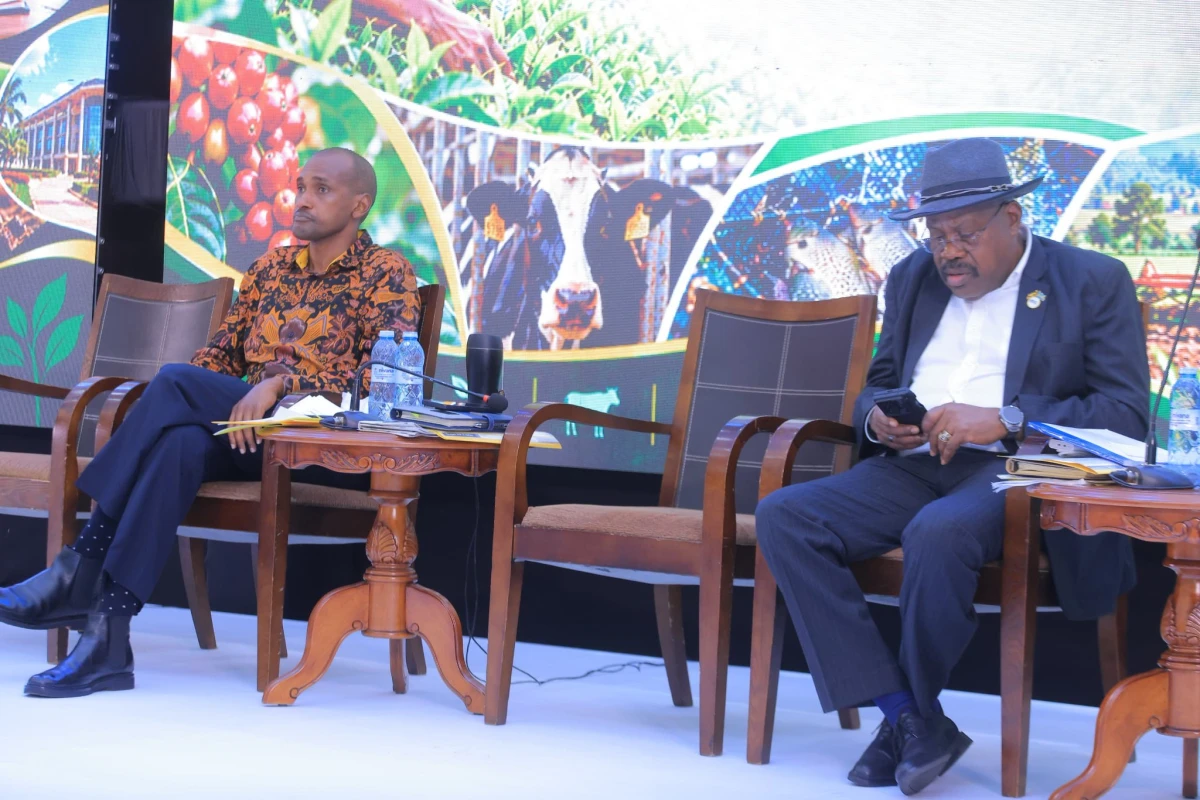
The Permanent Secretary in the Ministry of Agriculture, Animal Industry and Fisheries (MAAIF), Maj Gen David Kasura Kyomukama, has called on local government leaders to put farmers at the centre of Uganda’s agricultural transformation agenda, saying the success of Government programmes ultimately depends on their ability to improve farmers’ productivity, incomes and access to markets.
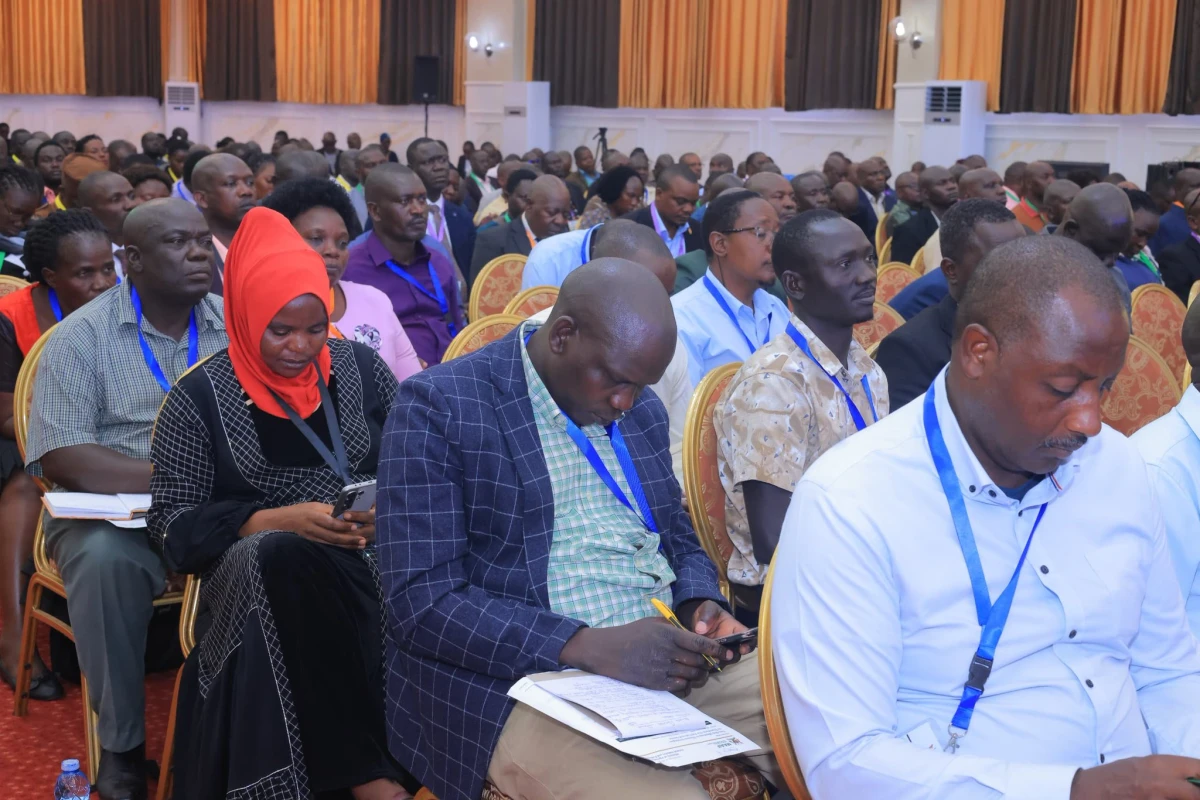
Maj Gen Kasura made the call at Imperial Royale Hotel in Kampala during the MAAIF engagement with district local governments on strategies for transforming Uganda’s agriculture sector.
The engagement brings together local government leaders and agricultural stakeholders to examine practical interventions that can accelerate the transition from predominantly subsistence production to commercial and market-oriented agriculture.
Kasura said leaders at both national and local government levels must ensure that policies and programmes are translated into tangible benefits for farmers at community level.
“The farmer is the most important person in the whole agricultural system. If the farmer does not farm, then your work is missing,” Maj Gen Kasura said.
He urged district leaders to understand the specific challenges facing farmers in their respective areas and ensure that Government interventions respond to those needs.
Farmer must be at the centre
According to Kasura, Uganda's agricultural transformation cannot be achieved simply by increasing Government programmes or resources without establishing whether those interventions are addressing the actual constraints faced by farmers.
He challenged local government leaders to strengthen coordination between agricultural officers, farmers and other stakeholders so that services reach intended beneficiaries efficiently.
He also called for stronger agricultural extension services and farmer education, saying farmers need practical knowledge and guidance to improve production, adopt appropriate technologies and take advantage of emerging markets.
The Permanent Secretary said local leaders should also pay attention to the efficient utilisation of resources and existing investments instead of concentrating only on demands for additional funding.
He urged leaders to identify bottlenecks within their jurisdictions and develop practical solutions that can improve service delivery and agricultural production.
Focus on productivity and incomes
Kasura said Uganda's transition towards commercial agriculture requires interventions that increase productivity while ensuring farmers receive better returns from their efforts.
He highlighted several areas requiring greater attention, including access to quality seed and planting materials, improved livestock genetics, mechanisation, irrigation, post-harvest handling, value addition, quality assurance and market linkages.
Access to quality agricultural inputs, he noted, is critical to improving yields and the quality of agricultural products entering the market.
Similarly, investment in livestock genetics can improve animal productivity, while mechanisation and irrigation can help farmers overcome some of the limitations associated with labour shortages and unreliable rainfall.
Kasura also emphasised the need to reduce post-harvest losses and increase value addition so that farmers can earn more from their produce rather than selling raw commodities at low prices.
Districts urged to identify local solutions
The Permanent Secretary challenged district leaders to move beyond simply requesting additional resources from central government.
Instead, he urged them to examine the resources, infrastructure and investments already available in their districts and identify how these can be better utilised to benefit farmers.
He said local governments are better positioned to understand the particular agricultural challenges affecting their communities and should therefore play a stronger role in developing practical responses.
These may include addressing gaps in extension services, improving coordination among agricultural actors, making better use of irrigation infrastructure and strengthening connections between farmers and available markets.
Kasura's message comes as Government continues to pursue interventions aimed at transforming agriculture into a more productive, commercial and market-oriented sector.
Reliable data critical for planning
The Permanent Secretary also stressed the importance of reliable agricultural data in guiding planning and resource allocation.
He urged district leaders to know the production figures, agricultural potential and major commodities in their respective areas.
Accurate information on what is produced, where it is produced and the challenges affecting production, he said, is essential for Government and local authorities to design interventions based on evidence rather than assumptions.
Reliable district-level data can also help identify opportunities for investment, connect farmers to markets and determine where interventions such as irrigation, mechanisation, extension services and improved inputs are most urgently required.
Strengthening national-local government coordination
The MAAIF engagement is aimed at strengthening the connection between national agricultural priorities and implementation at local government level.
Kasura said effective agricultural transformation requires close collaboration between central government ministries and departments, district authorities, agricultural officers, farmers and other stakeholders.
Local governments have an important role in ensuring that policies and programmes are effectively implemented on the ground, while also providing feedback on challenges encountered by farmers.
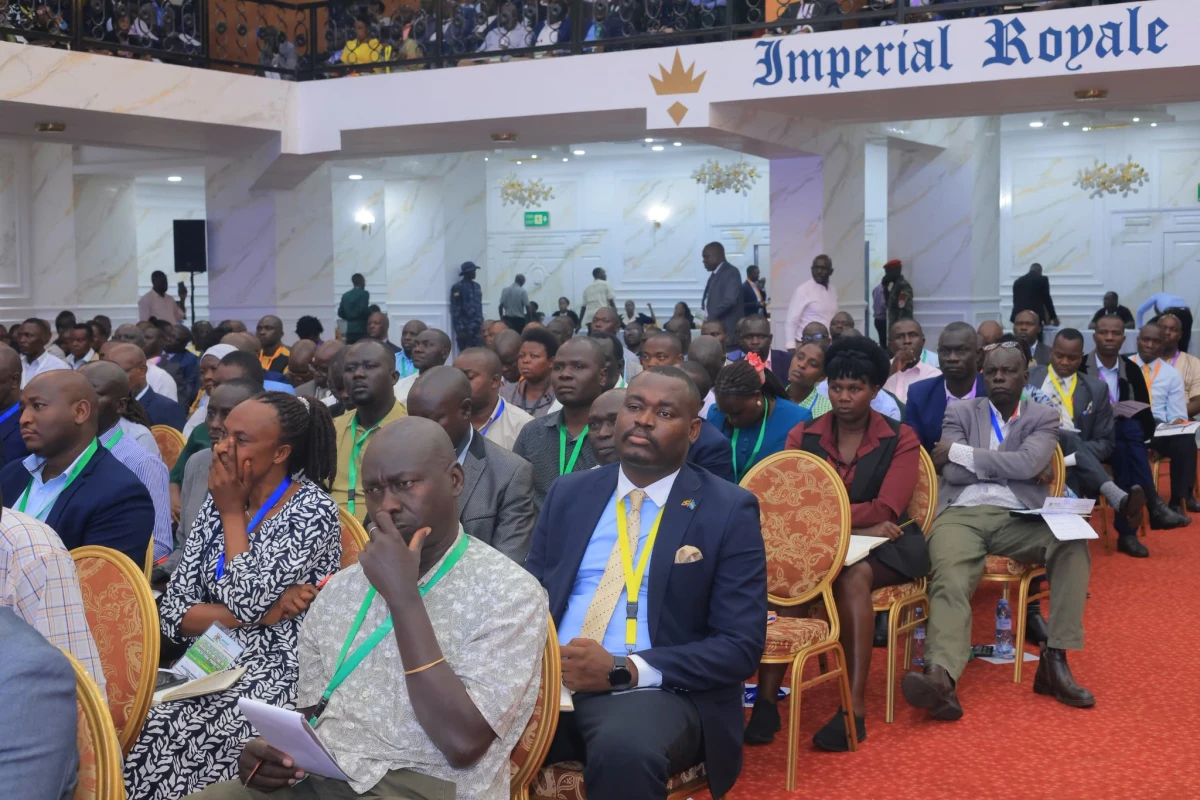
The engagement therefore provides an opportunity for district leaders to share experiences, identify implementation gaps and develop strategies that can deliver measurable improvements in agricultural production and household incomes.
From subsistence to commercial agriculture
Uganda's agricultural transformation agenda seeks to move farmers from subsistence production towards commercial and market-driven agriculture.
Kasura said this transformation must remain firmly focused on the farmer, because increased production alone will not necessarily translate into improved livelihoods unless farmers can access profitable markets and obtain better value for their products.
This requires an integrated approach covering production, input access, extension, mechanisation, irrigation, storage, post-harvest management, processing, quality standards and marketing.
The PS's call therefore places local government leaders at the centre of efforts to close the gap between Government policy and the realities experienced by farmers.
He urged leaders to ensure that every intervention ultimately answers a fundamental question: how does it improve the farmer's ability to produce, earn and access markets?
The MAAIF engagement is expected to strengthen collaboration between the Ministry and districts as Uganda seeks to accelerate agricultural transformation and make farming a more productive and sustainable source of livelihoods and national economic growth.

John Kusolo is a Pastor, Sports Enthusiast and Ugandan journalist with Nile Chronicles News (NCN). With a strong commitment to journalistic excellence, he is recognized for his dedication, goal-oriented approach, and ability to thrive in challenging environments. Kusolo brings focused motivation and professionalism to his reporting and media assignments.














Comments (0)