
Namayanja Leads Launch of SDA Monthly Cleaning and Community Outreach Drive
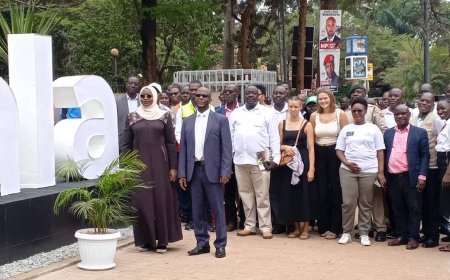
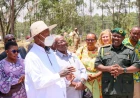
The initiative was officially launched at Kidomole LC1 in Lubaga Division, Kampala, by NRM Deputy Secretary General Rt. Hon. Rose Namayanja Nsereko, alongside the Archbishop of the Seventh-day Adventist Church in Uganda, Pastor Samuel Kajoba, and Central Uganda Conference Bishop Pastor David Simwogerere.
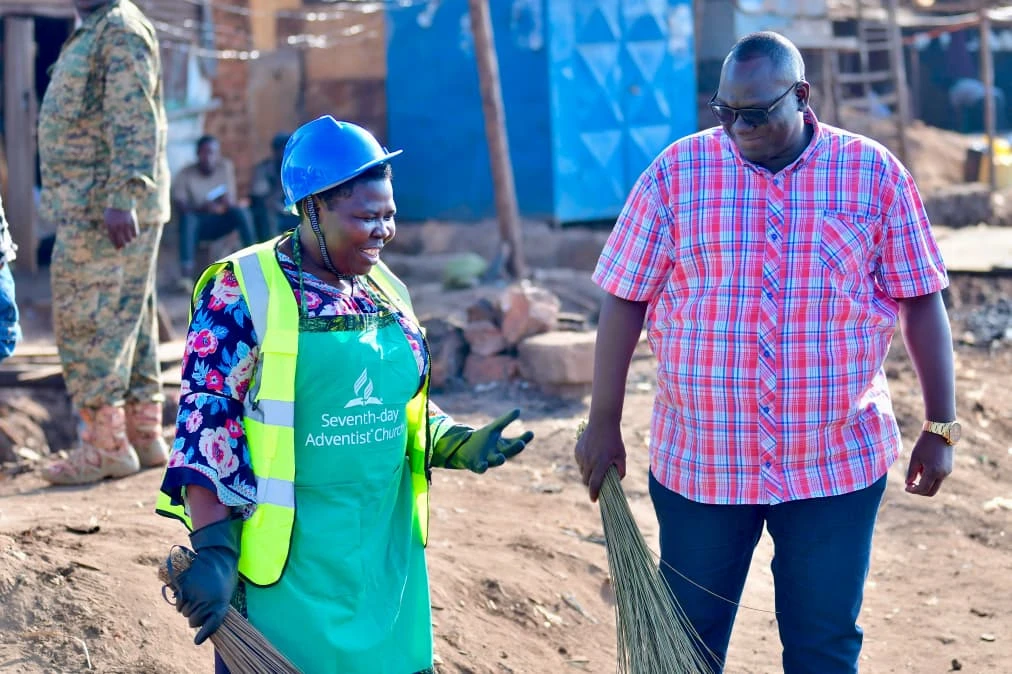
The Seventh-day Adventist (SDA) Church in Uganda has joined the Government of Uganda’s National Cleaning Day campaign, adding a distinctive faith-based approach that combines environmental sanitation, evangelism, health awareness and community service.
The initiative was officially launched at Kidomole LC1 in Lubaga Division, Kampala, by NRM Deputy Secretary General Rt. Hon. Rose Namayanja Nsereko, alongside the Archbishop of the Seventh-day Adventist Church in Uganda, Pastor Samuel Kajoba, and Central Uganda Conference Bishop Pastor David Simwogerere.
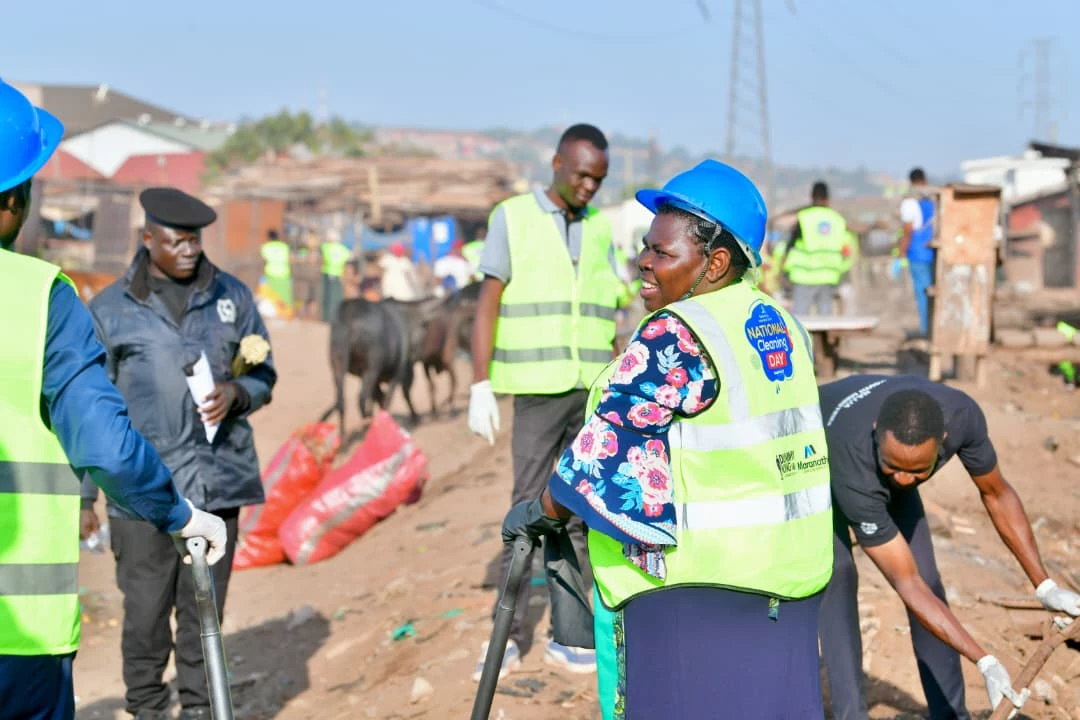
The launch marked the beginning of a monthly nationwide cleaning programme through which SDA members will participate in efforts to improve sanitation in their communities while observing the church's Sabbath, which falls on Saturday.
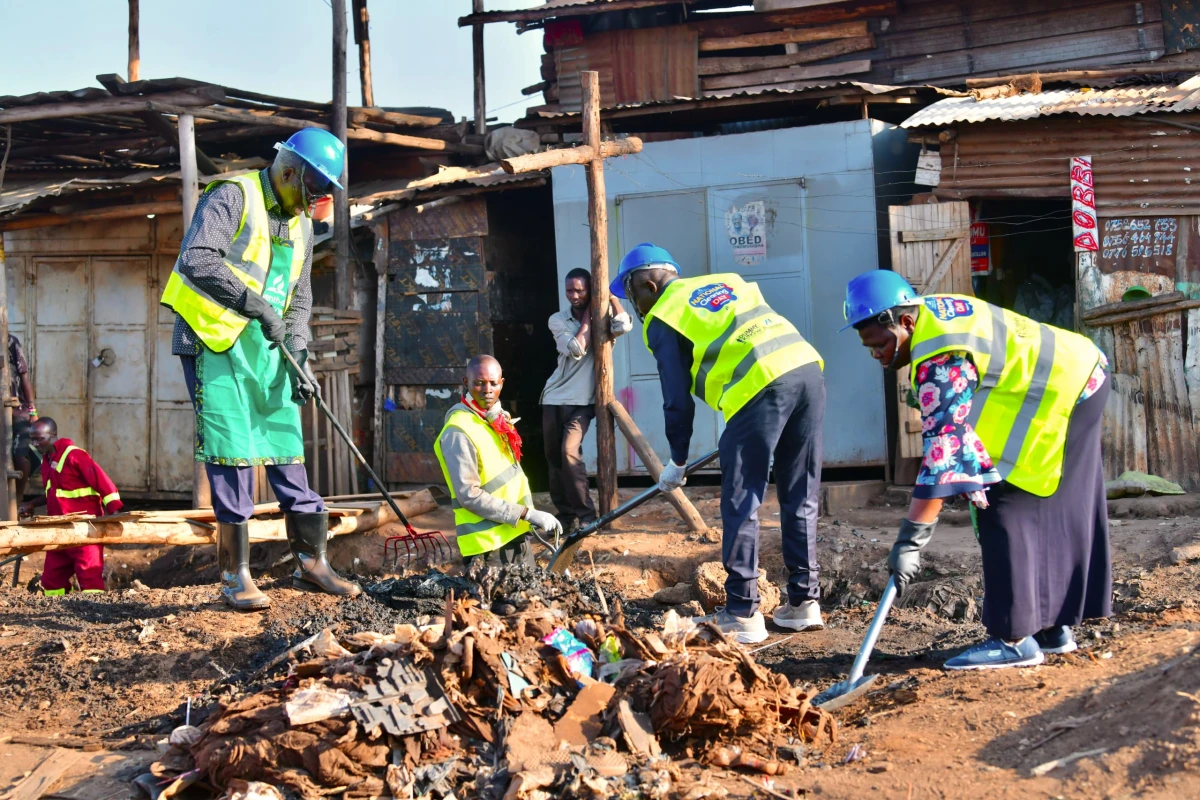
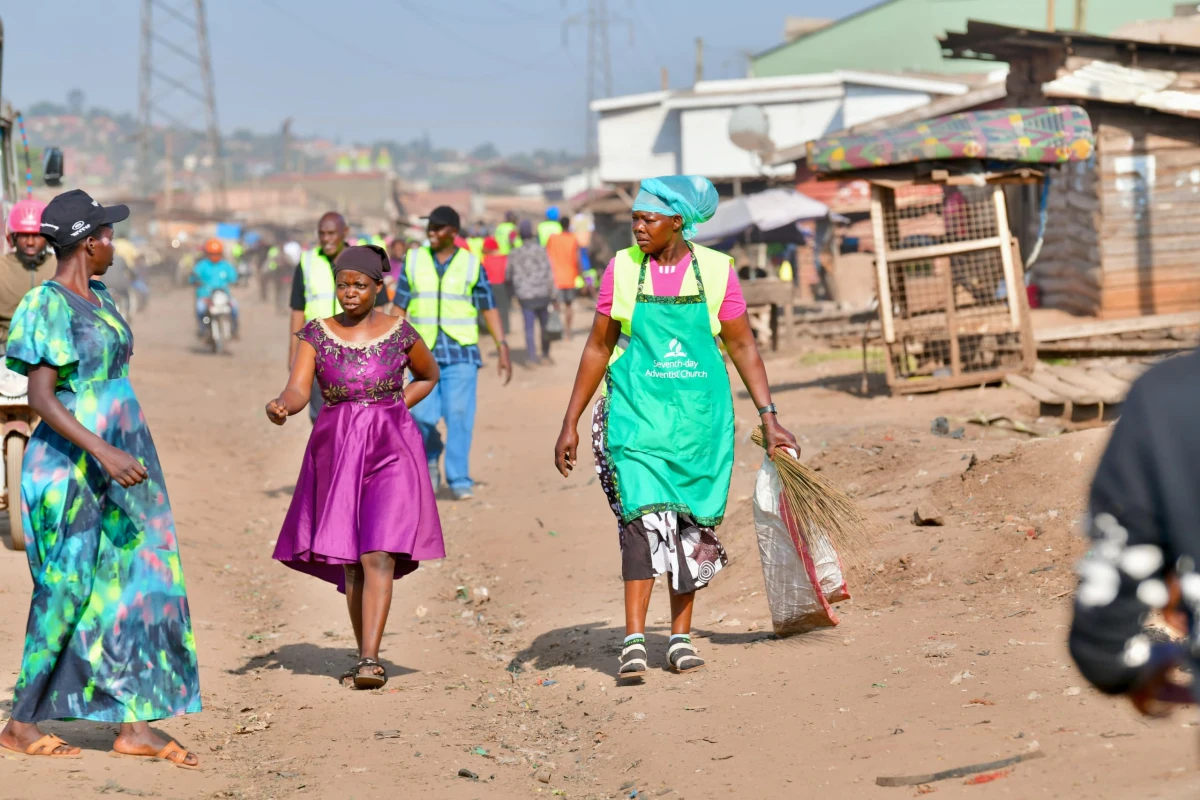
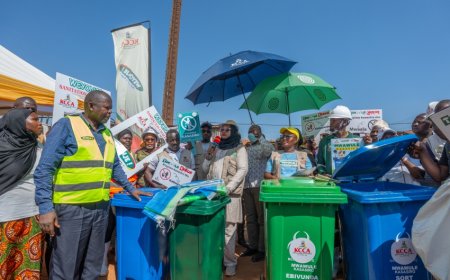
At Wilson Zone, SDA members demonstrated how the programme will combine physical cleaning with spiritual and social outreach. The faithful cleaned their surroundings, collected litter and interacted with residents, while also distributing evangelical books and soap and sharing messages about faith, cleanliness, hygiene and healthy living.
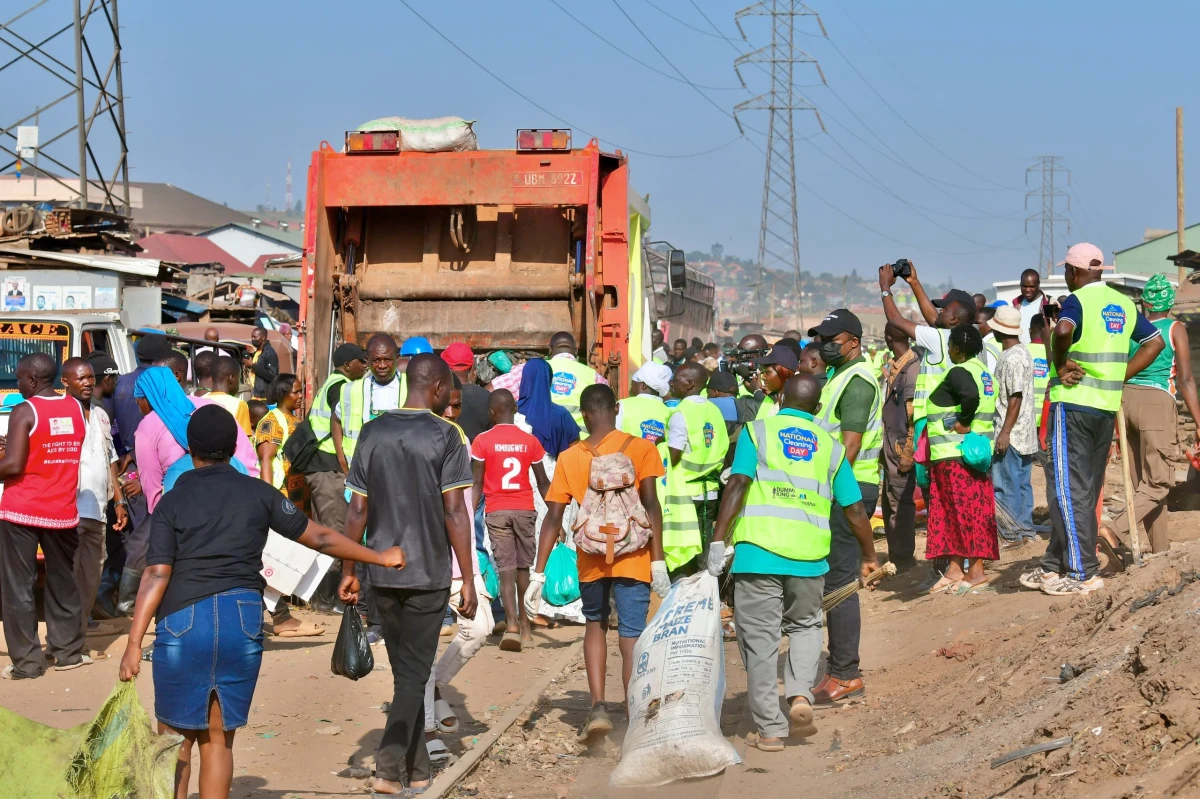
The programme comes after the Government designated the last Saturday of every month as National Cleaning Day, aimed at mobilising Ugandans to improve sanitation, protect public health and reduce diseases associated with poor hygiene and unclean environments.
Namayanja launches faith-based sanitation drive
Speaking at the launch, Rt. Hon. Rose Namayanja commended the Government for introducing the National Cleaning Day campaign, describing sanitation as an important component of disease prevention and public health.
“We want to thank the Government of Uganda for coming up with such a day as far as cleaning our areas is concerned, which is aimed at protecting our lives because many of the diseases that we have are preventable,” Namayanja said.
She explained that the cleaning campaign was intended to encourage communities to take greater responsibility for their surroundings and contribute to the prevention of diseases that can be avoided through improved sanitation and hygiene.
Namayanja also applauded the SDA Church for responding positively to the national initiative and mobilising its members to participate in the programme.
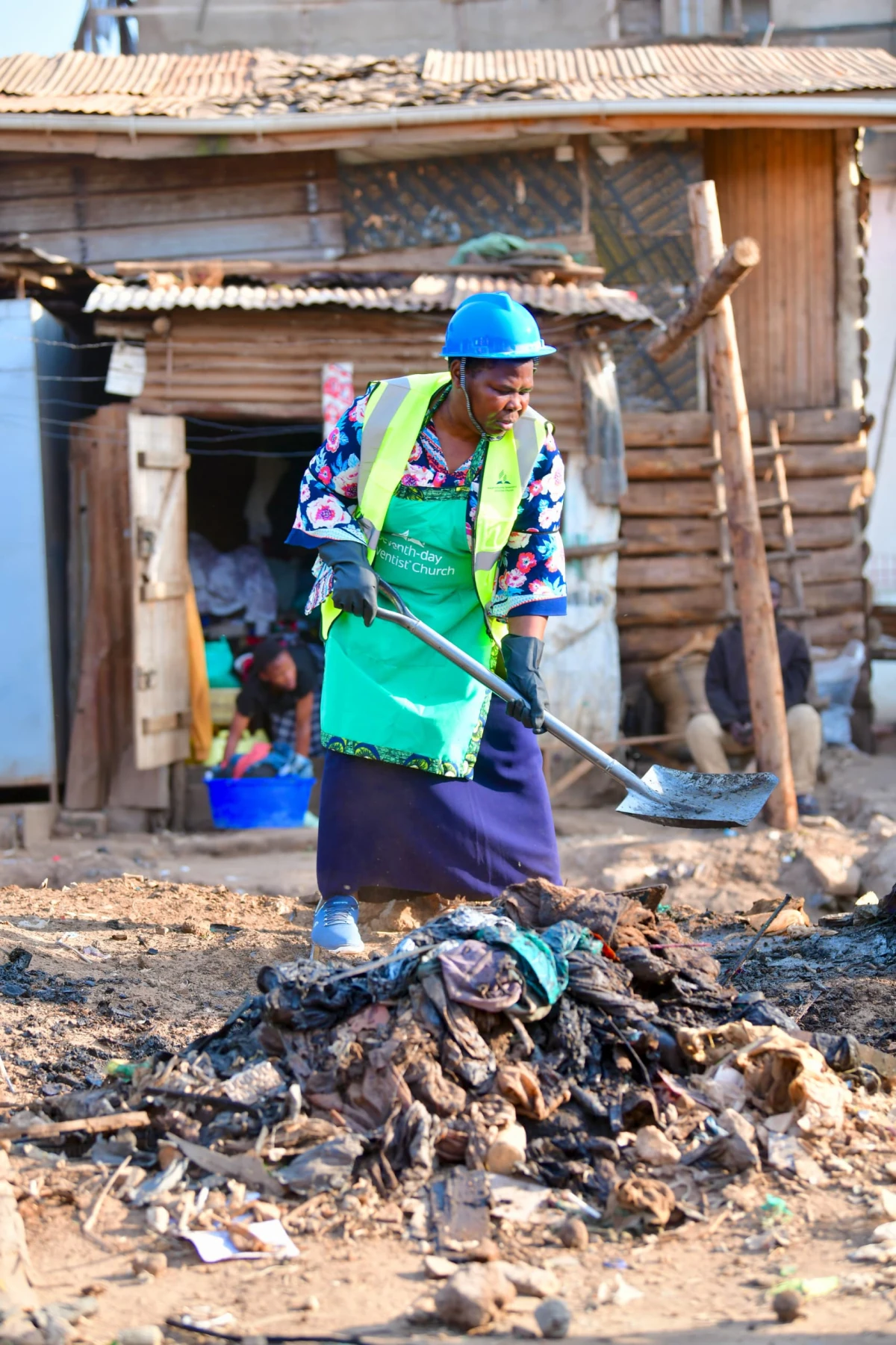
She particularly appreciated the cooperation between the Government and the church after SDA leaders raised concerns about participating in an activity scheduled on Saturday, which is observed as the Sabbath by Adventists.
The engagement resulted in an arrangement allowing SDA members to undertake their cleaning activities on an alternative day, enabling them to contribute to the national sanitation campaign without compromising their religious observance.
Namayanja said the accommodation demonstrated the value of dialogue and cooperation between Government and faith-based institutions in addressing challenges affecting communities.
She further noted that the initiative would not remain limited to Kampala, but would be replicated through SDA structures in different parts of the country.
SDA Church links cleanliness to faith and health
Pastor Samuel Kajoba said the participation of the SDA Church in the cleaning campaign was consistent with the church's long-standing emphasis on cleanliness, health and community service.
“Our church believes in cleanliness. Health is a very important element in our Adventist teaching. We believe in cleanliness and we believe in health,” Kajoba said.
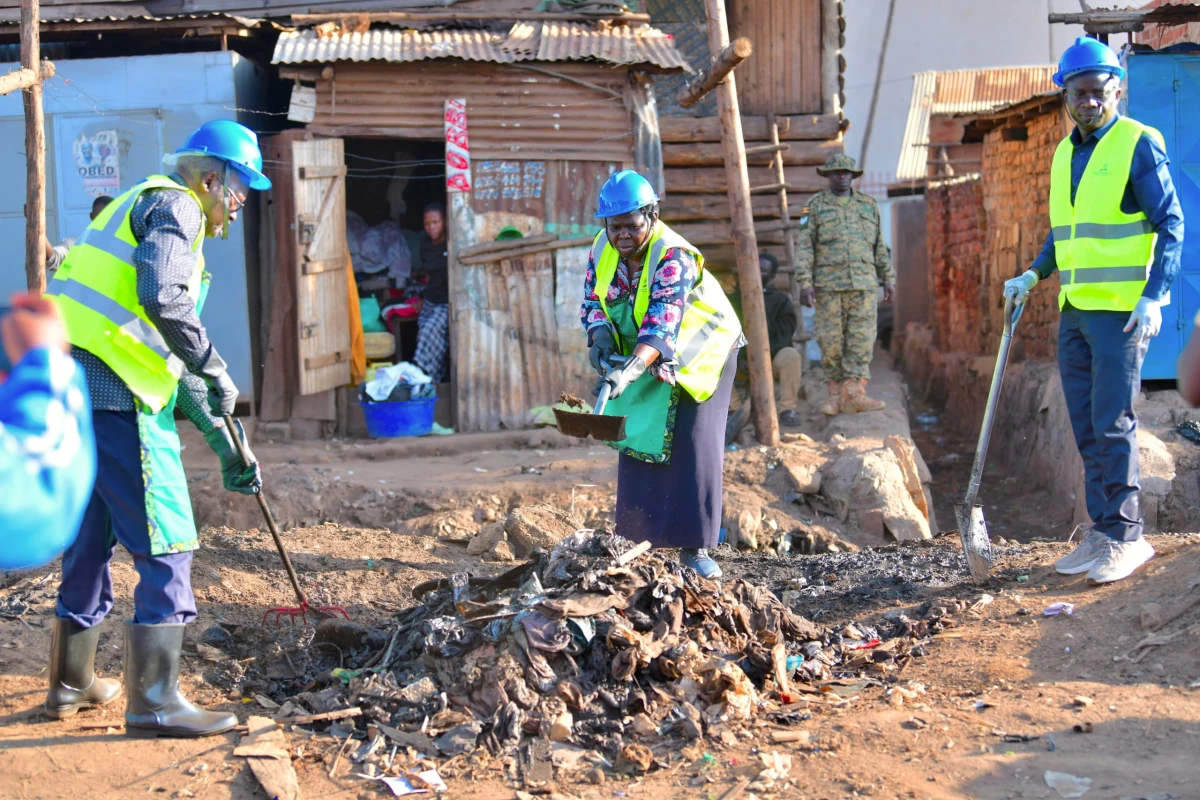
He explained that the SDA Church has structures dedicated to health, development and community service, which provide a foundation for the church to participate in initiatives aimed at improving the welfare of Ugandans.
According to Kajoba, sanitation should not be viewed simply as a government responsibility, but as a shared obligation involving religious institutions, communities, families and individual citizens.
He said the SDA Church was prepared to complement Government efforts by mobilising its members across the country to participate in regular cleaning exercises.
The initiative, he added, would provide Adventists with an opportunity to put their faith into practical action by serving communities and promoting healthy lifestyles.
Cleaning meets evangelism
One of the distinctive features of the SDA programme is its combination of sanitation and evangelism.
During the Wilson Zone exercise, church members did not limit their activities to cleaning public spaces. They also reached out to residents with evangelical literature and soap while sharing messages on Christian values, hygiene and healthy living.
The approach reflects the church's desire to address both the physical and spiritual wellbeing of the communities in which its members live.
For the SDA leadership, a clean environment, a healthy body and a responsible community are interconnected aspects of human wellbeing.
The distribution of soap and educational materials also gave church members an opportunity to interact directly with residents and encourage them to adopt better hygiene practices in their homes and neighbourhoods.
Simwogerere pledges monthly participation
Pastor David Simwogerere described the launch at Kidomole as an important milestone and pledged that the cleaning exercise would become a regular component of SDA community engagement.
“This is just the beginning, and we pledge that every month, as the faithful of the Seventh-day Adventist Church, we will engage in this exercise,” Simwogerere said.
He urged Adventists to ensure that the campaign extends beyond public spaces and becomes part of everyday life, beginning with individual homes and surrounding neighbourhoods.
Simwogerere emphasised that maintaining a clean environment should be regarded as a personal and collective responsibility rather than an obligation left exclusively to Government authorities.
He also linked proper sanitation to disease prevention, noting that communities can reduce the burden of preventable illnesses by maintaining clean homes, roads, drainage channels and public spaces.
Local leaders welcome church participation
The exercise also attracted the participation of Rubaga Division Mayor Zacchy Mberaze Mawula, who praised the SDA Church for embracing the national cleaning campaign.
Mberaze said religious institutions have a critical role to play in mobilising communities and promoting responsible citizenship.
He encouraged residents to maintain the cleanliness achieved during the exercise instead of treating the campaign as a one-day activity.
The mayor's participation also underscored the importance of collaboration between local authorities and faith-based organisations in addressing sanitation challenges at community level.
A nationwide commitment
The SDA Church's initiative is expected to create an additional network of community volunteers supporting Uganda's sanitation agenda.
Through its churches and administrative structures across the country, the denomination has a wide membership base that can be mobilised for regular community cleaning, health education and social outreach.
The monthly programme is therefore expected to complement Government efforts while giving SDA members a structured way of participating in national development and community service.
The initiative also demonstrates how Government programmes can accommodate the religious practices of different faith communities while maintaining their broader national objectives.
By engaging the SDA Church and finding an alternative arrangement for Sabbath observers, the Government has created room for Adventists to participate meaningfully in the national sanitation campaign.
More than just cleaning
The launch at Kidomole and the activities in Wilson Zone have positioned the SDA initiative as more than an ordinary cleaning exercise.
It brings together sanitation, health promotion, environmental responsibility, community service and evangelism under one programme.
For the church, keeping communities clean is not only about removing rubbish. It is also about encouraging people to take responsibility for their health, caring for their neighbours and translating Christian teachings into practical service.
The partnership between Government and the SDA Church also sends a broader message that improving sanitation requires the involvement of all sections of society.
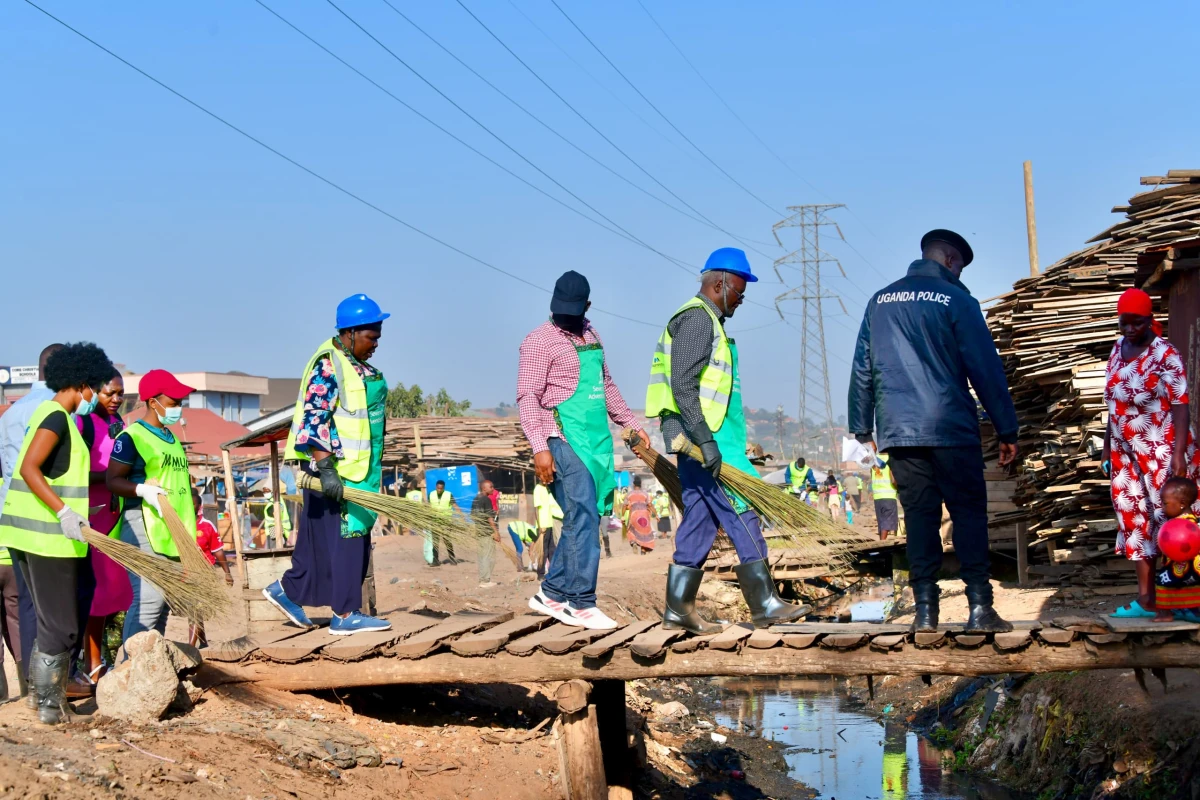
As the SDA Church prepares to take the programme to communities across Uganda every month, the initiative launched by Rt. Hon. Rose Namayanja Nsereko is expected to add a strong faith-based component to the country's campaign for cleaner, healthier and safer communities.

John Kusolo is a Pastor, Sports Enthusiast and Ugandan journalist with Nile Chronicles News (NCN). With a strong commitment to journalistic excellence, he is recognized for his dedication, goal-oriented approach, and ability to thrive in challenging environments. Kusolo brings focused motivation and professionalism to his reporting and media assignments.












Comments (0)