
Ministry of Health, KCCA Launch National Sanitation Week 2026 with Kamwokya Clean-Up Drive
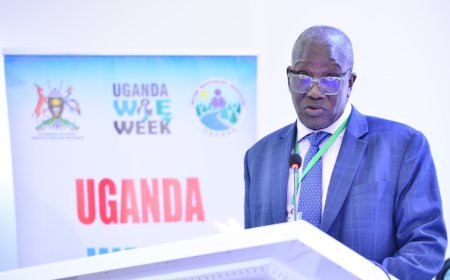
The launch, held at Kamwokya Market Grounds in Central Division, brought together government leaders, Members of Parliament, local authorities, market vendors and residents under the theme, “Acceleratingb Safely Managed Sanitation for a Healthy Uganda.” The event set the tone for a week of nationwide activities aimed at promoting responsible sanitation practices and reducing preventable diseases linked to poor hygiene.
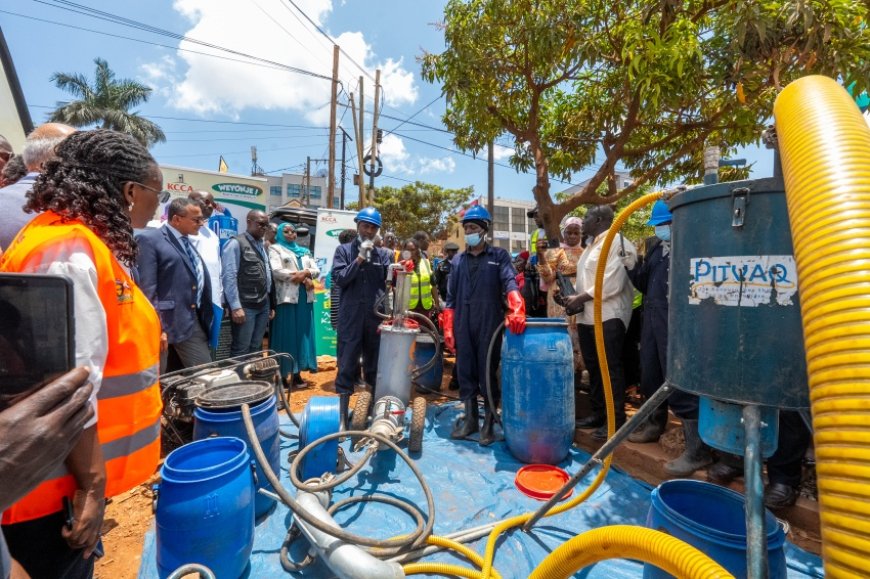
The Ministry of Health, in partnership with Kampala Capital City Authority (KCCA), on Monday officially launched National Sanitation Week 2026 with a community clean-up exercise in Kamwokya, reaffirming government’s commitment to improving hygiene and waste management practices across the country.
The launch, held at Kamwokya Market Grounds in Central Division, brought together government leaders, Members of Parliament, local authorities, market vendors and residents under the theme, “Acceleratingb Safely Managed Sanitation for a Healthy Uganda.” The event set the tone for a week of nationwide activities aimed at promoting responsible sanitation practices and reducing preventable diseases linked to poor hygiene.
Community-Led Clean-Up
In a show of solidarity and shared responsibility, residents joined officials in clearing garbage from drainage channels, collecting litter from public spaces and participating in sensitization sessions on proper waste disposal and household sanitation practices. The exercise highlighted the critical role communities play in maintaining clean environments and preventing sanitation-related illnesses.
KCCA Executive Director Sharifah Buzeki, who presided over the event as chief guest, underscored that sanitation is not merely about physical infrastructure but about dignity, health and sustainable urban growth.
“Sanitation is more than infrastructure like roads. When sanitation is compromised, people cannot live with dignity,” Buzeki said. “We are committed to ensuring that every citizen in Kampala can access safe and dignified sanitation services.”
She emphasized that a healthy population is fundamental to the city’s development and productivity.
“This city cannot flourish with sick people. Let us not burden our health system with diseases that we can prevent. Cleanliness begins with our bodies, our homes and the environment around us,” she added.
Expanding Infrastructure and Awareness
Buzeki highlighted KCCA’s ongoing Weyonje campaign, a citywide initiative promoting responsible waste management and sanitation awareness. Through weekly clean-up drives and community engagement, the campaign encourages residents to adopt the four Rs of waste management — reduce, refuse, recycle and reuse — while promoting waste segregation at the household level.
Despite progress in expanding sanitation infrastructure, she noted that many communities remain unconnected to the sewer network.
“Many households construct their own tanks, but fecal sludge is often not properly managed,” Buzeki said, calling for increased sewer connectivity by the National Water and Sewerage Corporation (NWSC).
KCCA has also improved access to public sanitation facilities, including the establishment of public toilets at City Square and Usafi Market. Plans are underway to redevelop several markets, including Kamwokya Market, with upgraded sanitation facilities integrated into the designs.
Policy and Financing Reforms
Hon. Silas Aogon, Member of Parliament for Kumi Municipality and Chairperson of the Uganda Parliamentary Forum on Water, Sanitation and Hygiene (WASH), called for policy reforms to strengthen waste management systems.
“Garbage trucks are necessary for effective waste collection. Government should consider making them tax-free to strengthen sanitation services,” Aogon said.
He also urged increased funding for urban authorities like KCCA to support waste collection, sanitation awareness campaigns and infrastructure development. Aogon further encouraged manufacturers to support recycling initiatives, particularly plastic recovery, to make waste management more sustainable and economically viable.
Public Health Concerns
Officials from the Ministry of Health stressed that sanitation remains a pressing public health issue in Uganda, noting that seven out of every ten hospital visits are linked to preventable diseases associated with poor hygiene and sanitation practices.
They emphasized that improving sanitation is key to reducing the prevalence of waterborne diseases, improving school attendance and productivity, and easing pressure on the health sector.
Community Engagement and Mindset Change
Local leaders welcomed the initiative and pledged continued collaboration to sustain sanitation improvements.
Henry Mubiru Stanely, Chairperson of Kamwokya Market, commended the Weyonje campaign for improving sanitation standards in the area, including the construction of public toilets and support for household sanitation facilities. However, he raised concerns about residents who continue to dispose of garbage in drainage channels, leading to blockages and unsanitary conditions.
“Many people are still using drainage channels to dispose of rubbish, which affects sanitation and causes blockages,” Mubiru said.
He also appealed for a health camp to further educate the community on proper hygiene practices.
Kampala Central Division Deputy Mayor Maureen Kabananura urged residents to adopt a positive mindset toward cleanliness and personal responsibility.
“Sanitation is everyone’s responsibility. Each individual must play a role in keeping themselves and the city clean,” she said.
Nationwide Activities and National Sanitation Day
Officials announced that National Sanitation Week will feature a series of activities across the country, including community sensitization campaigns, school outreach programs, inspections of sanitation facilities and stakeholder engagements aimed at strengthening sanitation services nationwide.
The week will culminate in National Sanitation Day celebrations on March 19 in Kabarole District, where national leaders will assess progress and renew commitments to achieving safely managed sanitation for all.
As Uganda advances efforts toward improved sanitation coverage, the launch in Kamwokya has reinforced the message that sustainable urban growth and national health depend on collective action, responsible waste management and a shared commitment to cleanliness at every level of society.

John Kusolo is a Pastor, Sports Enthusiast and Ugandan journalist with Nile Chronicles News (NCN). With a strong commitment to journalistic excellence, he is recognized for his dedication, goal-oriented approach, and ability to thrive in challenging environments. Kusolo brings focused motivation and professionalism to his reporting and media assignments.












Comments (0)