
Activists Push Government to Prioritise Child Sexual Violence in 2027/28 Budget
Three-day Jinja retreat brings together child-rights actors to push for stronger government financing to end sexual violence against children and influence the 2027/28 national budget.
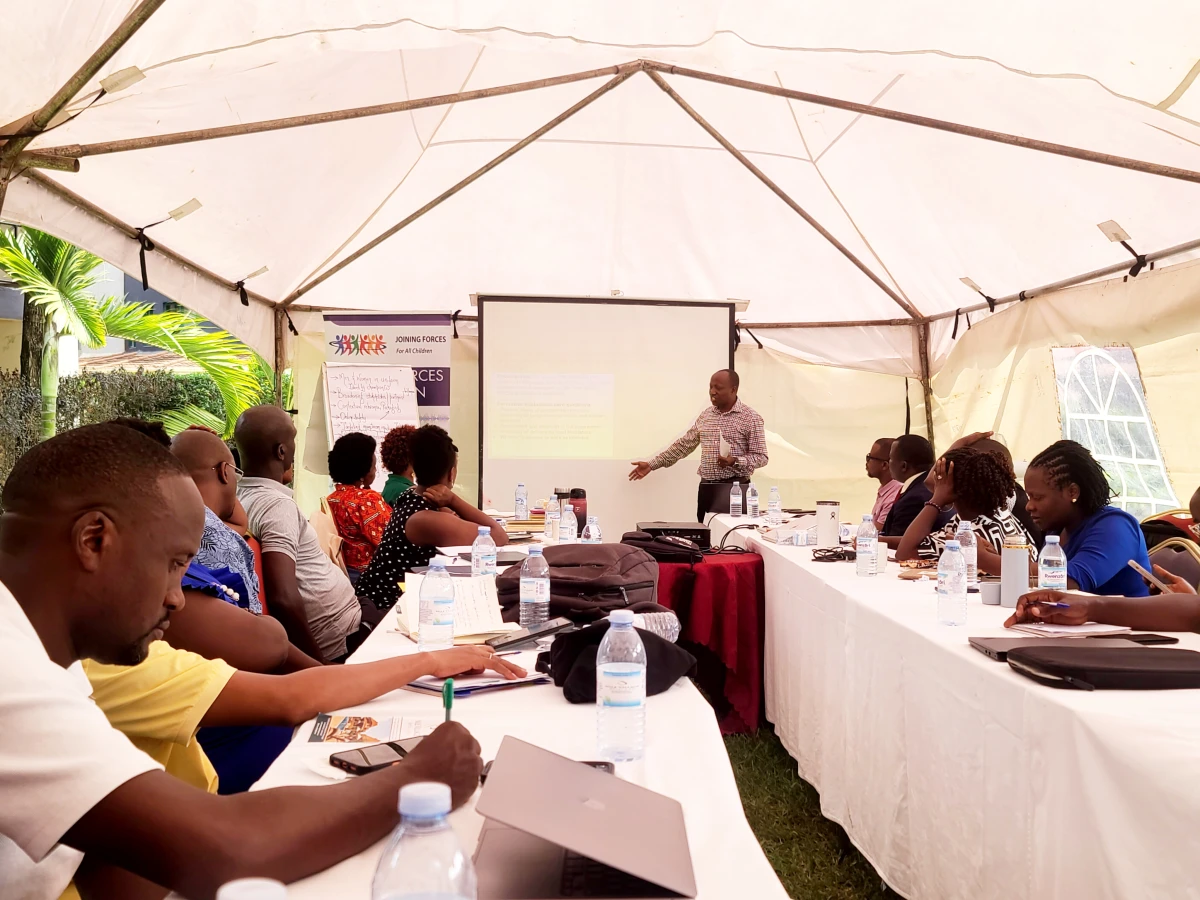
JINJA — Civil society organisations and child rights advocates have called for increased government financing to prevent and respond to sexual violence against children, warning that Uganda’s legal and policy commitments will have limited impact unless they are matched with adequate resources.
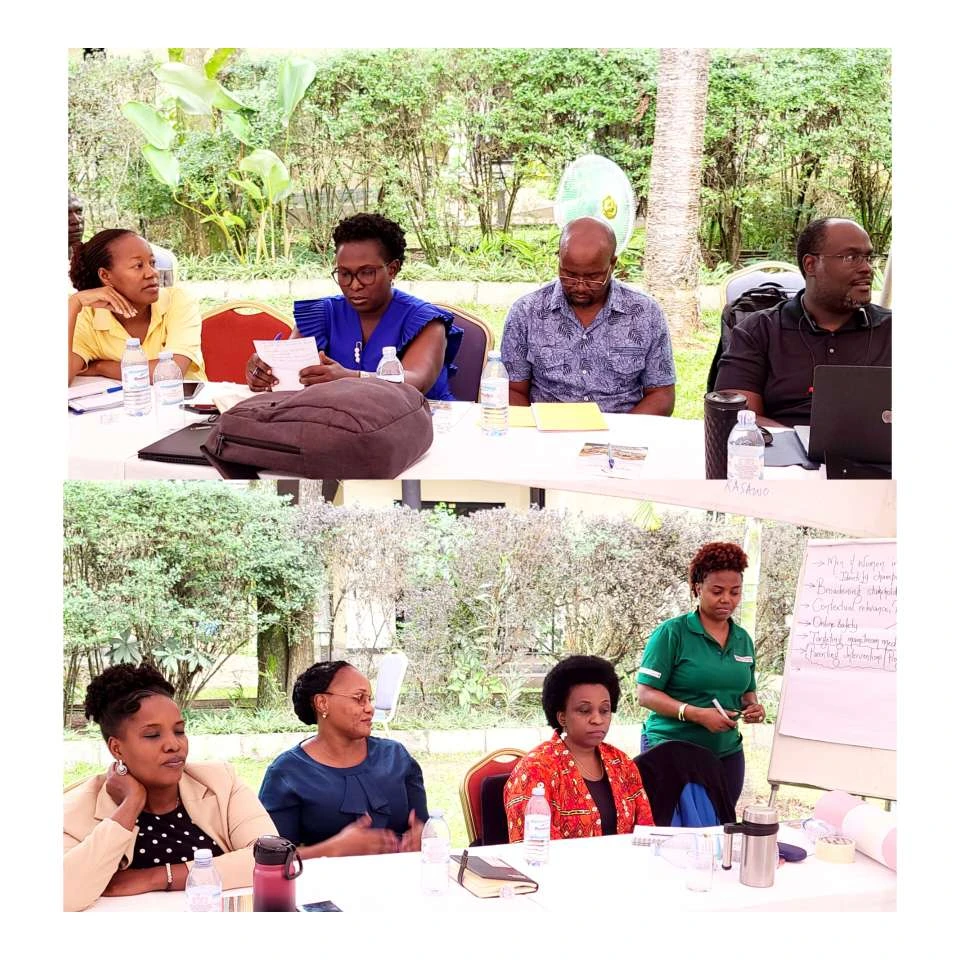
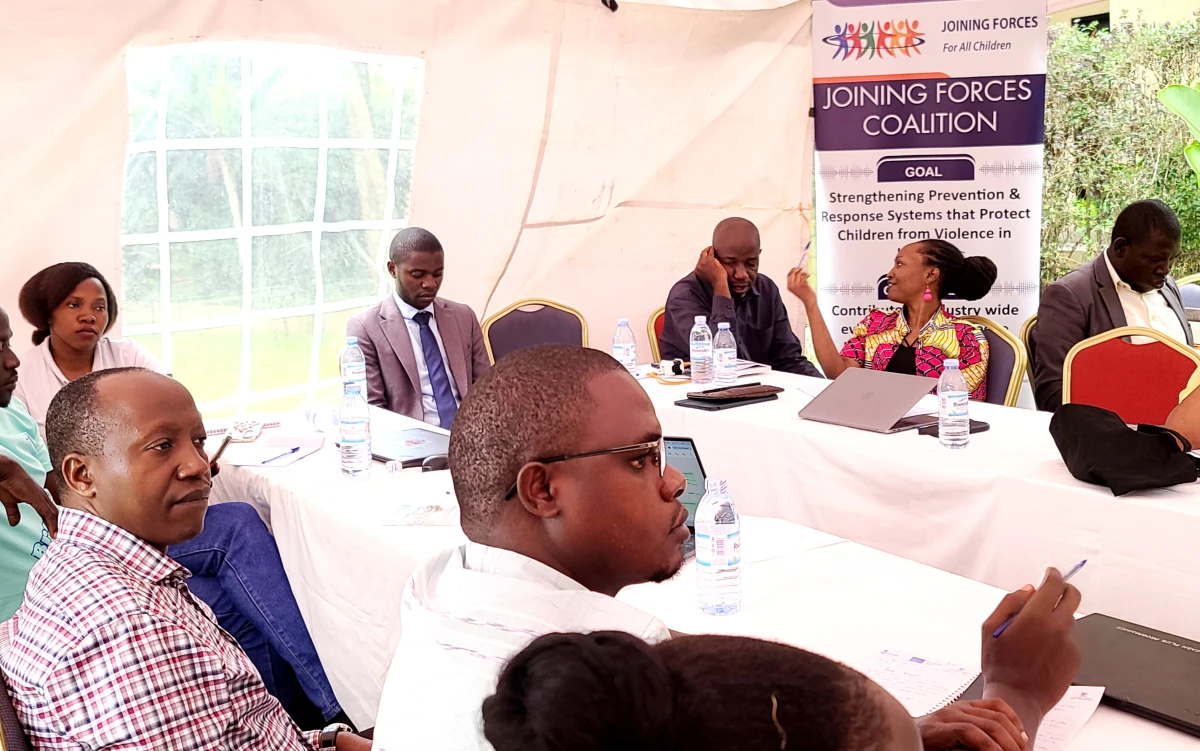
The call was made during a three day retreat in Jinja convened by World Vision Uganda in partnership with the Joining Forces Coalition, bringing together more than 30 stakeholders to strategise on how sexual violence against children (SVAC) can be prioritised in Uganda’s 2027/28 national budget.
The retreat brought together representatives of the Uganda Child Rights NGO Network (UCRNN), cultural institutions including the Busoga and Buganda kingdoms, government, civil society organisations, the Inter-Religious Council, economists and the Civil Society Budget Advocacy Group (CSBAG), Makerere University among other actors.
The meeting focused on what participants described as the urgent need to move beyond policies and commitments to actual implementation, financing and measurable action against sexual violence affecting children.
Activists want funding commitment
Opening the retreat, Ms Irene Kagoya, Associate Director for Advocacy at World Vision Uganda, said sexual violence against children remains a major concern globally and in Uganda despite efforts to address it.
She noted that available figures indicate some reduction in reported cases, but cautioned that the situation still requires sustained intervention and investment.
Kagoya said governments have a responsibility to establish policies and systems that protect children, but implementation remains a major challenge.
She cited research and previous assessments indicating gaps between commitments and actual action, arguing that stakeholders must now use evidence to push for stronger government investment.
“How do we shift from policy to implementation, strategies, funding allocation and also strengthen commitments?” Kagoya asked.
She said the forthcoming 2027/28 budget process presents an opportunity for child-rights actors to influence government priorities and ensure that resources are directed towards preventing and responding to SVAC.
Cultural institutions demand a place at the table
Dr Joyce Abaliwano, Minister for Gender and Children Affairs in the Busoga Kingdom, said cultural institutions must be fully involved in efforts to address violence against children because of their influence within communities.
She cautioned development partners against designing interventions without adequately understanding the cultural and social realities of communities.
“We need to know what is happening in the real world and have a balance between the numbers and what exactly is on the ground,” she said.
Dr Abaliwano said partnerships with churches and cultural institutions are important because of their influence, but urged stakeholders to also strengthen collaboration with the police and Uganda People's Defence Forces, which she said are sometimes left out of discussions despite their role in communities.
She cited an alleged case in Buyende District in which a girl was reportedly defiled by three men in uniform and subsequently faced challenges in obtaining justice.
According to Dr Abaliwano, the family raised concerns that evidence collected in the case was allegedly manipulated to protect the three suspects. She said she became involved in supporting the girl, including helping her return to school, but the child continued to experience psychological distress.
The allegation underscores the need, she said, for stronger accountability and coordination among institutions responsible for protecting children.
Busoga grapples with teenage pregnancy
Dr. Abaliwano also highlighted the continuing challenge of teenage pregnancy in the Busoga sub-region, saying it has wider consequences, including gender-based violence, defilement and disruption of children's education.
She linked some of the challenges to parenting gaps and called for stronger family-based interventions.
She said the Busoga Kingdom has been promoting programmes aimed at strengthening responsible parenting and positive family values, including “Omusadha N'empangho,” which emphasises the role of responsible fatherhood and family leadership.
She also raised concern over the growing influence of social media on children and challenged stakeholders to develop stronger responses to online risks.
Dr Abaliwano urged the media to play a greater role in educating communities while posing a difficult question about how government and other actors can effectively regulate harmful online content without undermining legitimate digital freedoms.
Government outlines response
Mr Emmanuel Omene, Principal Economist in the Planning Unit at the Ministry of Gender, Labour and Social Development, said government recognises sexual violence against children as a significant national concern requiring a coordinated response.
He said SVAC manifests in different forms and settings, including homes, schools, communities and institutions, and can have physical and psychological consequences for victims.
Omene said Uganda has established a comprehensive legal and policy framework to prevent and respond to sexual violence against children, but stressed that the entire protection system must work together.
“As actors, we look at the entire system and the entire ecosystem should be engaged,” he said.
He cited statistics showing the scale of the problem, saying one in three girls and one in six boys in Uganda have experienced sexual abuse.
He also said available data indicates that 44 percent of women and 39 percent of men aged 15–49 have experienced sexual violence since the age of 15, while 17 per cent of women and six per cent of men have ever experienced sexual violence.
Omene said emerging threats, particularly online sexual exploitation of children, require new strategies because technology is creating additional avenues through which children can be targeted.
He challenged stakeholders at the retreat to develop a thematic issues paper outlining specific interventions and recommendations that can be presented to government during the forthcoming budget process.
Stakeholders urged to target the budget
Omene said the government is preparing to disseminate information on the 2027/28 budget, providing an opportunity for civil society and other stakeholders to present proposals for consideration.
He explained that child related interventions are largely addressed under the Human Capital Development Programme, within which stakeholders can advocate for specific priorities.
He encouraged civil society organisations to align their proposals with existing government programmes instead of creating parallel interventions.
The ministry, he said, has also established mechanisms aimed at identifying and addressing financing gaps, including budget areas and profiles detailing the ministry's interventions.
Omene further called for the establishment of a technical working group bringing together relevant stakeholders to develop a coordinated issues paper ahead of the budget process.
From advocacy to accountability
The Jinja retreat comes at a time when stakeholders are increasingly calling for a shift from policy development to implementation and accountability.
Participants argued that Uganda has made progress in developing laws, policies and institutional structures to protect children, but persistent cases of sexual violence point to gaps in prevention, enforcement, funding, community awareness and access to justice.
The challenge now, they said, is to translate the concerns raised by communities and evidence generated by researchers into specific budget proposals that government can finance and implement.
For civil society, the 2027/28 budget therefore presents a critical opportunity to move SVAC from broad policy commitments to clearly funded programmes with measurable outcomes.
The stakeholders are expected to use the retreat's deliberations to develop a roadmap for influencing government resource allocation while strengthening collaboration among civil society, government, cultural and religious institutions and the media.
The ultimate test, participants said, will be whether the next budget provides sufficient resources to prevent sexual violence, protect children, strengthen response systems and ensure that survivors can access justice and support.

Benjamin Mwibo is a talented, passionate and creative journalist with a commitment to high quality out put that is factual and researched. Above all Dedicated with a strong desire to identify the truth of the matter.










Comments (0)