
Bugisu Spokesperson Alleges Mayatsa and Washaki Are Ineligible for Bukuka Over Their Mothers' Origins
The spokesperson of the Bugisu Cultural Institution, Hon. Steven Masiga, has questioned the eligibility of some individuals reportedly interested in the Bukuka leadership, arguing that they do not meet what he described as traditional Bamasaba cultural standards. Speaking to The Nile Chronicles, Masiga singled out Ahamada Washaki and Joram Khambo Mayatsa, claiming that their backgrounds raise questions about their suitability for the cultural office. According to Masiga, Washaki spent much of his childhood in Buganda, around the Kayunga/Bugerere area, and is alleged to have undergone the traditional Bamasaba circumcision ritual outside Bugisu. He argued that, under conservative cultural beliefs held by some elders, a man who was circumcised outside Bugisu would not ordinarily be considered eligible to become Umukuuka. Masiga also claimed that Joram Khambo Mayatsa grew up in Butaleja with his mother before later returning to Bugisu. He further alleged that the maternal backgrounds of some aspirants have become a subject of discussion among sections of Bamasaba elders. He said some traditional leaders believe that the mother of a prospective Umukuuka should also be a Mumasaba, arguing that this would help preserve and safeguard Bamasaba cultural values and traditions. According to Masiga, some elders fear that leaders with maternal roots outside the community could introduce cultural practices that are not traditionally associated with the Bamasaba. To illustrate his point, Masiga referred to a recent public discussion involving a prominent Member of Parliament from Bugisu who reportedly stated that his mother underwent female genital mutilation, a practice Masiga said is not part of Bamasaba culture. He argued that such examples have reinforced concerns among some cultural elders about preserving the identity and customs of the Bamasaba community. Masiga further maintained that the law governing the Bugisu Cultural Institution requires a person aspiring to become Bukuka to have been born within the community. He also claimed that some individuals challenging the current cultural leadership were born outside Bugisu and therefore do not satisfy what he described as the institution's cultural and legal requirements. "The issue of cultural leadership, if conservatively followed, would automatically lock out many of those fighting the current legitimate leadership," Masiga said. He added that those seeking the office should openly disclose their family backgrounds, including the origins of their mothers, to enable the Bamasaba community to make informed decisions. He contrasted their backgrounds with those of other members of the community whom he said were born and raised in Bugisu by Bamasaba parents. Masiga's remarks come amid continuing debate over the leadership of the Bugisu Cultural Institution, with different factions expressing divergent views on the qualifications, legitimacy and future direction of the institution. His comments are likely to generate further discussion among cultural leaders, elders and members of the Bamasaba community regarding the interpretation of customary practices and the legal requirements governing succession to the office of Bukuka. The individuals mentioned by Masiga had not publicly responded to his remarks at the time of publication.
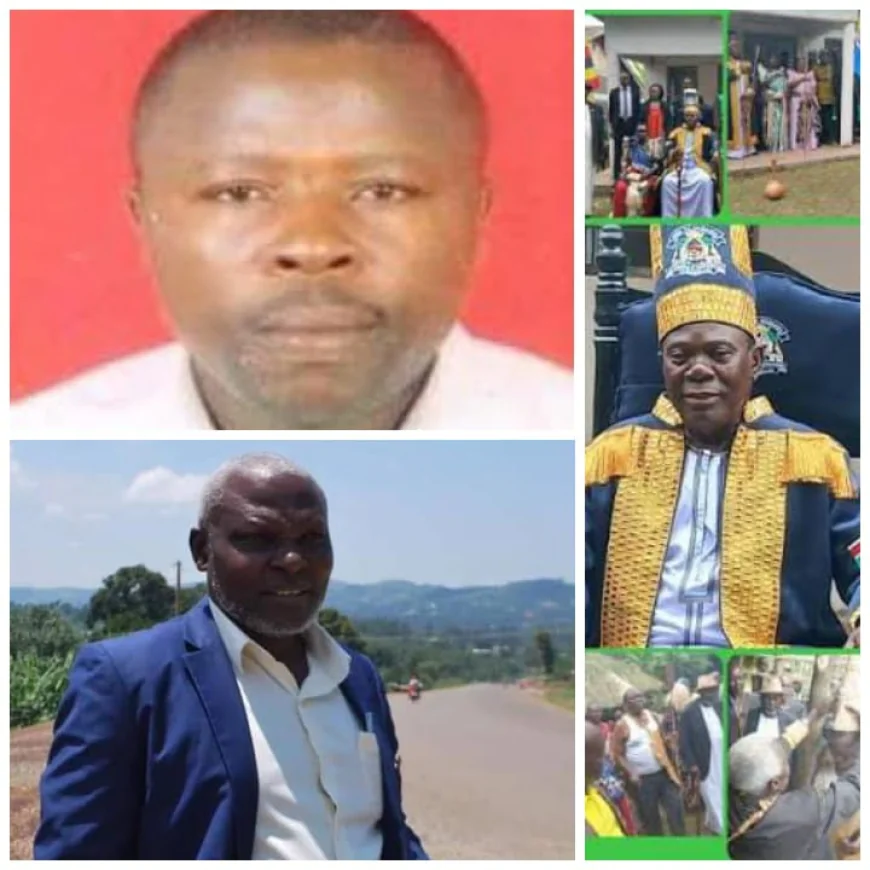
MBALE – The spokesperson of the Bugisu Cultural Institution, Hon. Steven Masiga, has questioned the eligibility of some individuals reportedly interested in the Bukuka leadership, arguing that they do not meet what he described as traditional Bamasaba cultural standards.
Speaking to The Nile Chronicles, Masiga singled out Ahamada Washaki and Joram Khambo Mayatsa, claiming that their backgrounds raise questions about their suitability for the cultural office.
According to Masiga, Washaki spent much of his childhood in Buganda, around the Kayunga/Bugerere area, and is alleged to have undergone the traditional Bamasaba circumcision ritual outside Bugisu. He argued that, under conservative cultural beliefs held by some elders, a man who was circumcised outside Bugisu would not ordinarily be considered eligible to become Umukuuka.
Masiga also claimed that Joram Khambo Mayatsa grew up in Butaleja with his mother before later returning to Bugisu. He further alleged that the maternal backgrounds of some aspirants have become a subject of discussion among sections of Bamasaba elders.
He said some traditional leaders believe that the mother of a prospective Umukuuka should also be a Mumasaba, arguing that this would help preserve and safeguard Bamasaba cultural values and traditions. According to Masiga, some elders fear that leaders with maternal roots outside the community could introduce cultural practices that are not traditionally associated with the Bamasaba.
To illustrate his point, Masiga referred to a recent public discussion involving a prominent Member of Parliament from Bugisu who reportedly stated that his mother underwent female genital mutilation, a practice Masiga said is not part of Bamasaba culture. He argued that such examples have reinforced concerns among some cultural elders about preserving the identity and customs of the Bamasaba community.
Masiga further maintained that the law governing the Bugisu Cultural Institution requires a person aspiring to become Bukuka to have been born within the community. He also claimed that some individuals challenging the current cultural leadership were born outside Bugisu and therefore do not satisfy what he described as the institution's cultural and legal requirements.
"The issue of cultural leadership, if conservatively followed, would automatically lock out many of those fighting the current legitimate leadership," Masiga said. He added that those seeking the office should openly disclose their family backgrounds, including the origins of their mothers, to enable the Bamasaba community to make informed decisions.
He contrasted their backgrounds with those of other members of the community whom he said were born and raised in Bugisu by Bamasaba parents.
Masiga's remarks come amid continuing debate over the leadership of the Bugisu Cultural Institution, with different factions expressing divergent views on the qualifications, legitimacy and future direction of the institution. His comments are likely to generate further discussion among cultural leaders, elders and members of the Bamasaba community regarding the interpretation of customary practices and the legal requirements governing succession to the office of Bukuka.
The individuals mentioned by Masiga had not publicly responded to his remarks at the time of publication.

John Kusolo is a Pastor, Sports Enthusiast and Ugandan journalist with Nile Chronicles News (NCN). With a strong commitment to journalistic excellence, he is recognized for his dedication, goal-oriented approach, and ability to thrive in challenging environments. Kusolo brings focused motivation and professionalism to his reporting and media assignments.



Comments (0)