
Self-Reflection, Not Blame, Is the Path to Bugisu's Progress, Says Dr. Watulatsu
In a reflective opinion shared with members of the community, Dr. Watulatsu drew inspiration from a quote often attributed to the 13th-century Persian poet Rumi: "Yesterday I was intelligent, I wanted to change the world. Today I am wise, I am changing myself."
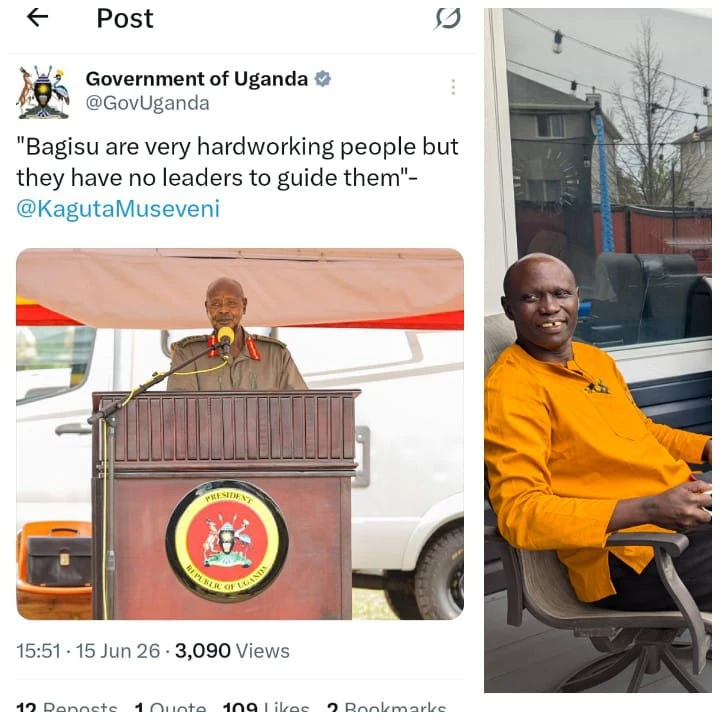
MBALE, Uganda – Development scholar Dr. Samuel W. Watulatsu has urged the Bamasaaba community to embrace personal transformation as the starting point for addressing the social, cultural, economic and political challenges affecting Bugisu, arguing that lasting change cannot be achieved without individual responsibility.
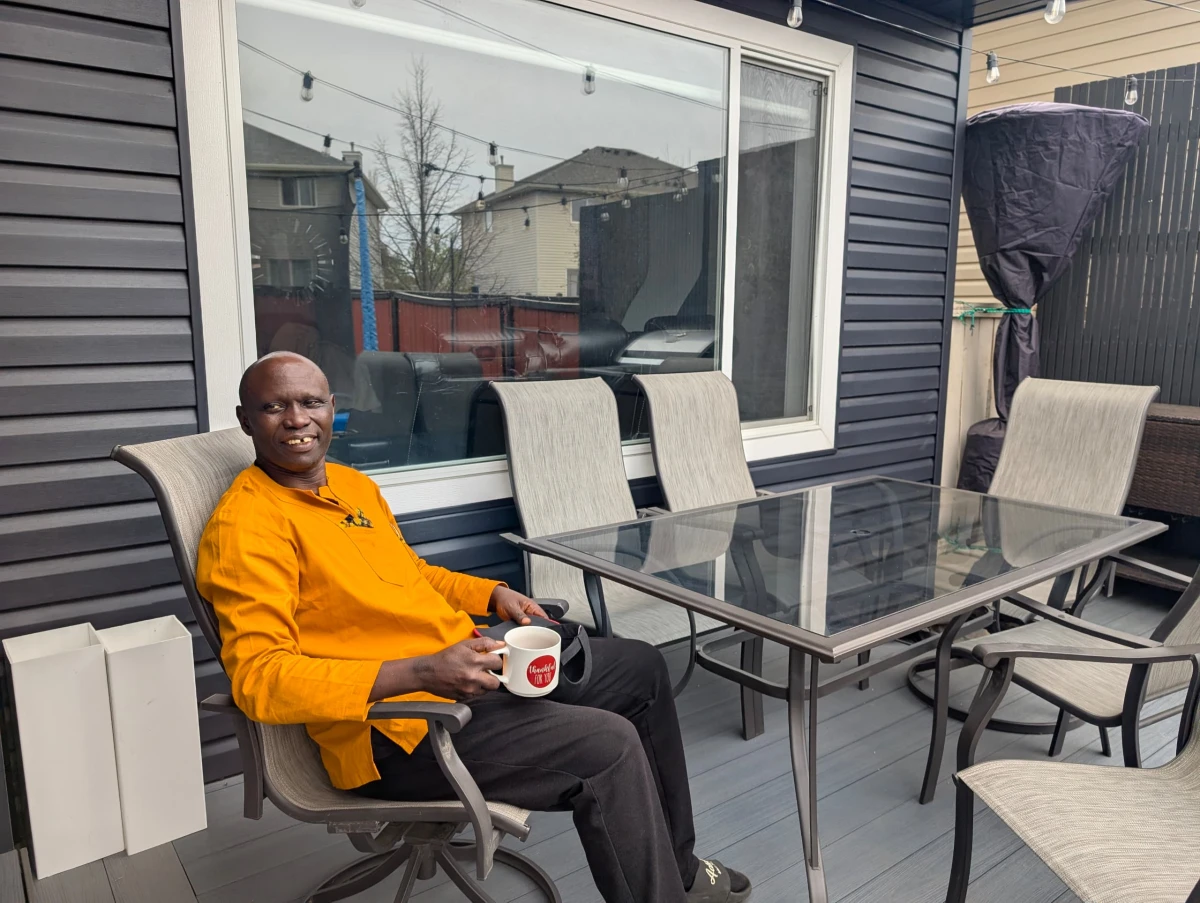
In a reflective opinion shared with members of the community, Dr. Watulatsu drew inspiration from a quote often attributed to the 13th-century Persian poet Rumi:
"Yesterday I was intelligent, I wanted to change the world. Today I am wise, I am changing myself."
According to Dr. Watulatsu, the quotation provides an important lesson for the Bamasaaba people at a time when public debate has largely focused on criticizing others while paying little attention to personal conduct and responsibility.
Reflecting on the President's Remarks
Dr. Watulatsu said the Bamasaaba should carefully reflect on recent remarks by President Yoweri Kaguta Museveni, in which he described the community as "natives." While many have reacted emotionally or politically to the President's comments, he believes the more important issue is understanding the deeper message behind the statement.
He expressed concern that political, cultural, religious, civic and opinion leaders have not sufficiently engaged the public on what he considers to be the broader implications of the President's observations.
Rather than focusing solely on criticism, Dr. Watulatsu challenged the community to ask difficult questions about the current state of Bugisu and the factors contributing to its social and cultural difficulties.
Individual Change Before Collective Change
At the centre of his argument is the belief that sustainable social transformation begins with individuals rather than institutions.
He noted that intelligence often motivates people to identify faults in others and attempt to reform society from the outside, while wisdom requires individuals to first examine and improve themselves.
Dr. Watulatsu argues that this inward transformation has a ripple effect throughout society.
"When I change, my family changes. When families change, clans change. When clans change, Masaabaland changes," he observed.
In his view, communities become stronger when individuals adopt values such as honesty, responsibility and integrity in their daily lives.
Challenges Facing the Bamasaaba
Dr. Watulatsu believes the Bamasaaba community is grappling with numerous interconnected challenges, including social division, political intrigue, economic greed and what he describes as cultural corruption.
He argues that these problems have weakened community cohesion and distracted society from the values that historically defined the Bamasaaba people.
According to him, public discourse has increasingly become dominated by blame, accusations and criticism instead of constructive self-reflection.
He suggests that while many people condemn corruption, manipulation and selfishness in others, genuine progress will only be achieved when individuals hold themselves to the same standards they expect from society.
Integrity as the Path to Cultural Renewal
Dr. Watulatsu emphasizes that restoring the dignity of Bamasaaba culture requires more than public declarations of unity.
He argues that calls for "One People, One Culture" must be supported by personal commitment to ethical conduct.
He urges individuals to reject practices that fuel community divisions, including bribery, exploitation, misinformation and actions driven by selfish interests.
In his view, cultural renewal begins when people consciously choose honesty over corruption, service over self-interest, truth over gossip and unity over division.
He also calls upon elders to provide moral leadership while encouraging young people to embrace responsibility instead of contributing to social conflict.
A Call for Collective Responsibility
While acknowledging the important role of political, religious, cultural and civic leaders, Dr. Watulatsu stresses that the responsibility for transforming Bugisu cannot rest solely with institutions or leadership.
Instead, he believes every member of society has a role to play in rebuilding trust, strengthening families and restoring the moral foundations of the community.
He argues that meaningful development is not achieved through speeches or criticism alone but through consistent individual actions that gradually influence families, clans and the wider society.
For Dr. Watulatsu, lasting social change is ultimately built from the ground up—beginning with personal integrity and extending outward to transform the entire community.
His message serves as a reminder that while leadership and institutions remain important, the future of Bugisu will largely depend on the willingness of individual Bamasaaba to embody the values they wish to see reflected in their society.

John Kusolo is a Pastor, Sports Enthusiast and Ugandan journalist with Nile Chronicles News (NCN). With a strong commitment to journalistic excellence, he is recognized for his dedication, goal-oriented approach, and ability to thrive in challenging environments. Kusolo brings focused motivation and professionalism to his reporting and media assignments.









Comments (0)