
Jjagwe Sounds Alarm Over Federations’ Licensing, Funding Allocations
Jjagwe says the two issues require immediate intervention if Uganda is to maintain momentum in sports development and enable national federations to effectively implement their programmes.
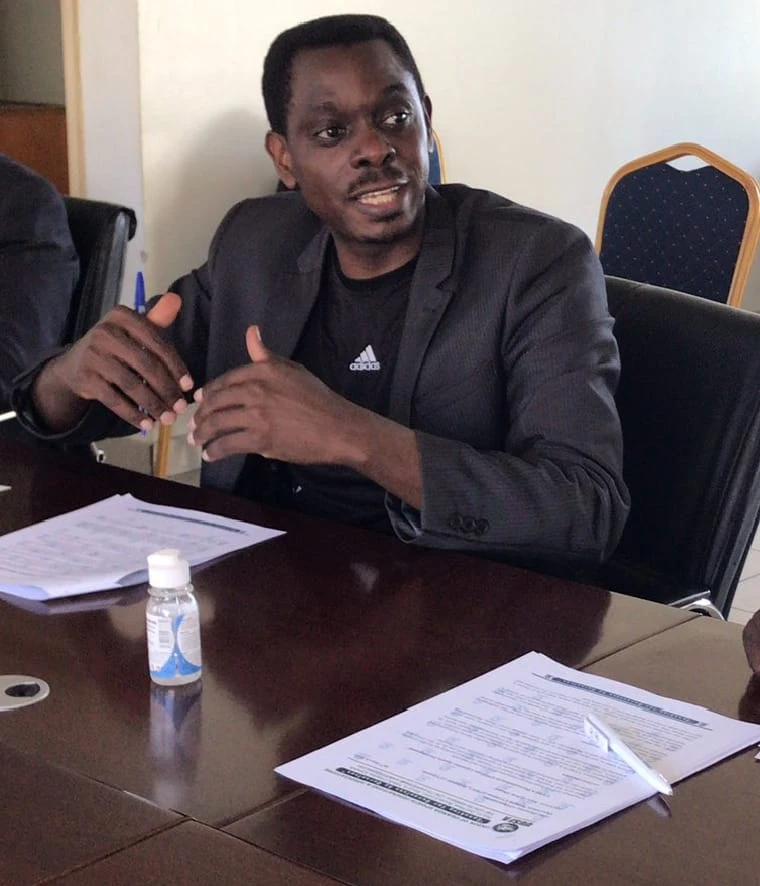
Uganda Olympic Committee (UOC) Executive Committee Member Robert Jjagwe has called on the National Council of Sports, chaired by Ambrose Tashobya, the NCS Board, to urgently address concerns surrounding the licensing of national sports federations and disparities in government funding.
Jjagwe says the two issues require immediate attention to enable sports federations to effectively implement their programmes and support Uganda’s broader ambitions in sports development.
In an appeal to Tashobya and the entire NCS Board, Jjagwe expressed concern that several federations remain uncertain about their operational status, with some reportedly still waiting for confirmation on whether they have been licensed to operate.
He said the uncertainty is coming at a critical time when federations are expected to implement programmes for the current financial year while also meeting accountability requirements attached to government funding.
Federations 'kept on ice'
Jjagwe described the licensing delays as detrimental to sports development, arguing that federations cannot confidently plan and execute activities when their legal and operational status remains unclear.
He noted that Uganda had entered the third and final month of the first quarter of the financial year, yet some federations had reportedly not accessed funding due to unresolved licensing issues.
According to Jjagwe, funding for two quarters of the financial year had already been released, raising concerns over whether affected federations will have sufficient time to utilise the resources and meet subsequent accountability deadlines.
He said the situation had effectively left some federations “on ice” and unable to comfortably undertake planned activities.
“The federations need to start doing activities,” Jjagwe said, urging the NCS leadership to resolve the licensing question without further delay.
Funding disparities questioned
Jjagwe also questioned the manner in which government funding has been distributed among national sports federations.
He pointed to what he described as significant disparities, with some federations receiving allocations running into billions of shillings while others reportedly receive only hundreds of millions.
He questioned the criteria used to determine the allocations, arguing that the basis for the differences is not sufficiently clear or publicly understood.
Jjagwe warned that such disparities could create an uneven environment in which better-funded federations have greater capacity to organise competitions, develop athletes, acquire equipment and strengthen their administrative structures.
New Sports Act adds pressure
The UOC official further linked the funding concerns to obligations under Uganda’s new Sports Act, particularly requirements for federations to establish and maintain functional secretariats.
He argued that for some federations, their allocations may barely cover secretariat operations, leaving limited resources for athlete development, coaching, competitions, equipment, grassroots programmes and international participation.
Jjagwe therefore called for a more equitable and transparent funding framework that considers the different operational and developmental needs of each federation.
Call for urgent action
Jjagwe’s intervention highlights the importance of timely licensing, predictable funding and transparent resource allocation in Uganda’s sports sector.
He urged the NCS Board to provide clarity to federations that have fulfilled licensing requirements and ensure they can commence their programmes without further administrative uncertainty.
He also called for a review of funding allocations to ensure that national federations have realistic opportunities to develop their respective sporting disciplines.
As Uganda seeks stronger performances at continental and international competitions, Jjagwe argues that a stable regulatory environment and adequate resources will be essential to identifying, nurturing and preparing athletes for success.

John Kusolo is a Pastor, Sports Enthusiast and Ugandan journalist with Nile Chronicles News (NCN). With a strong commitment to journalistic excellence, he is recognized for his dedication, goal-oriented approach, and ability to thrive in challenging environments. Kusolo brings focused motivation and professionalism to his reporting and media assignments.



Comments (0)