
Hon. Amb. Nekesa Hails PDM Impact as Busia Beneficiaries Share Stories of Household Transformation
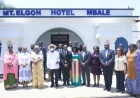
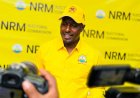
The beneficiaries made the testimonies during an engagement with National Resistance Movement (NRM) National Treasurer Hon. Ambassador Barbara Nekesa Oundo, who was in Busia as part of a monitoring and orientation tour aimed at assessing the implementation and impact of PDM activities at the grassroots.
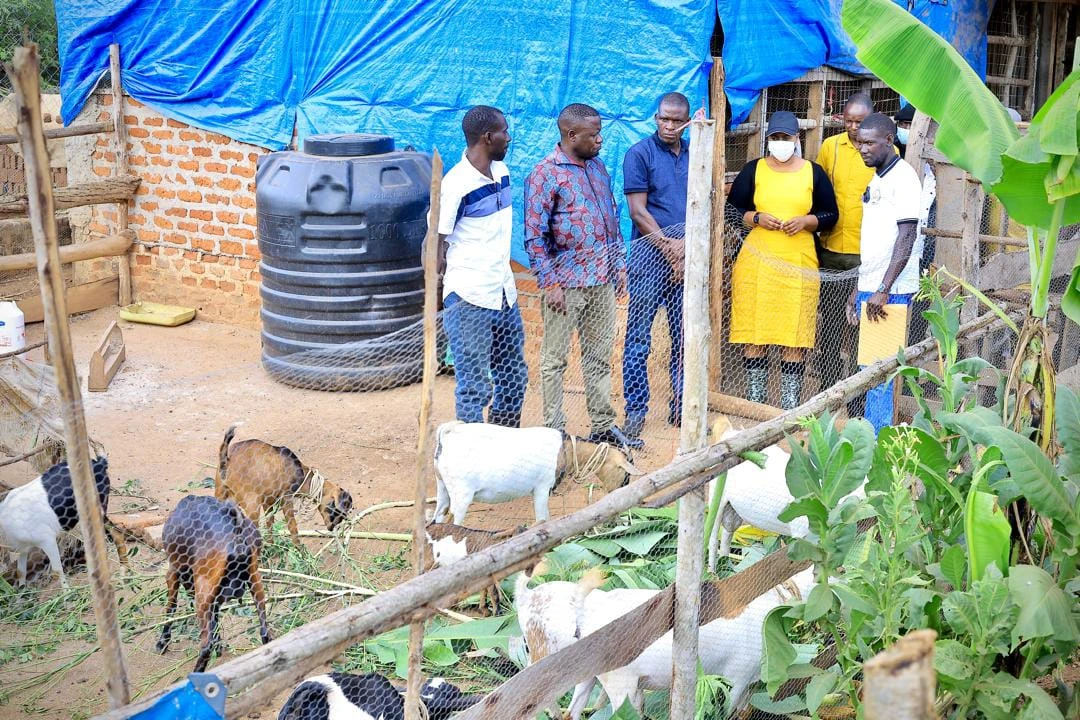
BUSIA, Uganda — Hundreds of beneficiaries of the Parish Development Model (PDM) in Busia District have expressed appreciation for the government’s poverty eradication programme, sharing accounts of how access to revolving funds has helped them expand businesses, increase household incomes and improve their livelihoods.
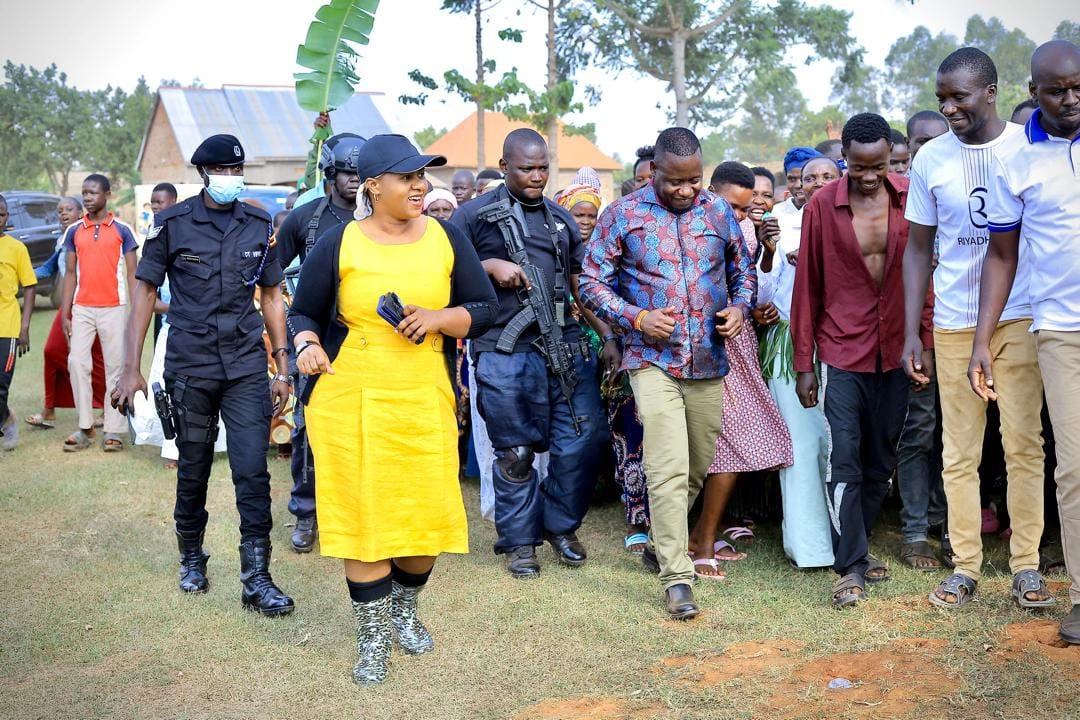
The beneficiaries made the testimonies during an engagement with National Resistance Movement (NRM) National Treasurer Hon. Ambassador Barbara Nekesa Oundo, who was in Busia as part of a monitoring and orientation tour aimed at assessing the implementation and impact of PDM activities at the grassroots.
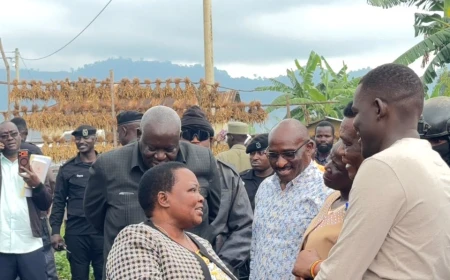
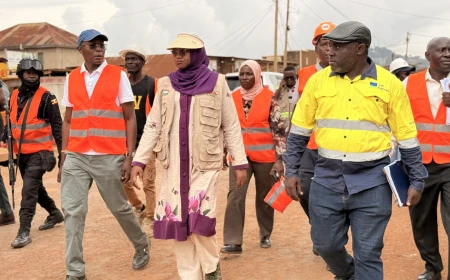
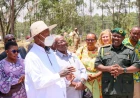
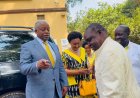
Nekesa used the tour to inspect PDM-supported enterprises, interact directly with beneficiaries and assess how the funds are being utilised. She also provided guidance on responsible management of the money, urging beneficiaries to regard the funds as capital for wealth creation rather than income for immediate consumption.
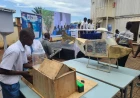
During the engagements, beneficiaries, particularly women and youth involved in livestock rearing, crop production, small-scale trading and other enterprises, narrated how the programme had provided them with opportunities to invest in productive activities.
Several beneficiaries said the revolving funds had enabled them to expand their enterprises, increase production and strengthen their household incomes. Others pointed to improved financial discipline and a growing appreciation of the need to invest in sustainable income-generating activities.
One of the beneficiaries attributed the progress to President Yoweri Kaguta Museveni’s emphasis on household-level wealth creation through government programmes.
“We are seeing real change in our homes because of the guidance and support from the President through PDM,” the beneficiary said during the interaction.
The testimonies formed a central part of Nekesa’s engagements, as she sought to understand both the successes and challenges experienced by beneficiaries since receiving PDM support.
Nekesa urges beneficiaries to invest wisely
Addressing the gatherings, Nekesa emphasised that the primary objective of PDM is to help households transition from subsistence production into the money economy.
She cautioned beneficiaries against using the funds for non-productive expenditures, including luxury purchases, warning that such practices could undermine the sustainability of the programme and prevent households from building lasting sources of income.
“These funds are meant to fight poverty in our homes, not to buy things that do not grow wealth,” Nekesa told the beneficiaries.
She encouraged beneficiaries to put the money into enterprises capable of generating continuous returns, saying disciplined investment would allow individuals and households to expand their businesses and gradually improve their standards of living.
According to Nekesa, beneficiaries must look at the PDM funds as an opportunity to establish or strengthen enterprises rather than as free money to be spent.
She also emphasised the importance of proper record-keeping, financial discipline and collective responsibility among members of parish-level groups.
Focus on productive enterprises
The NRM National Treasurer's tour placed particular emphasis on the need for beneficiaries to select enterprises that match their local economic opportunities.
In the Samia Bugwe area, Nekesa inspected a number of ongoing projects and held discussions with beneficiaries about their experiences and challenges.
Among the issues raised during the interactions were market access, post-harvest handling and the need for continued technical support to improve productivity and profitability.
The engagements provided an opportunity for beneficiaries to explain some of the difficulties they face in turning their investments into sustainable businesses.
Nekesa stressed that successful implementation of PDM requires more than simply disbursing funds. She said beneficiaries must be properly oriented, supported to make sound investment decisions and encouraged to maintain accountability for the resources entrusted to them.
Women and youth among beneficiaries
Women and young people featured prominently among the beneficiaries who shared their experiences during Nekesa’s visit.
Many are engaged in small livestock projects, crop production and trading activities, enterprises that provide them with opportunities to generate income while supporting their families.
The beneficiaries said the availability of PDM financing had enabled them to access capital that would otherwise have been difficult to obtain.
For some households, the funds have provided an opportunity to increase the scale of existing enterprises, while others have used the money to establish new income-generating activities.
Their experiences, according to the NRM leadership, demonstrate the importance of directing government resources to the grassroots and ensuring that ordinary households have access to productive capital.
Accountability remains critical
Nekesa also used the monitoring exercise to reinforce the importance of accountability in the implementation of PDM.
She called on beneficiaries and local leaders to ensure that funds are used for the purposes for which they were provided and that enterprises are properly managed.
She further encouraged beneficiaries to keep records of their investments, sales, expenses and profits so that they can track the performance of their businesses and make informed decisions.
The emphasis on accountability comes as government continues to promote PDM as one of the major interventions aimed at moving Ugandan households from subsistence production into the cash economy.
Nekesa pledged continued follow-up on the supported projects to identify challenges, promote successful practices and encourage beneficiaries to remain focused on the objectives of the programme.
Political support for PDM
The beneficiaries repeatedly linked their experiences to President Museveni’s political commitment to household wealth creation and poverty reduction.
PDM is one of the government programmes through which the administration seeks to address household poverty by supporting communities to participate in productive economic activities.
During the Busia engagements, beneficiaries expressed gratitude to the President for supporting the programme, while also acknowledging the importance of using the funds responsibly.
Nekesa similarly urged beneficiaries to translate the government’s financial support into tangible improvements in household incomes.
She argued that the long-term success of PDM would depend largely on whether beneficiaries treat the money as investment capital capable of generating additional income.
A model for grassroots economic transformation
Local leaders and technical officers accompanying Nekesa during the tour reported steady uptake of PDM in Busia District, with several groups already recording returns from their investments.
The experiences shared by beneficiaries also highlighted the potential of organised community financing to strengthen household enterprises when combined with proper guidance, accountability and market opportunities.
For beneficiaries involved in agriculture, access to markets remains particularly important because increased production must be accompanied by reliable avenues for selling products at profitable prices.
Similarly, proper post-harvest handling is critical for farmers seeking to minimise losses and increase the value of their produce.
The challenges discussed during the tour therefore provided an opportunity for local stakeholders to identify areas requiring additional intervention.
Call for disciplined use of government programmes
As she concluded her engagements in Busia, Nekesa reiterated the need for beneficiaries to maintain discipline and focus on the objectives of PDM.
She urged them to resist the temptation to divert the funds into short-term consumption and instead concentrate on enterprises capable of generating sustainable returns.
The NRM National Treasurer said the transformation of individual households would ultimately contribute to broader economic development at community level.
The stories shared by beneficiaries during the tour provided a grassroots perspective on the impact of PDM, with many describing the programme as an important source of capital for small-scale enterprises.
For the beneficiaries who interacted with Nekesa, the central message was the need to combine government support with responsible investment, accountability and determination to grow household incomes.
The Busia experience also underscored the importance of continued monitoring and orientation to ensure that government programmes achieve their intended objectives.
As beneficiaries continue investing in agriculture, livestock, trade and other enterprises, the sustainability of the gains will depend on their ability to manage the funds prudently, access markets and reinvest profits into their businesses.
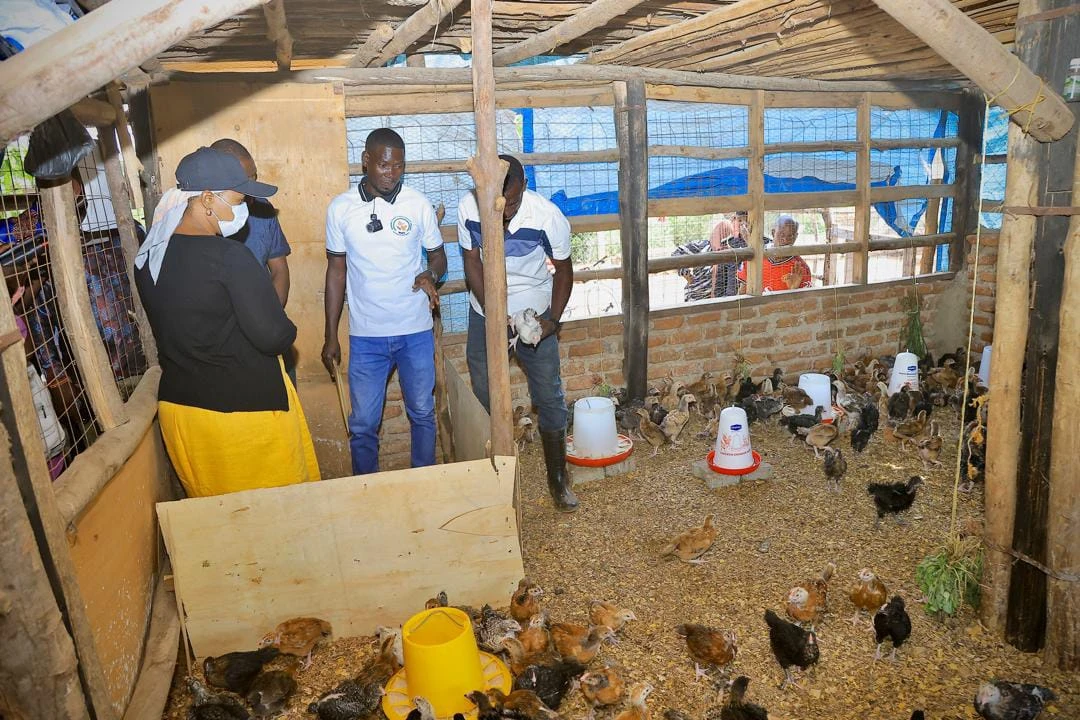
For Nekesa, the ultimate measure of PDM success is not simply the number of households that receive funds, but the extent to which those households are able to use the resources to build productive enterprises, increase incomes and permanently move away from subsistence living.

John Kusolo is a Pastor, Sports Enthusiast and Ugandan journalist with Nile Chronicles News (NCN). With a strong commitment to journalistic excellence, he is recognized for his dedication, goal-oriented approach, and ability to thrive in challenging environments. Kusolo brings focused motivation and professionalism to his reporting and media assignments.





Comments (0)