
President Museveni Urges Ugandans to Expose Corruption, Backs Barugahara and Nameere Barazas
In a message addressed to Ugandans, particularly the “Bazzukulu,” President Museveni dismissed concerns that the ministers could “Kutomera” — acting blindly or stumbling upon issues without sufficient preparation — during their inspection tours.
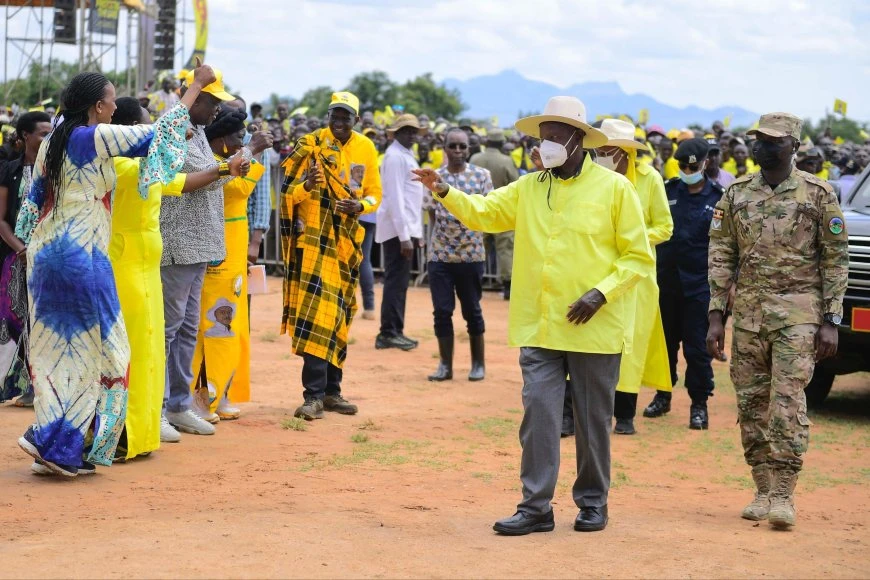
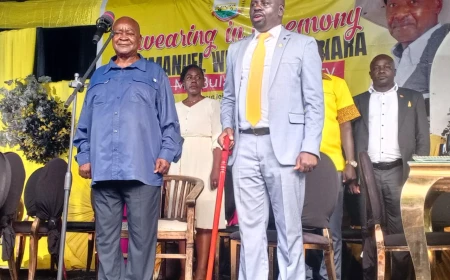
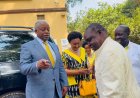
KAMPALA, UGANDA — President Yoweri Kaguta Museveni has backed the ongoing field inspection tours by Minister of State for Local Government Balaam Barugahara and State Minister for Local Government Justine Nameere, saying direct engagement with citizens could help expose corruption that has persisted in government programmes and local institutions.
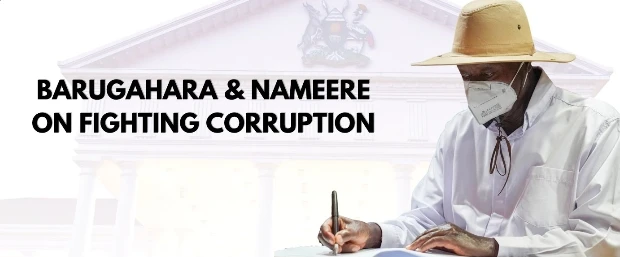
In a message addressed to Ugandans, particularly the “Bazzukulu,” President Museveni dismissed concerns that the ministers be “Kutomera” — acting blindly or stumbling upon issues without sufficient preparation — during their inspection tours.
Museveni argued that the widespread nature of corruption and the growing number of complaints from citizens make such field interventions necessary.
He said he had personally encountered numerous complaints about corruption during the recent campaigns, including allegations surrounding the Parish Development Model (PDM), which at times forced him to interrupt his campaign activities to address concerns raised by citizens.
“It is on account of the impunity and frequency of the corruption occurrences and the unaccountable actors,” Museveni said, explaining why he believes the ministers' field visits are justified.
Complaints over Government Jobs and Ghost Workers
The President cited several examples of corruption allegations that have reached his attention, including claims that government jobs in the Bunyoro region were being sold.
He also referred to reports concerning alleged “ghosts” of learners and teachers in government schools, as well as irregularities involving government health centres.
According to Museveni, such complaints demonstrate the need for officials to move beyond offices and directly engage citizens in communities where government programmes are being implemented.
He maintained that the challenge is no longer simply identifying corruption allegations, but ensuring that credible evidence is assessed and those found responsible are prosecuted.
Museveni Wants Faster Prosecution of Corruption Cases
The President called for the Directorate of Public Prosecutions (DPP) to have a dedicated officer capable of quickly assessing the evidence being generated from corruption complaints.
He argued that large amounts of information and evidence concerning alleged corruption exist but can fail to translate into prosecutions if they are not promptly evaluated by the relevant authorities.
Museveni's comments therefore place emphasis on the entire chain of accountability — from citizens reporting suspected corruption, to government officials investigating allegations, and finally prosecutors taking appropriate legal action where sufficient evidence exists.
Cover-Ups Blamed for Sustaining Corruption
Museveni identified what he described as two major problems in Uganda's fight against corruption: the alleged cover-up by officials responsible for protecting national interests and the failure by some members of the elite to report wrongdoing despite having access to decision-making centres.
He argued that corruption becomes difficult to defeat when officials who should act against it instead shield those involved.
The President consequently praised Barugahara and Nameere for taking their activities directly to the people through Barazas, or public gatherings.
According to Museveni, the approach allows government officials to bypass what he described as a “blockade” created by elements within the elite who may prevent citizens' complaints from reaching the authorities.
Museveni Cites Byamukama as an Example
The President also singled out Hon. Byamukama as an example of what he considers patriotic conduct by members of the elite.
Museveni said Byamukama had previously brought to his attention allegations involving extortionists operating around State House.
According to the President, the information enabled authorities to set a trap that resulted in the arrest of the suspects.
Museveni used the incident to argue that corruption can be stopped when individuals with information choose to report rather than remain silent.
“This corruption in Uganda is stoppable,” he said.
He urged government officials not to cover up corruption and encouraged citizens with information to report suspected wrongdoing.
Earlier Follow-Up Efforts
Museveni further revealed that he had previously directed former Local Government Minister Raphael Magyezi to follow up on corruption complaints brought to his attention by citizens.
Although Magyezi visited some of the areas where complaints had been reported, Museveni said decisive action did not appear to have followed in all cases.
He contrasted that experience with what he described as the enthusiasm generated by the current field engagements of Barugahara and Nameere.
The President said the large public turnouts witnessed during the ministers' Barazas reminded him of the early days of the National Resistance Movement (NRM), when citizens voluntarily attended public meetings in large numbers.
He noted that in those days, large crowds would attend meetings without requiring organisers to provide refreshments or other incentives.
A Call for Citizens to Speak Out
Museveni's message places citizens at the centre of Uganda's anti-corruption efforts.
His position is that government cannot effectively fight corruption if citizens who witness wrongdoing remain silent, while officials entrusted with protecting public resources fail to act.
He therefore called on government officers to reject cover-ups and urged citizens to report corruption through the appropriate channels.
The President's endorsement of the field inspection approach also signals an increased emphasis on taking accountability mechanisms closer to communities, particularly where government programmes such as PDM, education and health services are being implemented.
The effectiveness of this approach, however, will ultimately depend on whether complaints gathered during the Barazas are subjected to proper investigation, whether evidence is preserved and assessed, and whether suspects are taken through due process where sufficient evidence supports prosecution.
Museveni's message thus presents the fight against corruption as a shared responsibility involving political leaders, government officials, prosecutors and ordinary citizens.
“Do not cover-up if you are a Government officer and report if you are a citizen,” Museveni said.
Salutations,
Yoweri K. Museveni
Ssaabalwanyi

John Kusolo is a Pastor, Sports Enthusiast and Ugandan journalist with Nile Chronicles News (NCN). With a strong commitment to journalistic excellence, he is recognized for his dedication, goal-oriented approach, and ability to thrive in challenging environments. Kusolo brings focused motivation and professionalism to his reporting and media assignments.









Comments (0)