
Biara Draws Leadership Inspiration from Nyerere, Kenyatta and Obote, Says Walking Stick Symbolises Wisdom and Legacy
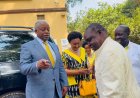
Biara, who is also known for carrying a walking stick, made the remarks while reflecting on a photograph depicting some of Africa’s historic leaders carrying walking sticks. He said such images offer an opportunity to remember the values and principles that guided the continent’s early political leaders and their contribution to nation-building.
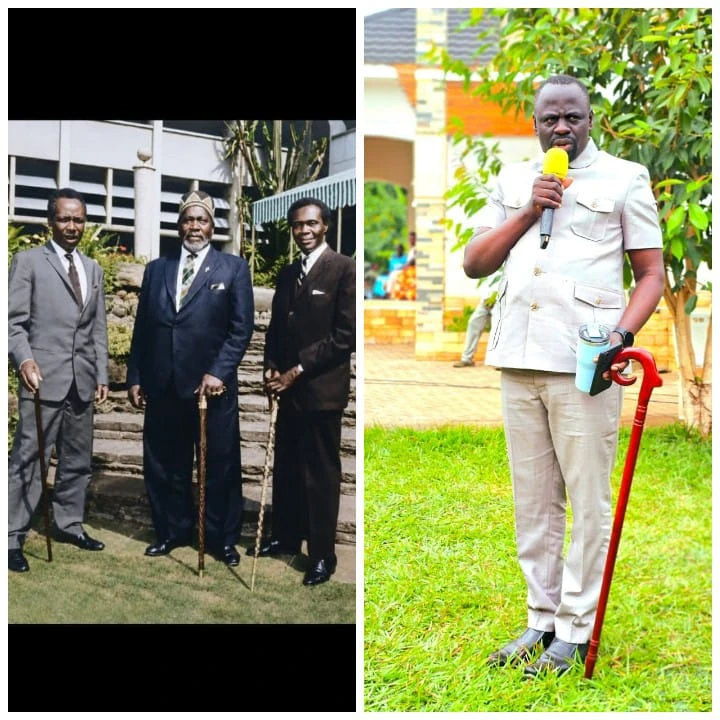
BULAMBULI — Bulambuli County Member of Parliament Hon. Emmanuel Biara Wephukulu has reflected on the significance of traditional symbols in leadership, saying the walking stick should be viewed not merely as an accessory but as a representation of wisdom, humility, identity and a leader’s commitment to service.
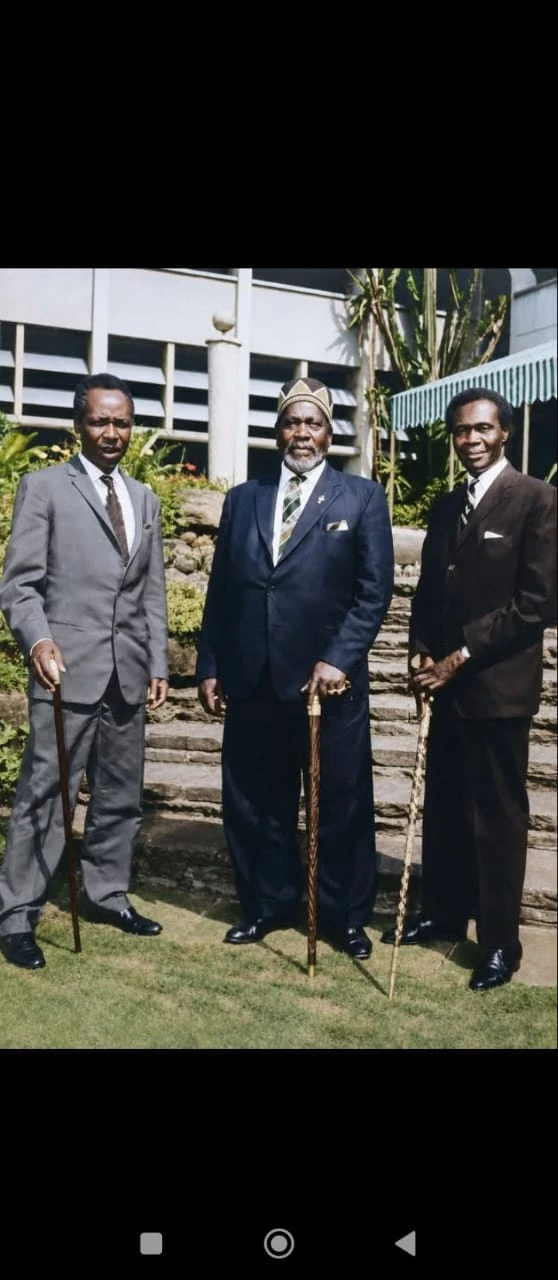
Biara, who is also known for carrying a walking stick, made the remarks while reflecting on a photograph depicting some of Africa’s historic leaders carrying walking sticks. He said such images offer an opportunity to remember the values and principles that guided the continent’s early political leaders and their contribution to nation-building.
According to Biara, the importance of a walking stick lies less in the object itself and more in the meaning attached to it, particularly the values of leadership and service that it can represent.
“This photograph reminds us that great leaders often carried symbols of identity, humility and purpose. What matters is not the walking stick itself, but the legacy of service it represents,” Biara said.
The Bulambuli County MP said leadership should ultimately be judged by the quality of service offered to the people and the legacy left behind for future generations.
He cited former Tanzanian President Julius Nyerere, Kenya's first President Jomo Kenyatta and former Ugandan President Milton Obote among African leaders whose contributions to the continent's political history continue to inspire debate and reflection on leadership and nation-building.
Biara said the leaders demonstrated, in different ways, a commitment to building their respective nations and advancing the interests of Africa. He argued that the symbols associated with some of these leaders can serve as reminders of the responsibility that comes with holding public office.
“Leadership is defined by service, integrity and the legacy we leave behind,” Biara said, emphasising the need for leaders to remain focused on the welfare of the people they represent.
For Biara, the walking stick has therefore become more than a personal item. It forms part of his public image and serves as a symbolic connection to a tradition of African leadership in which leaders were often associated with distinctive cultural and personal symbols.
He noted that as political leaders come and go, the impact of their decisions and the values they promote can continue to influence generations. The walking stick, in this context, represents a reminder that leadership is temporary, while legacy can endure.
Biara's reflection also places his own use of a walking stick within a broader conversation about African identity and leadership. Rather than focusing on the physical object, he encourages the public to consider the principles it symbolises — wisdom in decision-making, humility in service and purpose in leadership.
The MP's message comes at a time when discussions about effective leadership, accountability and national development remain central to Uganda's political discourse. He believes that leaders at every level should aspire to leave behind a positive record of service rather than pursuing positions for personal gain.
His admiration for figures such as Nyerere, Kenyatta and Obote also reflects his identification with the broader Pan-African tradition, which emphasises African unity, self-determination, dignity and development.
Biara described the leaders as “true Pan Africanists,” drawing attention to their historical roles in shaping the political direction of their countries and the wider continent.
The Bulambuli legislator's remarks suggest that symbols associated with leadership can carry deeper meanings when viewed through the lens of history. In his interpretation, the walking stick is a reminder that leaders should walk with wisdom, serve with humility and remain committed to a greater purpose.
As Biara continues to carry his own walking stick, the symbol has increasingly become associated with his personal style and public presence. His latest reflections offer a glimpse into the values he believes should define leadership — service to the people, integrity in public life, humility in the exercise of authority and a commitment to leaving behind a legacy that future generations can respect.
For Biara, the message is simple: leaders may eventually leave office, but the example they set and the legacy they create can continue to shape society long after they are gone.
“While leaders pass on, their legacy endures,” he said.

John Kusolo is a Pastor, Sports Enthusiast and Ugandan journalist with Nile Chronicles News (NCN). With a strong commitment to journalistic excellence, he is recognized for his dedication, goal-oriented approach, and ability to thrive in challenging environments. Kusolo brings focused motivation and professionalism to his reporting and media assignments.










Comments (0)