
The Brass Band That Became a Movement: Dr. Samuel Watulatsu’s Story of Resilience as FDNC Marks 30 Years with Ambitious 2026–2030 Strategic Plan
His journey, according to his own account, has been characterised by innovation, generosity, international partnerships, community service and significant challenges. Yet, despite the difficulties, Watulatsu says he has remained committed to the belief that communities can be transformed when people are given opportunities to discover and develop their abilities.
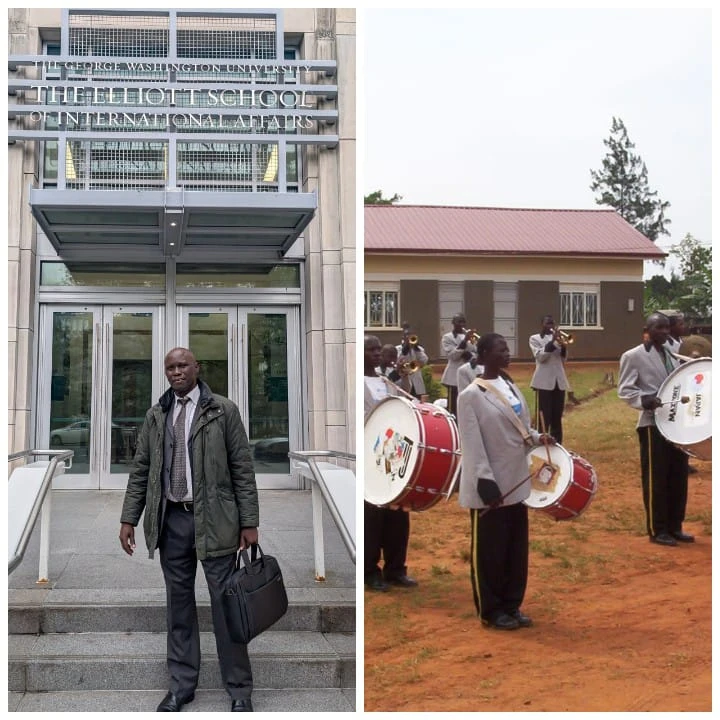
For Dr. Samuel W. Watulatsu, the story of the Foundation for Development of Needy Communities (FDNC) is not simply a story about establishing a brass band. It is a story about a vision conceived decades ago, nurtured through persistence, and eventually transformed into an avenue for empowering young people and communities in the greater Mbale region and beyond.
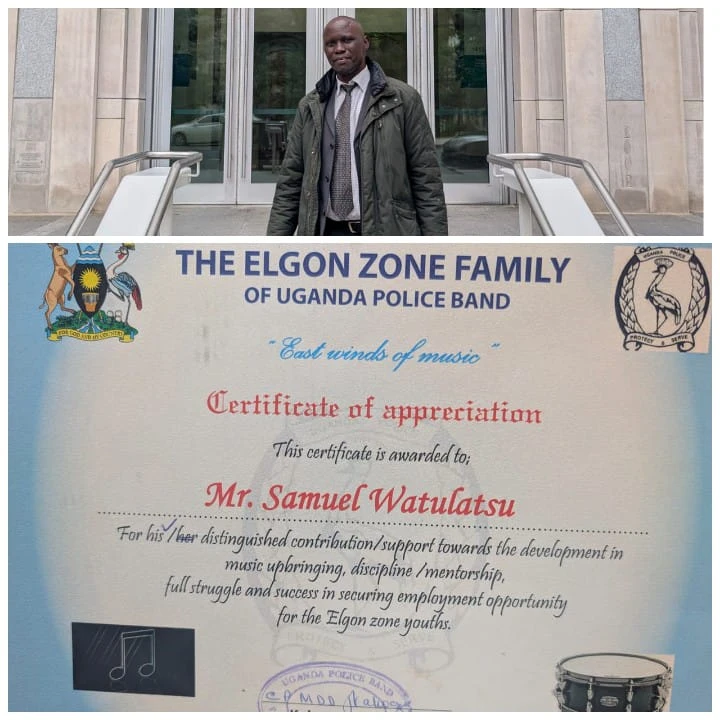
His journey, according to his own account, has been characterised by innovation, generosity, international partnerships, community service and significant challenges. Yet, despite the difficulties, Watulatsu says he has remained committed to the belief that communities can be transformed when people are given opportunities to discover and develop their abilities.
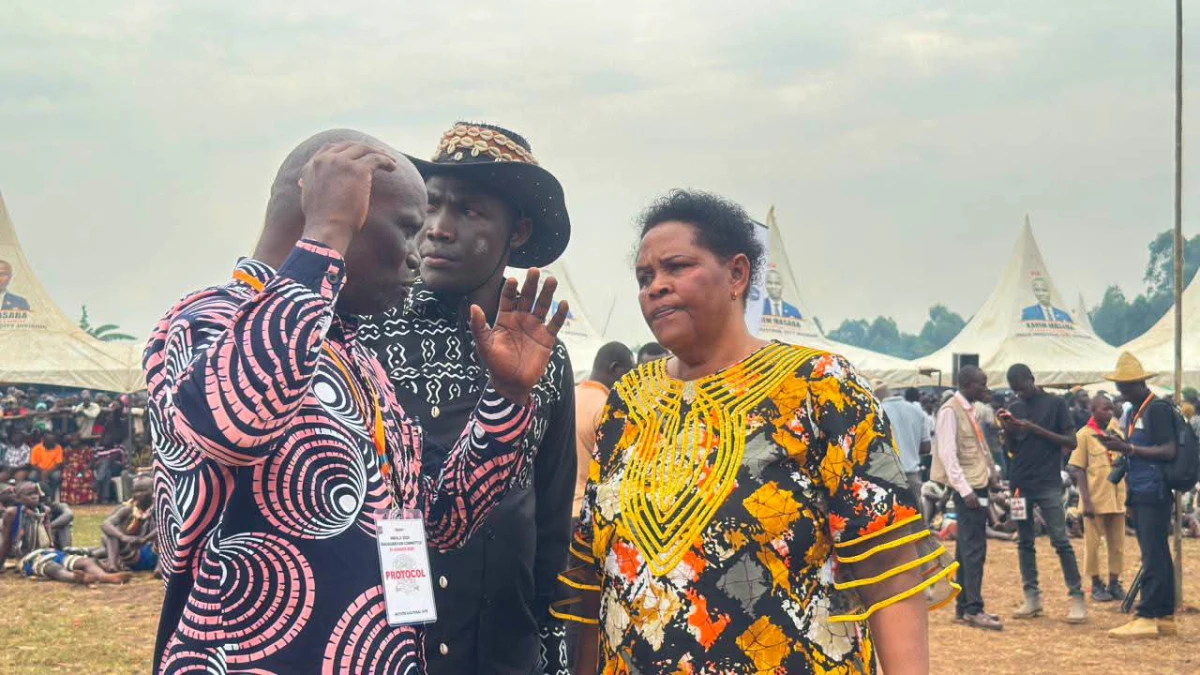
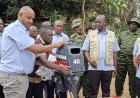
Dr. Watulatsu (L) at the Imbalu Season 2026 Launch on 1st August 2026 at Mutoto, Mbale District
A vision born in 1988
Watulatsu traces the beginning of his brass-band dream to August 1988, when he attended the wedding of his former teacher at Nabumali High School, Mr. John Chamberlain, to Ms. Rose Alenyo.
A Uganda Prisons brass band performed at the wedding.
The experience left a lasting impression on the young Watulatsu and planted the idea of creating a musical skills programme that would particularly benefit vulnerable children and young people.
Several years later, the dream was strengthened when he encountered another brass band during his pass-out parade after a three-month cadre training programme at Kyankwanzi in 1991. The Uganda Police Brass Band provided the music, once again reminding him of the possibilities that music could create.
While studying at Makerere University in the early 1990s, Watulatsu says he regularly witnessed brass bands from the Police, Prisons, Army and Kamuli Boys participating in university hall events.
Those experiences reinforced his belief that the greater Mbale and Eastern Uganda could benefit from having its own locally established brass-band programme.
Turning an idea into reality
The vision became more concrete in the mid-1990s.
Watulatsu recalls that when former United Nations Secretary-General Kofi Annan visited Mbale to commission the Eastern Region Private Sector Development Programme, organisers reportedly spent about Shs3 million to hire a Uganda Police Brass Band from Kampala.
For Watulatsu, the cost and logistics involved demonstrated a gap that could be addressed locally.
He began thinking seriously about establishing a brass band in Mbale that could provide entertainment and ceremonial services while, more importantly, training young people in music.
By this time, he says, he had acquired education, skills, experience and international contacts that gave him greater confidence to pursue the idea.
He began reaching out to friends and well-wishers abroad for assistance.
The breakthrough from the United Kingdom
The breakthrough eventually came through his international network.
Watulatsu recalls receiving an email from Camberley Youth Wind Orchestra in the United Kingdom informing him that his request for assistance had been successful.
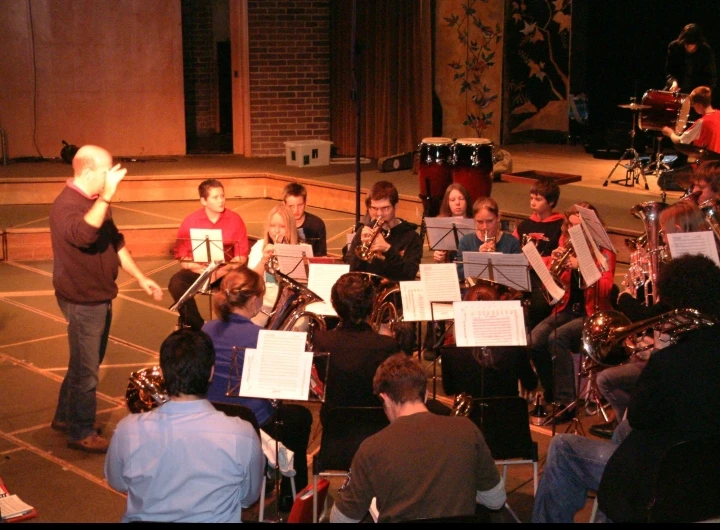
The organisation donated a three-set brass/wind band, while British Airways agreed to transport the equipment to Entebbe Airport as part of its social-responsibility support.
According to Watulatsu, the equipment, weighing more than 1,345 kilograms, arrived in Uganda on July 10, 1999.
But the arrival of the instruments did not immediately mean the end of the challenges.
The Entebbe clearance challenge
Watulatsu says he faced another major hurdle when efforts to clear the donated equipment at Entebbe became difficult.
He recalls being informed that clearance costs could exceed Shs9 million, an amount that threatened to derail a project that had been established primarily for community benefit.
At that point, he sought the intervention of the then Mbale District LC5 Chairperson, Mr. Walimbwa Peke Charles.
Watulatsu says the district leadership presented the matter to its executive committee and eventually supported the clearance of the equipment through the youth development vote.
Transport was also provided to move the equipment after days of difficulties at Entebbe Cargo Handling.
For Watulatsu, the intervention demonstrated that public leadership and community initiatives could work together to create opportunities for young people.
The birth of Mbale Youth Brass Band
Once the instruments were secured, Watulatsu and his partners began mobilising trainers and young people interested in learning music.
Within weeks, he says, the trainees had mastered several tunes and began performing.
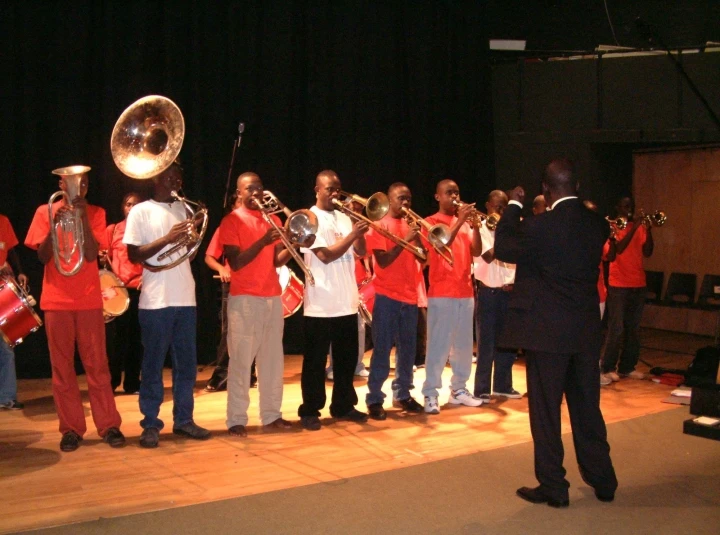
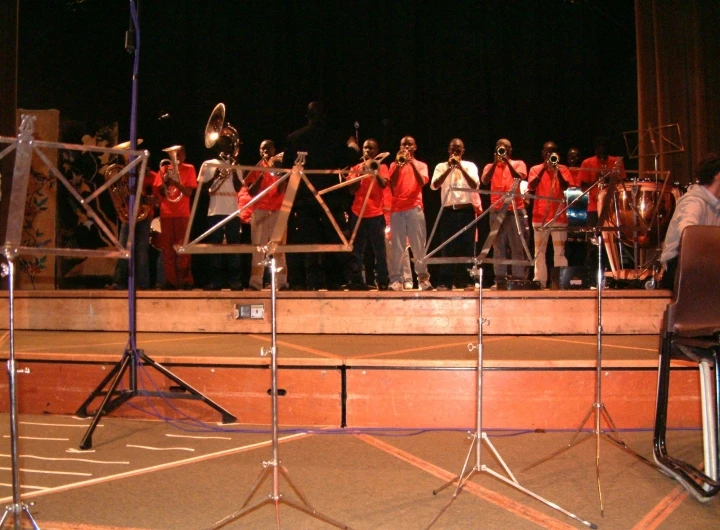
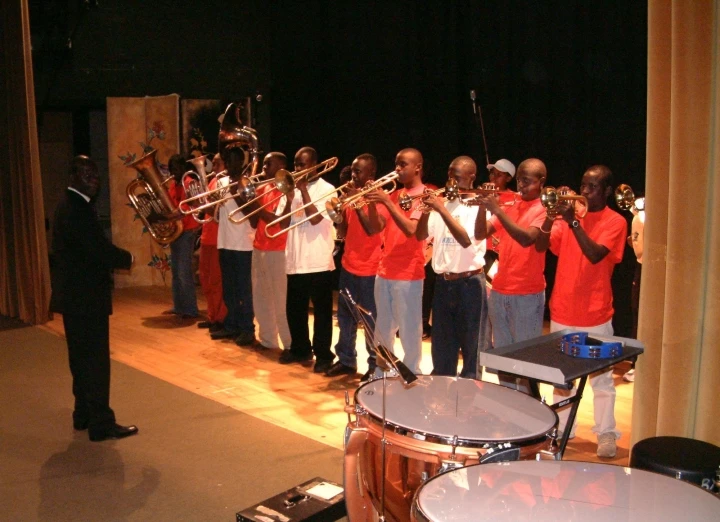
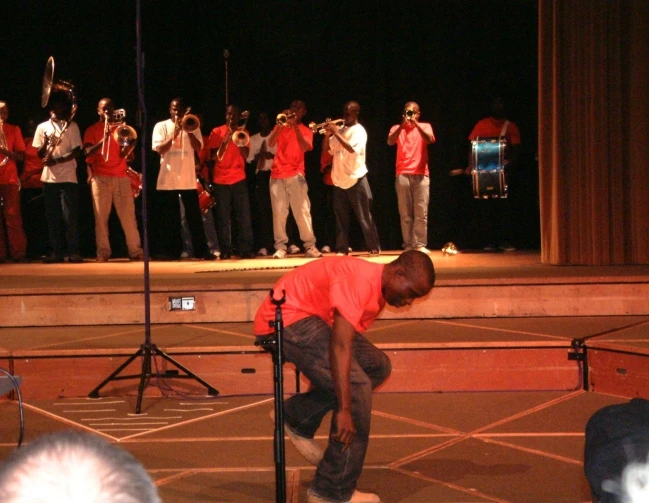
The FDNC Mbale Youth Brass Band subsequently became a distinctive feature at functions across the greater Mbale and Eastern region.
Watulatsu says the initiative created an opportunity for young people to acquire practical musical skills while also developing discipline, teamwork, confidence and exposure.
The band was not intended merely to entertain. It was conceived as a platform for skills development and community empowerment.
Taking young people beyond their communities
One of the most significant aspects of Watulatsu's approach was his decision to expose the young musicians to opportunities outside Mbale.
He organised local, national and international trips where members could perform, learn and interact with other musicians and communities.
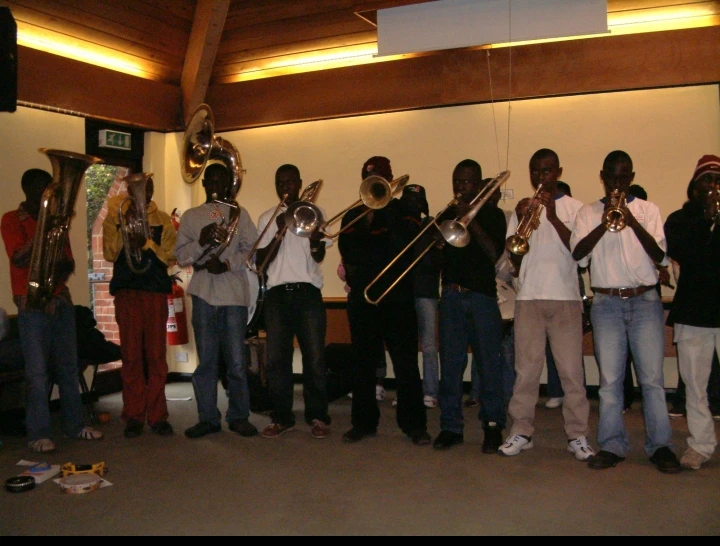
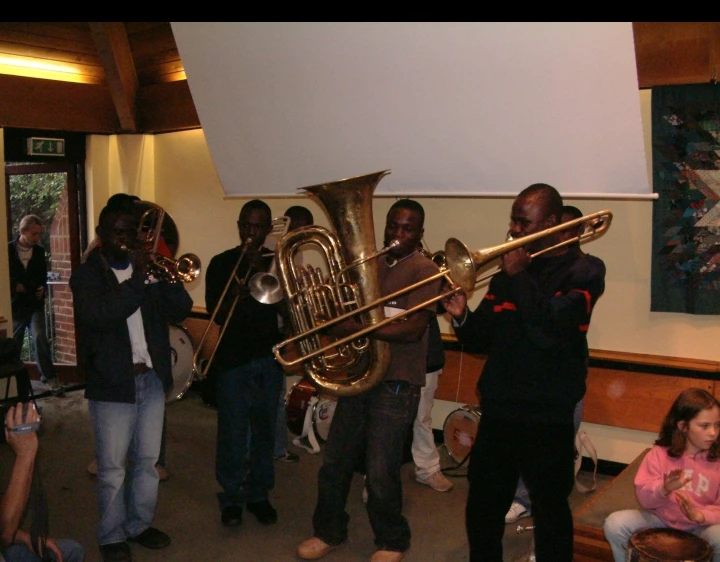
One of the major milestones was the band's first trip to the United Kingdom from October 30 to November 14, 2005.
The FDNC Mbale Youth Brass Band was invited through its partner, the Care and Share Foundation based in Chepstow, Wales.
Watulatsu says he handled the local arrangements and helped facilitate the group's travel, while SN Brussels Airlines supported the trip.
The Care and Share Foundation, led by John Milton Whatmore, together with friends and well-wishers, supported the band's activities and expenses in the United Kingdom.
Approximately 22 young people were selected from more than 113 applicants under a strict selection process.
For the participants, the journey was much more than a performance tour. It exposed them to a different environment and demonstrated that young people from Mbale could compete, perform and interact confidently on international platforms.
A journey that attracted resistance
Watulatsu's success, however, did not come without controversy.
He says some people who believed that such achievements were reserved for the privileged became uncomfortable with the progress of the initiative.
In his account, he encountered jealousy, selfish interests, intrigue and resistance from some individuals. He also says some young people involved in the initiative were vulnerable to manipulation because of limited moral guidance and life experience.
The resulting disagreements eventually developed into legal disputes that, according to Watulatsu, consumed many years of his life.
He maintains that his independent approach and organisational methods attracted opposition from people who did not agree with his vision.
Resilience through legal battles
Watulatsu says the legal challenges became one of the most difficult chapters of his journey.
He recalls cases before the lower courts and subsequent proceedings before the High Court. He believes that the disputes threatened both his credibility and his ability to continue with his community initiatives.
He has publicly named judicial officers who presided over different stages of the proceedings, including Magistrate Grade One Stella Atingu and High Court Judge Justice Steven Musota.
These claims represent Watulatsu's personal account of the disputes and should be distinguished from independently verified findings contained in court records.
He says the experience was emotionally and financially draining, particularly because he feared losing property he had worked hard to acquire.
However, rather than abandoning the matter, he pursued the available appeal processes.
Watulatsu points to a Court of Appeal decision delivered on February 6, 2016, by Justices Kenneth Kakuru, Simon Byabakama Mugenyi and Lady Justice Elizabeth Musoke as an important moment in his long legal journey.
For him, the outcome reinforced the value of resilience and persistence in seeking justice through established legal channels.
The impact on young people
Despite the challenges, Watulatsu says the greatest reward has been seeing what happened to the people who passed through the programme.
According to his account, more than 40 former members of the FDNC Mbale Youth Brass Band have gone on to serve in national bands associated with institutions such as the Uganda Police, Uganda People's Defence Forces and Uganda Prisons.
Others have formed their own musical groups, while some have pursued opportunities in different parts of Uganda and abroad, including Europe, China and the United States.
For Watulatsu, these outcomes demonstrate that investing in young people's talents can produce benefits that continue long after the original project has been established.
A mustard seed that grew
Watulatsu describes the impact of the original band as a “mustard seed effect.”
What started as one community brass-band initiative has, according to him, contributed to the growth of brass-band culture across the greater Mbale region.
He estimates that there are now at least 24 brass bands operating across the region.
He also highlights the role of international volunteers and partners who contributed knowledge and skills to the programme.
Among those he remembers is Philip Robert Monk, a British national and former Royal Mail employee who, after retirement, developed an interest in Watulatsu's community work.
Watulatsu says Monk eventually settled in Mbale, married a Ugandan woman who worked with the programme and became involved in music training.
He later developed the Mbale Schools Band, further extending the musical training model.
Recognition and international partnerships
Watulatsu's work eventually attracted international attention.
He recalls being invited to receive a Brass Band World Award associated with the United Kingdom.
Beyond awards, he considers the international partnerships themselves to be among the most important achievements of his work.
The partnerships demonstrated that community organisations in Mbale could collaborate with individuals and institutions from Europe and other parts of the world to create opportunities for young people.
A broader vision of community transformation
Although the brass band remains one of the most visible aspects of Watulatsu's work, his ambitions extend beyond music.
As founder of the Foundation for Development of Needy Communities, he says his broader mission has been to empower disadvantaged people, promote innovation, support cultural preservation and create partnerships that can contribute to community development.
He has also been associated with Bridges for Innovation International Ltd., Partnerships Overseas Networking Trust, Mbale Coalition Against Poverty and other initiatives.
His interests have extended into cultural preservation and heritage within the greater Mbale and Bugisu community.
The lesson of resilience
Looking back, Watulatsu says his experience has taught him that innovation often requires resilience.
He believes many people are comfortable following established paths, while relatively few are willing to pioneer new ideas.
He therefore draws inspiration from advice attributed to one of his professors: “In this world, so many are imitators, very few are innovators. Whenever you are, never fear to pioneer.”
For him, the brass-band project was an example of pioneering something that many people initially considered difficult or unrealistic.
The journey involved finding instruments, clearing donated equipment, training young people, organising international travel, dealing with disagreements and navigating lengthy legal processes.
Yet he says the eventual impact made the difficulties worthwhile.
From changing the world to changing oneself
Watulatsu's experiences have also influenced his philosophy about development.
He now believes that sustainable community transformation requires more than physical resources.
He argues that mindset change and personal transformation are equally important.
In his view, communities need people who are prepared to embrace creativity, responsibility, integrity, cooperation and innovation regardless of their educational background, age, creed or social status.
He says his experience has made him more conscious of the need to focus on what matters most rather than becoming consumed by opposition and controversy.
A legacy that continues through others
The story of Dr. Samuel W. Watulatsu is ultimately a story of an idea that outlived the difficulties surrounding its creation.
A vision first inspired by seeing brass bands as a young man eventually became a training platform for vulnerable young people, an avenue for international exposure and, according to his account, a catalyst for the growth of brass-band culture in the Mbale region.
The most significant measure of the initiative may therefore not be the number of performances or instruments acquired, but the people whose lives changed because they were given an opportunity.
Some became musicians. Others joined national institutions. Others formed their own groups or pursued opportunities beyond Uganda.
For Watulatsu, that is the essence of community empowerment: planting a seed, nurturing it despite obstacles and allowing others to benefit from its growth.
His journey also carries a message for aspiring innovators and community leaders—pioneering a new idea may attract resistance, but resilience can turn a difficult beginning into a lasting legacy.
As he reflects on the journey, Watulatsu cites a saying attributed to an unknown author: “Yesterday I was intelligent, I wanted to change the world; today I am wise, I need to change myself.”
He also draws inspiration from the principle that creativity is a gift and that how a person uses that gift becomes their contribution to the world.
For the young people who passed through FDNC, the legacy is already visible.
What began with the sound of a brass band has become, in Watulatsu's telling, a wider story of opportunity, innovation, resilience and community transformation in Mbale.
FDNC Marks 30 Years with Ambitious 2026–2030 Strategic Plan
Meanwhile, the Foundation for Development of Needy Communities (FDNC) is marking 30 years of community service with a new 2026–2030 Strategic Plan aimed at consolidating its achievements and expanding its impact among underserved communities in the greater Mbale and Eastern Uganda region.
According to Founder and Chief Executive Dr. Samuel Wanendeya Watulatsu, the five-year plan focuses on strengthening FDNC’s institutional capacity, developing the skills of its Board and staff, expanding partnerships, mobilising sustainable resources and promoting innovative solutions to local challenges.
A key priority is mindset transformation, with FDNC seeking to encourage communities to identify local solutions, embrace innovation, take initiative and promote integrity, responsibility, hard work and cooperation.
The plan also continues FDNC’s focus on youth, girls, women and people with varying disabilities, while strengthening successful community models that can be replicated elsewhere.
Youth Brass Band: A flagship achievement
One of FDNC’s most notable achievements is the Youth Brass Band, initiated by Dr. Watulatsu in 1999.
The initiative has provided young people with opportunities to develop musical skills, discipline, confidence and exposure. Its success culminated in an international exposure and promotion tour to the United Kingdom in November 2005.
According to Dr. Watulatsu, the model has since been replicated in communities across Eastern Uganda, creating a multiplier effect and demonstrating that innovative community initiatives can transform attitudes and create opportunities for young people.
Recognition
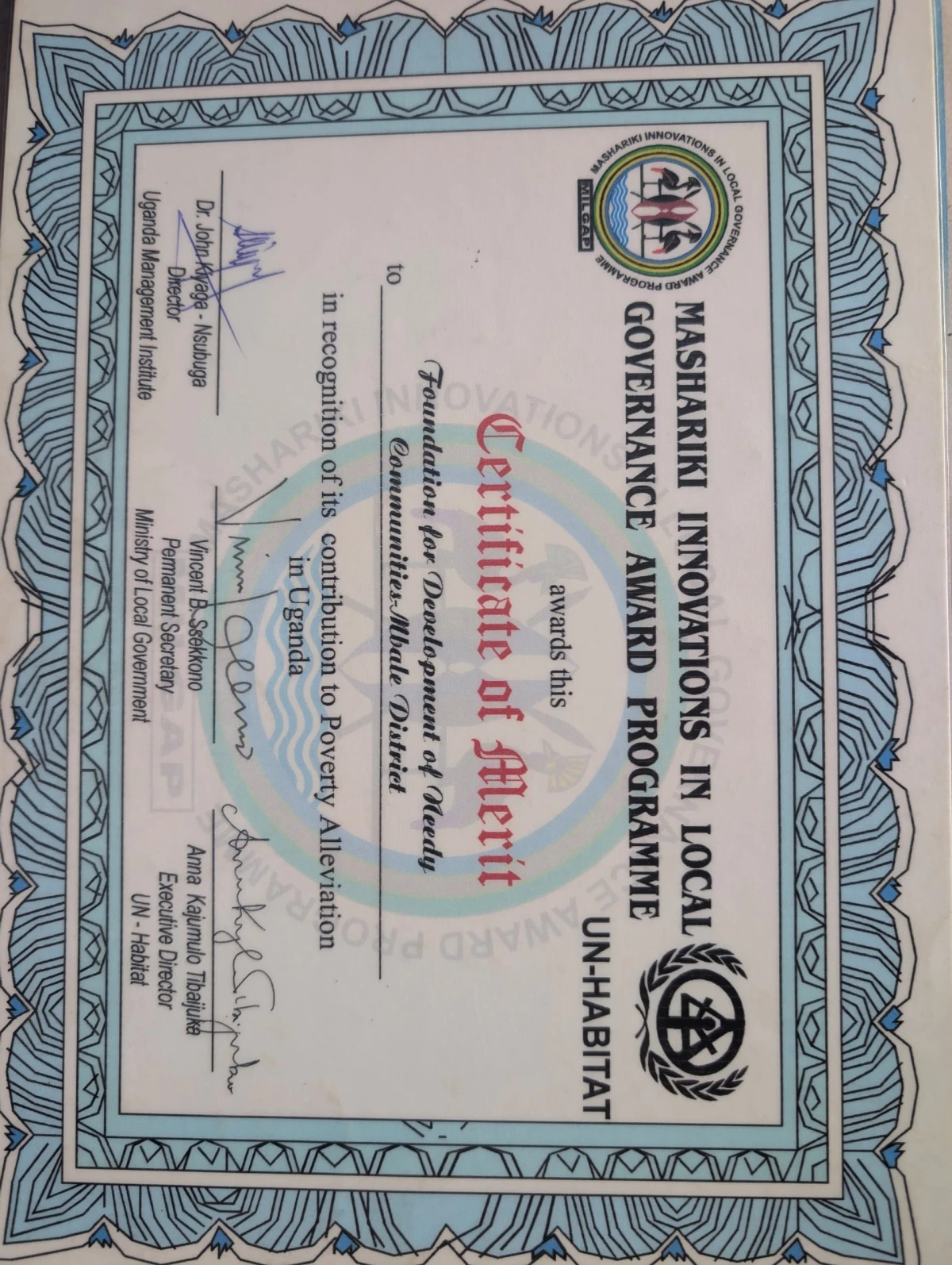
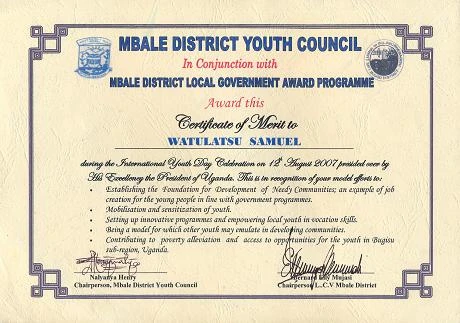
FDNC has received recognition for its contribution to poverty alleviation in Uganda, expanding opportunities for youth in the Bugisu sub-region, and making a positive impact in communities.
The organisation has also received the Brass Band World Award, associated with the success and international recognition of its Youth Brass Band initiative.
As FDNC enters its fourth decade, Dr. Watulatsu says the organisation remains committed to building partnerships, strengthening its internal systems and reaching more needy and underserved people.
For him, the journey of the past 30 years provides a strong foundation for the future.
“The best is yet to come.”
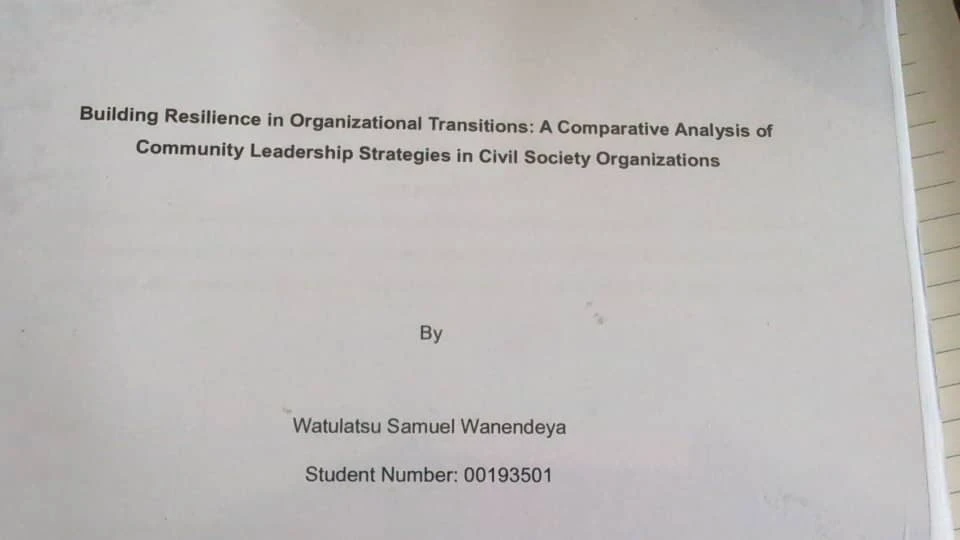
Above is Dr. Watulatsu's doctoral Dissertation and captures depth of the need for the NGO Bureau to think deeper
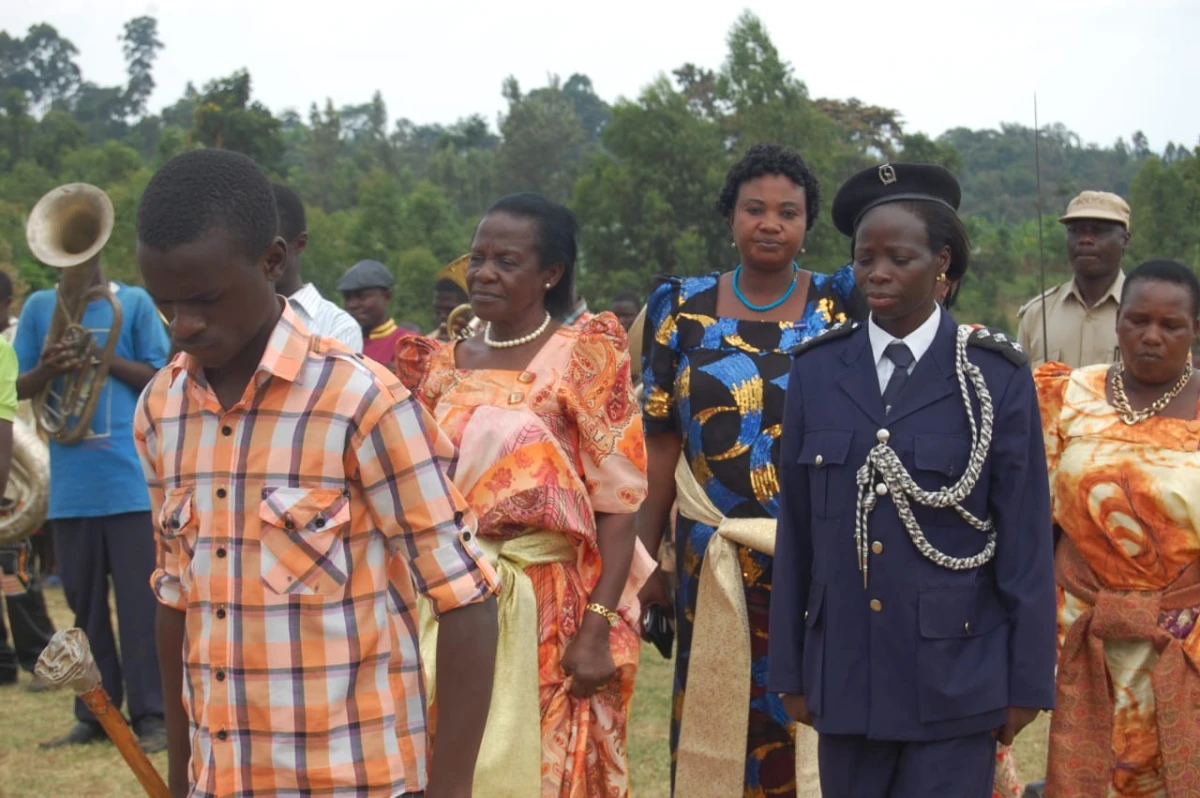
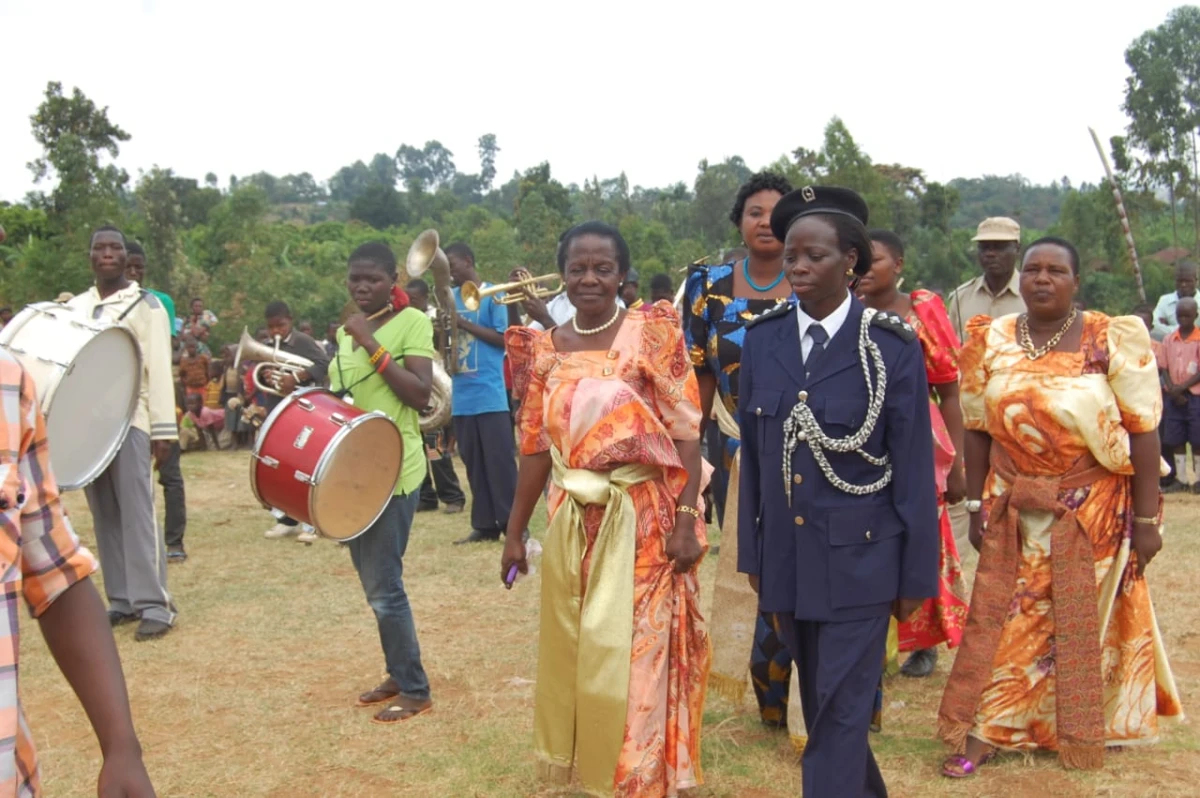
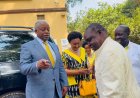
Above: In 2013 the band presiding in Manafwa on occassion graced by then Deputy RDC and current Senior Presidential Advisor on Bugisu Affairs
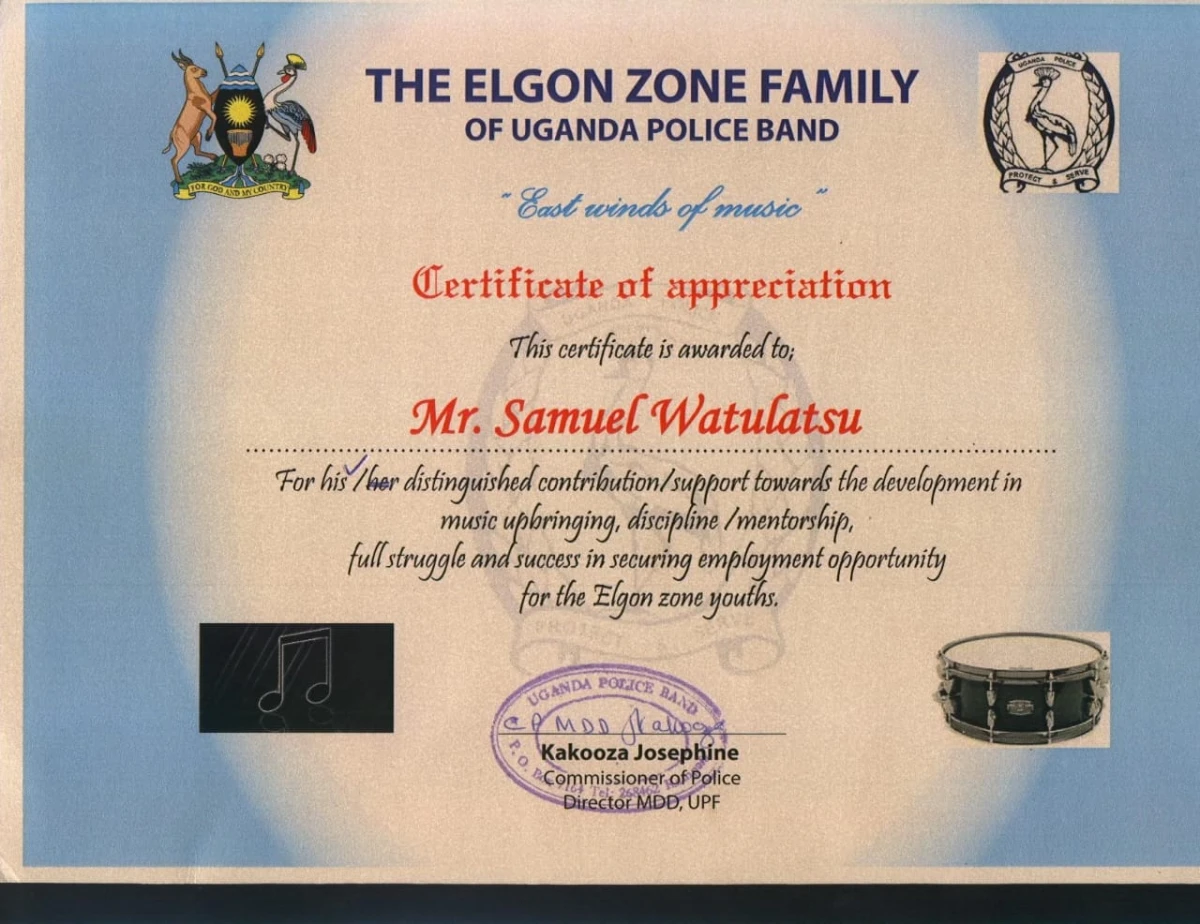
Dr. Watulatsu on above recognition:
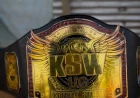
I woke up to a surprise recognition on Sunday 12th July 2015. I was satisfactorily glad that my pioneering social investment in youth and skills development through the FDNC Brass band has now yielded mightier results. We now have over 40 young men and women who's engagements with our initiatives have led to easy opportunities in the Uganda police, Uganda army, and Uganda prisons bands among others becoming a model initiative. Great thanks to our great friends especially Camberly Youth Wind Orchestra (CYWO) among many others that added the snow ball effect to this dream now spreading like bush fire in the region. Thank you to the young men for few people who remember some thing good gained.

John Kusolo is a Pastor, Sports Enthusiast and Ugandan journalist with Nile Chronicles News (NCN). With a strong commitment to journalistic excellence, he is recognized for his dedication, goal-oriented approach, and ability to thrive in challenging environments. Kusolo brings focused motivation and professionalism to his reporting and media assignments.







Comments (0)