
Bugisu Oral Traditions Set for Global Audience as Government Approves Digital Archiving Project
The initiative, titled "A Study of Traditional Ugandan Stories: From Orature to Digital Publishing in Medieval Literature," has been approved under the supervision of the Uganda National Council for Science and Technology (UNCST). The project seeks to collect, archive, and digitally preserve traditional stories that have been passed down through generations among the Bagisu people and other Ugandan communities.
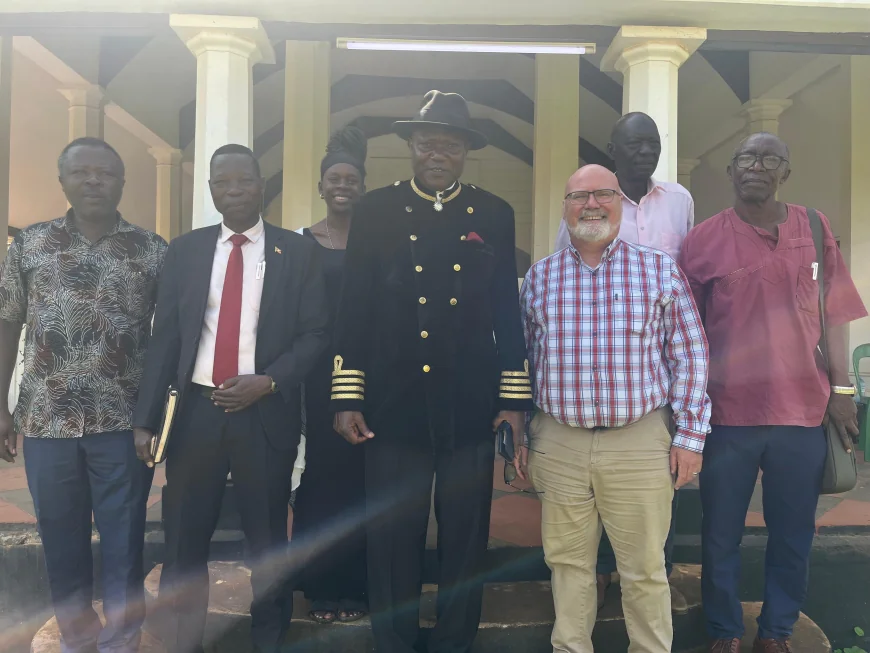
MBALE, UGANDA – The Government of Uganda has officially cleared a major cultural research project aimed at documenting and preserving Bugisu's rich oral and written heritage, marking a significant milestone in the safeguarding of indigenous knowledge for future generations.
The initiative, titled "A Study of Traditional Ugandan Stories: From Orature to Digital Publishing in Medieval Literature," has been approved under the supervision of the Uganda National Council for Science and Technology (UNCST). The project seeks to collect, archive, and digitally preserve traditional stories that have been passed down through generations among the Bagisu people and other Ugandan communities.
According to the spokesperson of the Bugisu Cultural Institution, Hon. Steven Masiga, the process of documenting both the written and oral history of Bugisu has already commenced and is expected to be completed by early next year.
Masiga welcomed the initiative on behalf of the Cultural Communications and Public Relations Department of the Bugisu Cultural Institution, describing it as a timely intervention that will help preserve an important component of the region's cultural identity.
"We welcome these researchers from the United States. Our thinking is that this study will help expand global understanding of Bugisu medieval literature within the current cultural context. Through storytelling, people from different parts of the world will learn about the ways of life of our ancestors hundreds of years ago," Masiga said.
Preserving a Disappearing Heritage
For centuries, Bugisu communities have relied heavily on oral traditions to transmit knowledge, values, customs, and historical experiences from one generation to another. However, cultural leaders fear that many of these stories risk disappearing as older generations pass on and modern lifestyles increasingly replace traditional storytelling practices.
Masiga noted that although Bugisu possesses a vast collection of traditional narratives, much of this heritage remains undocumented and exists only in oral form.
"Many of these stories are still preserved through verbal narration. Without documentation, future generations may never get the opportunity to understand and appreciate them because they could vanish from people's memories over time," he explained.
The project therefore seeks to transform oral narratives into digital and written formats, ensuring that they remain accessible to future generations, researchers, educators, and cultural enthusiasts worldwide.
Cultural Leaders Share Historic Narratives
As part of the research exercise, several prominent cultural figures in Bugisu were interviewed as Key Informants (KIIs) to provide authentic historical and cultural perspectives.
Among those interviewed were:
His Highness Umukuka wa Bugisu, Jude Mike Mudoma
Bugisu Cultural Institution spokesperson Steven Masiga
Minister for Culture Hon. Moses Kutoi
Wanale Clan Chairman Mzee George Muboji
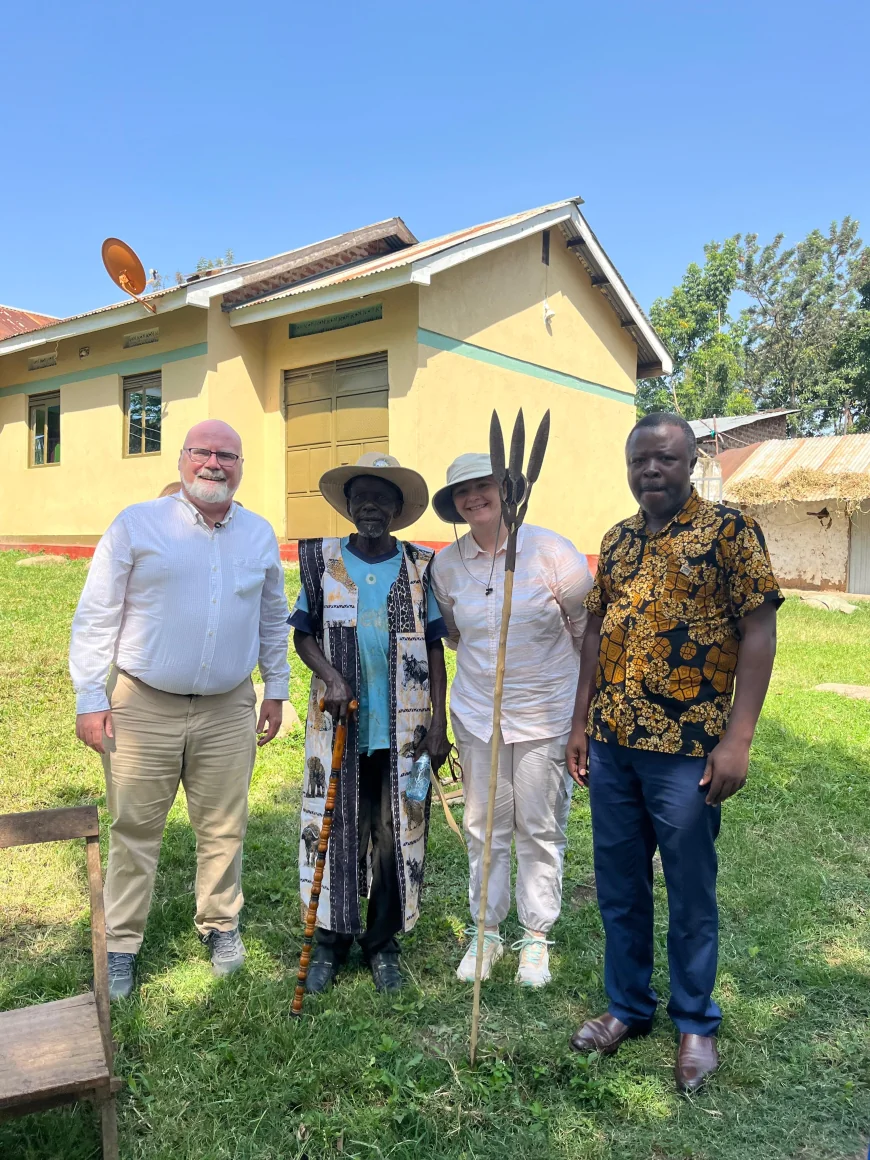
Cultural elder Mzee Wamusitu Ahamada
Other respected custodians of Bugisu traditions and history
The interviews focused on a wide range of traditional narratives including migration stories, war stories, marriage traditions, cautionary tales, and folklore involving animals.
His Highness Umukuka Jude Mike Mudoma reportedly narrated stories concerning the origins of the Bagisu people, historical conflicts, marriage customs, and traditional values that have shaped the community over centuries.
Meanwhile, Wanale Clan Chairman Mzee George Muboji contributed numerous animal stories and war narratives that have long formed part of Bugisu oral tradition.
Cautionary Tales and Traditional Wisdom
Masiga himself shared one of the cautionary stories he grew up hearing from his ancestors. The story, narrated in Lugisu and commonly known as "Wakhanywaa Ukhamela, Rururangokho Rururangokho," carries a moral lesson directed at alcohol consumers.
According to Masiga, the story warns people against excessive alcohol consumption and emphasizes the importance of self-control, cautioning that overindulgence may cause individuals to reveal secrets or behave irresponsibly.
The term "Rururangokho" refers to a type of algae known to cause chickens to slip and fall, symbolizing the loss of balance and judgment associated with excessive drinking.
Such stories have historically served as tools for educating communities about acceptable behavior, social responsibility, and cultural values.
International Research Collaboration
The study is being led by Professor Scott, a scholar from Troy University in Alabama, United States, who specializes in medieval literature and works within the university's English Department.
Professor Scott is undertaking the research under a prestigious Fulbright Scholar Grant, which supports academic exchange and cultural research around the world.
Bugisu Cultural Institution is among the selected cultural entities participating in the broader Ugandan study. Throughout the fieldwork, Professor Scott was accompanied by his wife, who assisted with videographic documentation and photography, while Jackline Nakanda, a trained teacher, served as the coordinating officer for the project.
Taking Bugisu Stories to the World
Researchers have undertaken extensive video recording and documentation of the stories collected during the exercise. The materials will be processed and published through digital platforms under a project tentatively referred to as "Bugisu Medieval Stories to the World."
Cultural leaders believe the initiative will not only preserve Bugisu's heritage but also position the region's storytelling traditions on the global cultural stage.
The project aligns with growing international efforts to protect indigenous knowledge systems and promote cultural diversity through digital preservation.
For Bugisu Cultural Institution, the initiative represents more than just an academic exercise—it is an opportunity to ensure that the voices, wisdom, and experiences of past generations remain alive for centuries to come.
As Uganda increasingly embraces digital technologies, the transformation of oral traditions into accessible digital archives could become a model for preserving cultural heritage across the country, ensuring that future generations continue to learn from the stories that shaped their communities.

John Kusolo is a Pastor, Sports Enthusiast and Ugandan journalist with Nile Chronicles News (NCN). With a strong commitment to journalistic excellence, he is recognized for his dedication, goal-oriented approach, and ability to thrive in challenging environments. Kusolo brings focused motivation and professionalism to his reporting and media assignments.















Comments (0)