
Opinion: 90% of Bamasaaba Ignorantly Assume that Inzu Ya Masaaba Constitution Brought Bukuuka in Bugisu
Why Bamasaaba Must Understand the Legal Foundation of the Umukuka Institution. Every community is free to develop its own customs, procedures, or constitution for identifying and selecting a cultural leader. However, those internal arrangements do not create the cultural institution itself.
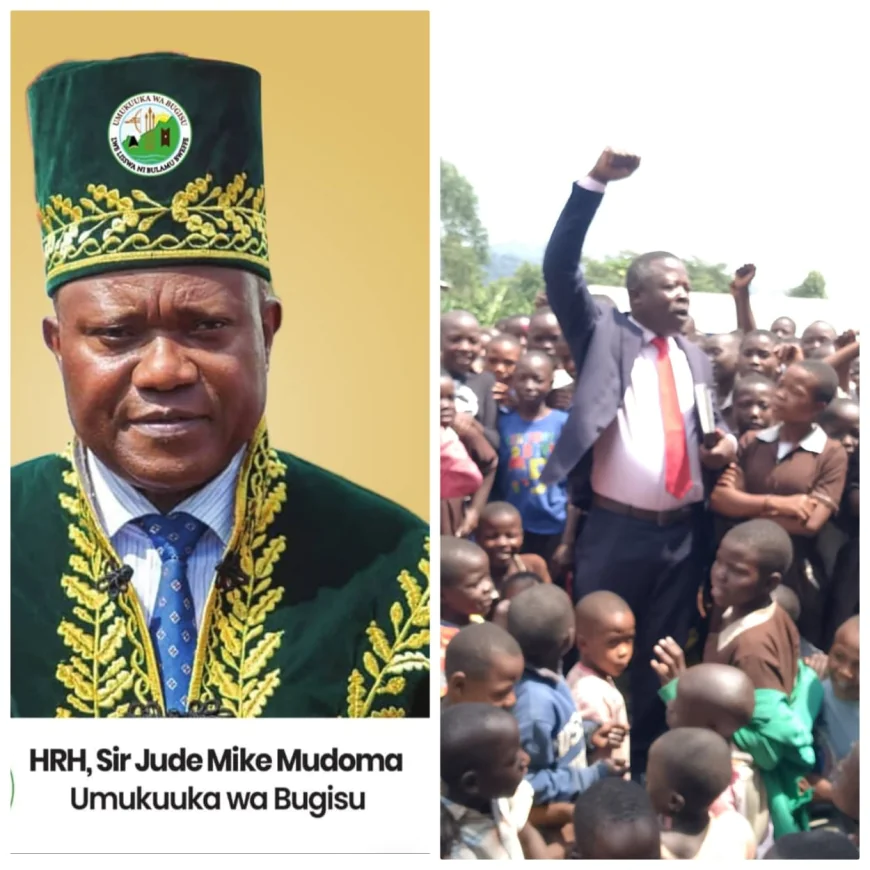
By Steven Masiga
A significant number of Bamasaba continue to believe that the Inzu Ya Masaaba Constitution created the institution of the Umukuka in Bugisu. In my view, this is a fundamental misunderstanding of Uganda's constitutional and legal framework governing traditional and cultural institutions.
Every community is free to develop its own customs, procedures, or constitution for identifying and selecting a cultural leader. However, those internal arrangements do not create the cultural institution itself. The legal existence and recognition of a cultural leader in Uganda stem from the country's Constitution and Acts of Parliament.
The Inzu Ya Masaaba Constitution provides procedures for selecting the Umukuuka, but it did not establish the institution of the Umukuuka. It is Uganda's legal framework that recognizes the institution, while community customs determine how the office holder is chosen.
About six decades ago, the government of President Milton Obote abolished traditional kingdoms and cultural institutions. Parliament approved legislation that ended official recognition of cultural leaders, who were compensated and relieved of their official roles. This marked the suspension of traditional institutions throughout Uganda.
When cultural institutions were later restored, they were revived through the Constitution and subsequent legislation enacted by Parliament. This means that cultural leaders in Uganda are legal creations of the State, operating under constitutional provisions rather than solely under community constitutions or customs.
This constitutional position should be better appreciated in Bugisu. While some argue that the current law recognizes only the office of the cultural leader without establishing a broader institutional structure, such concerns are matters for Parliament to address through future legislative reforms. Laws evolve over time to respond to emerging needs.
Unfortunately, Bugisu continues to witness persistent disputes over cultural leadership, with numerous individuals seeking to become Umukuuka. Many of these disagreements arise from a limited understanding of the legal framework governing cultural institutions.
If communities alone had the power to establish cultural institutions through their own constitutions, it would have been nearly impossible for the government to abolish those institutions in the 1960s or restore them decades later. The fact that both abolition and restoration occurred through national law demonstrates that cultural institutions derive their legal authority from the Constitution and Acts of Parliament.
Gazetting a cultural leader is therefore not merely ceremonial. It is the government's formal recognition of an office established under the law. Should Parliament amend or repeal the relevant legislation, the legal status of any cultural institution would equally be affected.
The current Bugisu cultural leadership emerged through the Inzu Ya Masaaba Constitution. However, following disagreements involving the Attorney General, particularly concerning delegates and electoral procedures, the courts directed the parties to pursue the dispute resolution mechanisms provided under the relevant cultural institutions law. Mediation was conducted in accordance with the applicable legal provisions, resulting in a resolution. Some dissatisfied parties subsequently petitioned the courts, where related matters remain pending.
The Bamasaba community should also recognize that the current government restored traditional and cultural institutions across Uganda and provided an opportunity for communities that previously lacked formally recognized cultural leaders to establish them within the constitutional framework. Likewise, government support and official emoluments are provided under Acts of Parliament, not under community constitutions.
In Bugisu, the first recognized cultural leader, His Highness Mungoma Yonasani Buuyi, was unable to resume office following the restoration because of advanced age and poor health. Had circumstances allowed, he would likely have returned to the throne, much like his contemporary, the Adhola cultural leader, who resumed leadership after the restoration of cultural institutions.
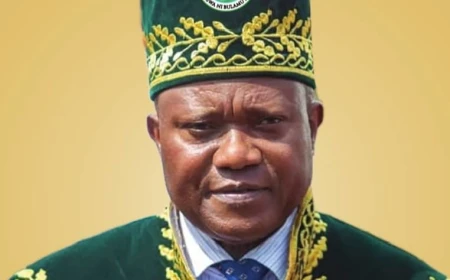
Today, various individuals—including unemployed graduates, retired public servants, former security personnel, and other interested groups—continue to challenge the leadership of Umukuuka Jude Mike Mudoma. While every Ugandan has the right to express opinions, those seeking cultural leadership should first understand the laws that establish and regulate such institutions.
Equally worrying are individuals who allegedly exploit members of the public by soliciting money while promising to secure cultural leadership positions. Such practices mislead the community and undermine respect for the institution.
The legal path to becoming Umukuka is clearly laid out in the Constitution, particularly Article 246, together with the relevant legislation governing traditional and cultural leaders. Any aspiring cultural leader must comply with these legal provisions. Attempting to bypass them would be inconsistent with Uganda's constitutional order.
The Bamasaba community should also reflect on Uganda's history, particularly the 1966 constitutional crisis, during which kingdoms and cultural institutions—including Buganda, Bunyoro, Toro, Ankole, and the Umuyinga (Umukuuka) institution in Bugisu—were abolished. Equally important is understanding the constitutional and legal processes through which these institutions were later restored.
Ultimately, while communities have the right to determine how they identify or elect their cultural leaders, such internal procedures do not, by themselves, create the institution. The legal existence of cultural leadership in Uganda remains firmly anchored in the Constitution and Acts of Parliament.
The writer is the Spokesperson Bukuka
Tel: 0782231577.

John Kusolo is a Pastor, Sports Enthusiast and Ugandan journalist with Nile Chronicles News (NCN). With a strong commitment to journalistic excellence, he is recognized for his dedication, goal-oriented approach, and ability to thrive in challenging environments. Kusolo brings focused motivation and professionalism to his reporting and media assignments.









Comments (0)