
Cultural Leadership Key to Sustaining Bagisu Hard Work Ethos
For generations, the Bagisu have built their livelihoods through agriculture, trade, education, and community cooperation. Hard work has been deeply embedded in the customs and values passed down by their ancestors. It is these values that have enabled the region to remain productive and resilient despite various social and economic challenges.
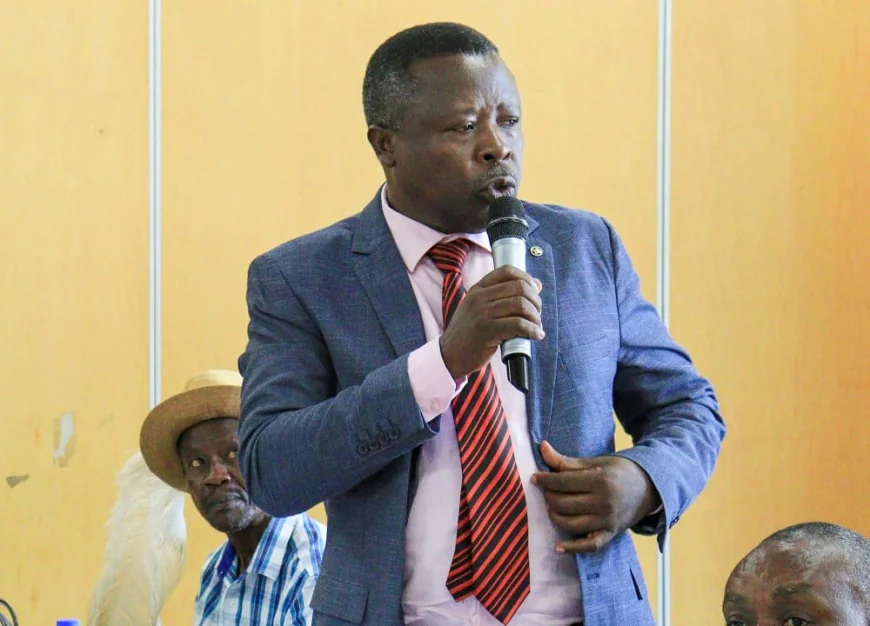
By Steven Masiga
The people of Bugisu have long been recognized as hardworking, resilient, and enterprising. This reputation recently received national attention when President Yoweri Museveni publicly described the Bagisu as overwhelmingly hardworking people. While the President also expressed concern that some politicians from the region may have failed to provide effective leadership and guidance, the focus should now shift towards strengthening cultural leadership as a force for unity, development, and social transformation.
For generations, the Bagisu have built their livelihoods through agriculture, trade, education, and community cooperation. Hard work has been deeply embedded in the customs and values passed down by their ancestors. It is these values that have enabled the region to remain productive and resilient despite various social and economic challenges.
Having served as the spokesperson of the Bugisu Cultural Institution for the past six years, I have had the opportunity to closely interact with communities across the region. This experience has provided valuable insight into the aspirations, strengths, and challenges facing the Bamasaba people. It has also reinforced my belief that cultural leadership remains one of the strongest institutions capable of guiding communities toward a common vision.
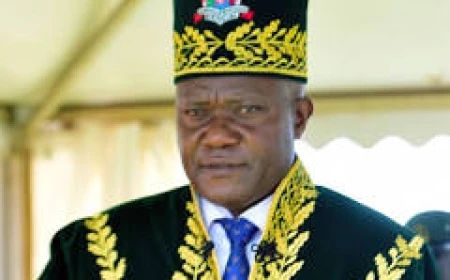
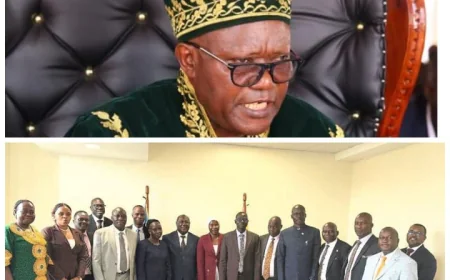
Today, the Umukuuka of Bugisu, His Highness Jude Mike Mudoma, is increasingly taking a central role in community mobilization and social transformation. Through cultural engagements, school outreach programs, clan structures, and partnerships with government institutions, the cultural institution is promoting values that encourage education, discipline, unity, and hard work.
One of the most notable initiatives undertaken by the Umukuuka is the campaign to encourage young people to complete their education. By moving across schools and engaging learners directly, the cultural institution is supporting government efforts aimed at increasing school retention and helping young people take advantage of universal education opportunities. Such interventions demonstrate how cultural leadership can complement government programs and contribute to national development.
The growing visibility and influence of the cultural institution have generated optimism among many members of the community. Across Bugisu, more people are increasingly embracing cultural programs that seek to strengthen identity, preserve traditions, and promote social cohesion. Many observers believe that if this momentum is sustained, Bugisu could experience significant social and economic transformation in the years ahead.
However, as is often the case with any growing institution, not everyone welcomes this development. Some political actors and individuals appear uncomfortable with the rising prominence of cultural leadership. Yet history demonstrates that cultural institutions and political leadership need not be competitors. Rather, they should be partners working toward the shared objective of improving the welfare of the people.
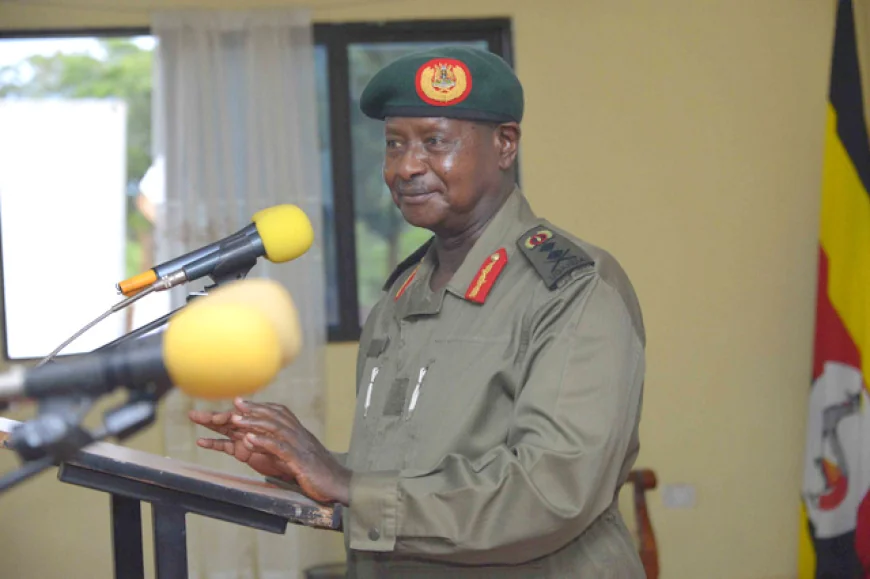
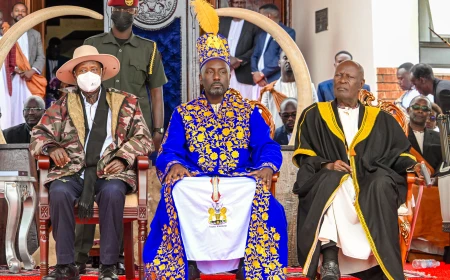
A recent meeting between President Museveni and the Umukuuka in Mbale further highlighted the importance of cultural institutions in community mobilization. The warm reception accorded to the Umukuuka and his delegation underscored the role that cultural leaders can play in supporting national development initiatives and strengthening communication between government and local communities.
Historical accounts and oral traditions indicate that the ancestors of the Bagisu placed great emphasis on productivity and communal responsibility. Hard work was not merely encouraged; it was expected. Individuals who failed to contribute meaningfully to society often faced social disapproval. Agriculture formed the backbone of community life, and diligence was regarded as a virtue worthy of respect.
These values remain relevant today. In an era marked by unemployment, social challenges, and increasing competition for opportunities, the spirit of hard work must continue to guide the younger generation. Equally important is the need to reject division, malice, and unnecessary confrontations that undermine collective progress.
The Bible and other moral teachings consistently emphasize the dignity of labor and condemn idleness. These principles resonate strongly with traditional Bagisu values that celebrate enterprise, perseverance, and self-reliance. By embracing both cultural and moral teachings, the community can strengthen its social fabric and secure a brighter future.
As the custodian of Bugisu culture and traditions, the Umukuuka occupies a unique position in preserving these values and inspiring future generations. His message of unity, education, discipline, and hard work deserves the support of all people who wish to see Bugisu prosper.
The future of Bugisu will not be determined by conflict or political intrigue but by the collective efforts of its people. By listening to constructive leadership, embracing cultural values, supporting education, and maintaining the tradition of hard work inherited from their ancestors, the Bamasaba can build a stronger and more prosperous region.
The call to the people of Bugisu is therefore clear: remain united, work hard, preserve your culture, support positive leadership, and focus on initiatives that uplift the community. Through cooperation between cultural institutions, government, and the people themselves, Bugisu can continue its journey toward greater social and economic transformation.

John Kusolo is a Pastor, Sports Enthusiast and Ugandan journalist with Nile Chronicles News (NCN). With a strong commitment to journalistic excellence, he is recognized for his dedication, goal-oriented approach, and ability to thrive in challenging environments. Kusolo brings focused motivation and professionalism to his reporting and media assignments.











Comments (0)