
Government Freezes Inzu Ya Masaaba Bank Accounts Following Deregistration
According to Masiga, the deregistration carries significant legal implications under Uganda's laws governing companies and cultural institutions. He explained that once a company is deregistered, it ceases to exist as a legal entity and can no longer conduct business, operate bank accounts, enter contracts, or present itself to the public as an active organization.
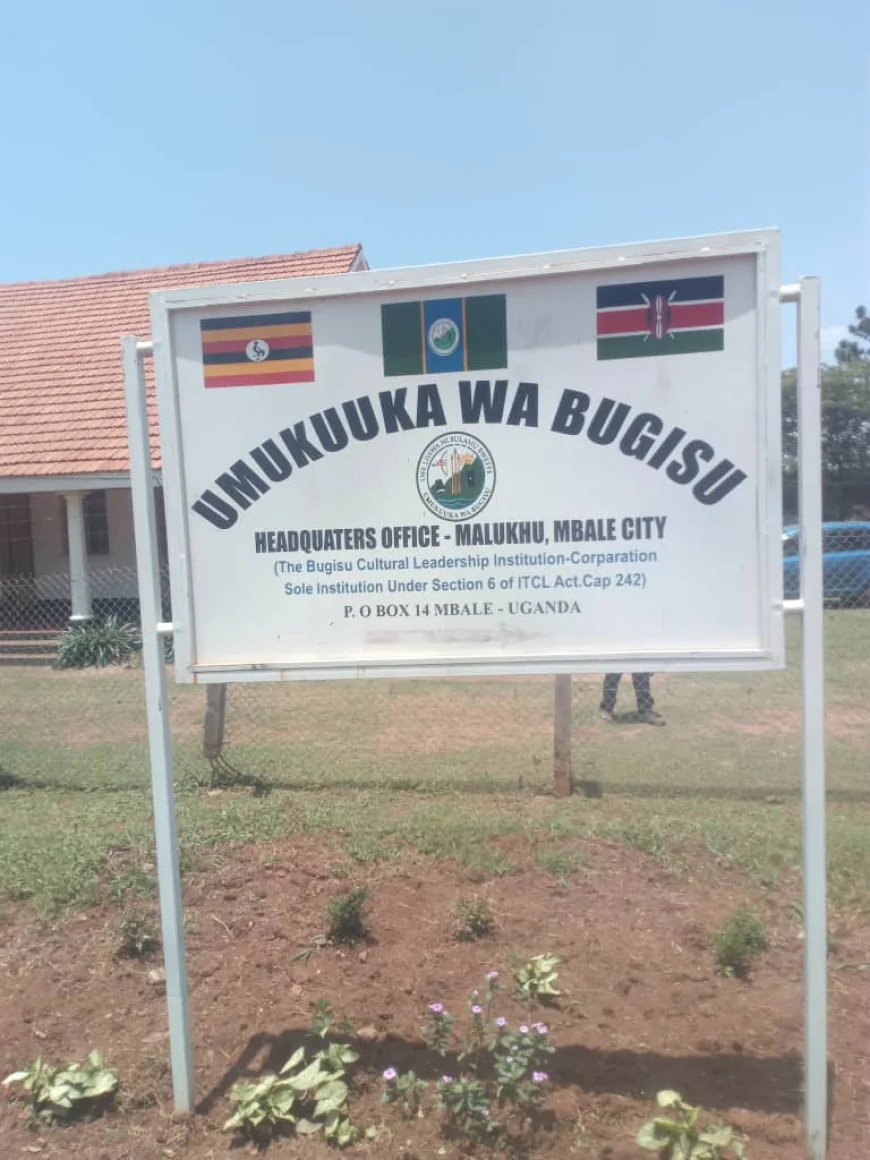
The Government of Uganda, through the Uganda Registration Services Bureau (URSB), has officially deregistered Inzu Ya Masaaba, effectively halting its operations as a registered company and sparking renewed debate over cultural leadership and representation in the Bugisu sub-region.
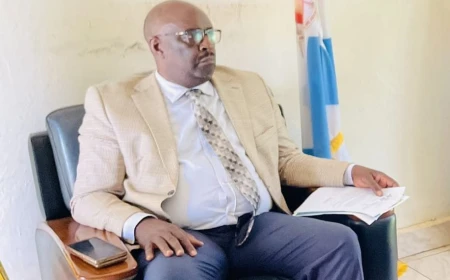
The development has been welcomed by the Bugisu Cultural Institution, whose spokesperson, Steven Masiga, described the government's action as a bold and necessary step aimed at restoring order and clarity regarding the legitimate cultural leadership of the Bagisu people.
According to Masiga, the deregistration carries significant legal implications under Uganda's laws governing companies and cultural institutions. He explained that once a company is deregistered, it ceases to exist as a legal entity and can no longer conduct business, operate bank accounts, enter contracts, or present itself to the public as an active organization.
"Government has officially deregistered Inzu Ya Masaaba and halted its operations. This move brings to an end the confusion that has existed in communities where the entity has been holding itself out as a cultural institution," Masiga said.
He further argued that the deregistration now provides an opportunity for members of the public and other stakeholders to scrutinize the activities and leadership of the organization, which he said had been registered as a private company rather than a recognized cultural institution.
According to Masiga, Inzu Ya Masaaba was incorporated under the Companies Act and was owned by a limited number of individuals. He contends that this structure did not provide the broad-based representation expected of a cultural institution that claims to speak on behalf of the entire Bugisu community.
Masiga also referenced a legal opinion previously issued by the Attorney General, which reportedly cautioned that Inzu Ya Masaaba did not enjoy legal recognition as a cultural institution under Uganda's constitutional and statutory framework governing traditional leadership.
"The Attorney General had already indicated that Inzu Ya Masaba was not a legally recognized cultural institution and that it did not represent all the people of Bugisu. It was a company limited by guarantee and owned by a small group of individuals," he said.
Questions Over Assets and Bank Accounts
The spokesperson noted that the deregistration raises questions regarding the status of assets and bank accounts previously operated under the name of Inzu Ya Masaaba.
According to him, deregistration means the entity no longer has legal authority to continue conducting financial transactions or collecting money from the public. He argued that any future fundraising or public collections conducted under the name of the deregistered entity could attract legal sanctions.
Masiga further stated that relevant government agencies, including tax authorities and regulators, now have the mandate to investigate the management of assets and finances previously associated with the organization, where necessary and in accordance with the law.
Cultural Institutions Governed by Constitution
The Bugisu Cultural Institution maintains that the legal framework governing traditional and cultural leadership in Uganda is clearly provided for under the Constitution and the Institution of Traditional or Cultural Leaders Act, 2011.
Masiga emphasized that individuals seeking to assume the office of Umukuuka, the traditional leader of the Bagisu, must follow procedures established under cultural norms and national laws rather than relying on structures established under company law.
"The Constitution of Uganda and the Institution of Traditional or Cultural Leaders Act provide the legal pathway for recognizing cultural leaders. Anyone aspiring to become Umukuuka must follow that legal and cultural process," he said.
Public Collections Under Scrutiny
The deregistration is also expected to affect any future fundraising drives conducted in the name of Inzu Ya Masaaba. Masiga argued that, without legal status, the entity cannot lawfully solicit funds from the public.
He warned that any persons who continue to collect money while purporting to represent the deregistered organization could face legal consequences if found to be acting contrary to the relevant laws governing public collections and taxation.
Wider Implications
The development is likely to have far-reaching implications for the ongoing debate surrounding cultural leadership in Bugisu. Supporters of the Bugisu Cultural Institution view the government's action as a confirmation of the legal distinction between registered companies and officially recognized cultural institutions.
However, observers note that the matter remains sensitive and could continue to generate discussion among stakeholders regarding cultural representation, traditional leadership, and the future organization of cultural affairs within the Bugisu community.
As government agencies implement the consequences of the deregistration, attention is expected to shift toward ensuring compliance with the law while promoting unity and stability among the people of Bugisu.

John Kusolo is a Pastor, Sports Enthusiast and Ugandan journalist with Nile Chronicles News (NCN). With a strong commitment to journalistic excellence, he is recognized for his dedication, goal-oriented approach, and ability to thrive in challenging environments. Kusolo brings focused motivation and professionalism to his reporting and media assignments.












Comments (0)