
Bamasaaba Unveil Shs300 Billion Bugisu Transformation Roadmap, Secure Shs100 Million Coffee Survey Boost
Hon. Andrew Masaba, the Minister of Finance, Planning and Economic Transformation in the Institution of the Umukuuka, said the completion of the strategic plan marks the first step in a systematic approach to implementing the vision of His Highness the Umukuuka of Bamasaaba, HRH Sir Jude Mike Mudoma III.
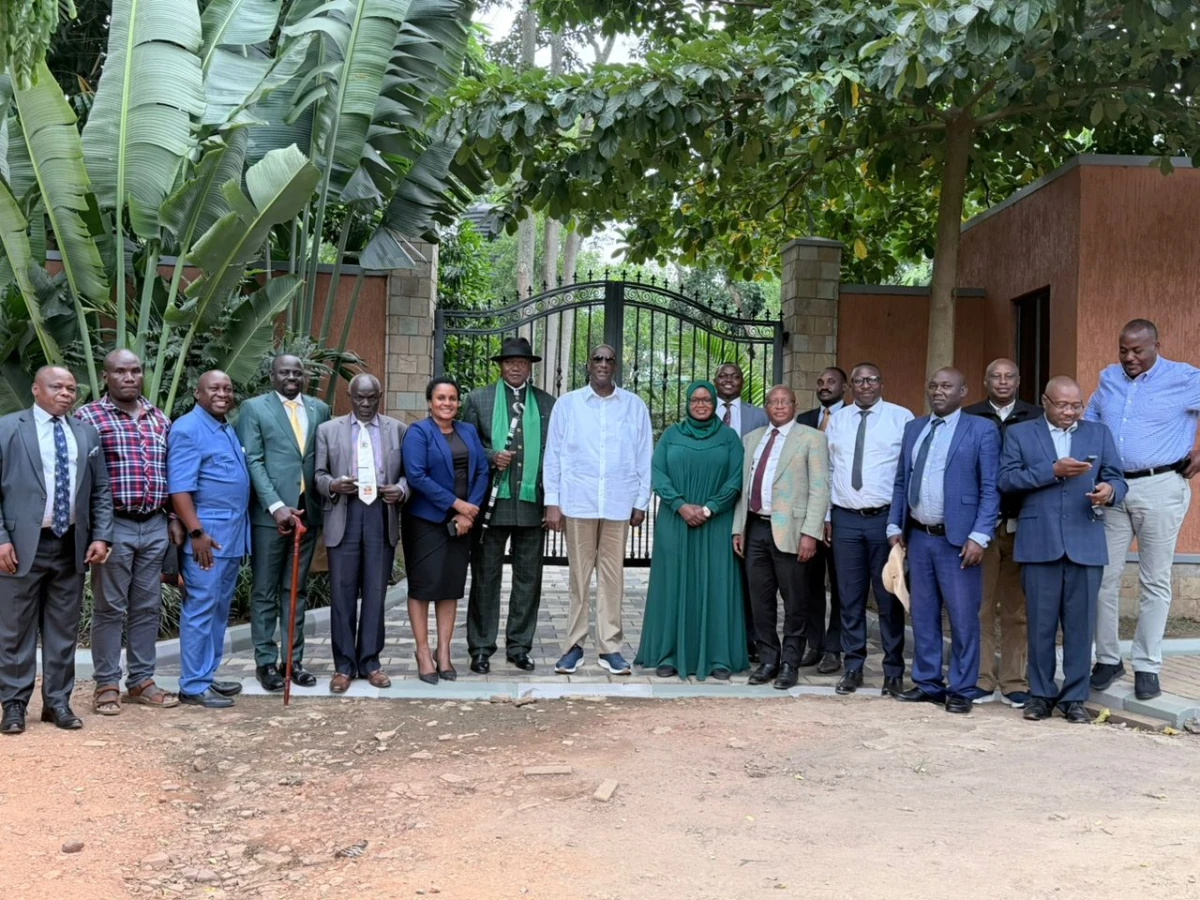
The Institution of the Umukuuka of Bamasaaba has finalized its five-year Strategic Development Plan for 2025–2029, a move described as a major milestone in efforts to place Bugisu on a new path of social and economic transformation.https://eu.wps.com/cms/docs/d/cbTagk0jGiRg1SWb?sa=601.1074
The strategic plan, which outlines the development priorities of the Bugisu region and the Institution of the Umukuuka, is expected to guide interventions in key sectors including agriculture, trade, tourism, human capital development, environmental conservation, infrastructure, financial inclusion, investment promotion, science and technology, and cultural preservation.
Hon. Andrew Masaba, the Minister of Finance, Planning and Economic Transformation in the Institution of the Umukuuka, said the completion of the strategic plan marks the first step in a systematic approach to implementing the vision of His Highness the Umukuuka of Bamasaaba, HRH Sir Jude Mike Mudoma III.
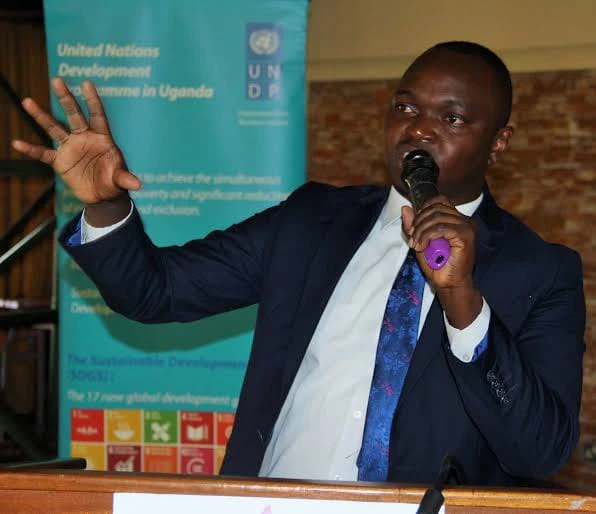
According to Masaba, the Institution's approach to development will begin with extensive consultation and planning, followed by mobilization and financing of the plan, implementation of agreed priorities, continuous monitoring of progress, and eventual evaluation of outcomes and impacts.
"Finalization of the Umukuuka Strategic Plan is the first step of our systematic approach to achieving the vision set out by HRH Umukuuka Sir Jude Mike Mudoma III," Masaba said.
He explained that the strategic plan is intended to serve as a landmark tool for guiding the allocation of resources and ensuring that development programmes reach communities across Bugisu, particularly the most vulnerable.
The plan is expected to be implemented through five annual budgets, with the Institution exploring a combination of traditional and non-traditional sources of financing.
Masaba said the financing options will include proceeds from investments, grants, donations, royalties and carefully considered borrowing, alongside partnerships between the public and private sectors.
He emphasized that financial accountability will remain central to the implementation of the plan, noting that the Institution has already approved Financial Management Guidelines to regulate the use of resources, procurement, accounting, reporting and evaluation.
The Minister said the guidelines will help ensure that resources mobilized for the development of Bugisu are properly managed and that the public can track the results and impact of programmes implemented under the strategic plan.
Government Support and Bugisu Transformation Agenda
Masaba also revealed that the Institution has received Shs100 million from Gen. Salim Saleh to facilitate a survey on Arabica coffee production in the Bugisu region.
The survey is expected to provide important information on the potential of Arabica coffee growing in Bugisu and help inform the development of broader investment and funding priorities under the Bugisu Transformation Agenda (BUTRA).
Masaba said he was part of the delegation from Bugisu that recently met Gen. Salim Saleh to discuss the transformation agenda, which brings together the Institution of the Umukuuka and the Government of Uganda in pursuit of development interventions for the region.
He described the Shs100 million support for the coffee survey as an important starting point in preparing the ground for a much larger development programme whose funding priorities are estimated at about Shs300 billion.
The planned survey is expected to generate data that can guide future interventions in the coffee sector, including production, value addition, market access and investment.
Arabica coffee is among Bugisu's most important agricultural products and a major source of household income for many communities in the region. The proposed focus on the sector is therefore seen as an opportunity to strengthen the economic position of farmers while supporting wider transformation.
The broader Shs300 billion development plan, as presented by the Institution, is expected to target multiple priority areas identified in the strategic plan, although the exact allocation and implementation framework for the proposed funding will depend on the finalization of the relevant government-supported programmes and priorities.
Ten Priority Areas for Bugisu
The five-year strategic plan identifies ten key result areas that will form the foundation of the Institution's development programmes.
The first priority is the promotion of Bugisu's culture, tourism and history, with an emphasis on protecting the region's cultural identity while using its heritage to promote tourism and economic development.
The second area is agriculture, trade and market access for Bugisu products. This is expected to focus on improving agricultural productivity, strengthening value chains and helping producers access better and more reliable markets.
Natural resource management and environmental sustainability constitute the third priority, reflecting the need to protect Bugisu's natural resources and address environmental challenges affecting communities.
The plan also prioritizes human capital development, recognizing the importance of education, skills development and capacity building in accelerating social and economic transformation.
Financial inclusion and wealth creation for poverty alleviation form another key area, with the Institution seeking to support initiatives that expand access to financial opportunities and enable communities to build sustainable livelihoods.
Investment promotion is also highlighted as a critical driver of development, with the Institution intending to create an environment that attracts investments capable of generating employment and expanding economic opportunities.
Science, Technology and Innovation is another priority, aimed at promoting the use of modern knowledge and innovation to address development challenges and improve productivity.
The plan further identifies the resettlement of people and restoration of fragile ecosystems as an important intervention, alongside infrastructure development and the strengthening of assets and systems of the Cultural Institution.
The tenth priority is the Umukuuka III Community Outreach and Corporate Social Responsibility programme, which is intended to strengthen the Institution's engagement with communities and support social development initiatives.
Culture and Development to Move Together
The strategic plan emphasizes that the preservation of Bugisu's cultural heritage should go hand in hand with economic and social development.
It recognizes indigenous knowledge systems—including traditional agricultural practices, medicinal knowledge and ecological wisdom—as valuable resources that have supported Bamasaaba communities for generations.
The plan also identifies music as an important component of Bugisu's cultural identity, noting its role not only in entertainment but also in preserving history and transmitting moral and social values.
Oral history, including stories and legends passed down through generations, is similarly regarded as a living record of the community's past, ethics and philosophy.
Cultural ceremonies such as Imbalu are also recognized as important events that strengthen community bonds, reinforce cultural identity and facilitate the transmission of traditions from one generation to another.
The Institution says cultural preservation will therefore be pursued alongside programmes aimed at improving the livelihoods and prosperity of the Bamasaaba people.
Partnerships to Drive Implementation
The strategic plan proposes a partnership-based approach to financing and implementing development programmes.
The Institution intends to work with educational institutions, local and international cultural organizations, government agencies and other partners to mobilize resources and technical expertise.
The plan also proposes capacity-building programmes for cultural practitioners and young people in areas such as traditional arts, storytelling and indigenous knowledge management.
The Institution will further advocate for policies that recognize cultural preservation as an important component of Uganda's national development agenda.
Monitoring and evaluation will be conducted throughout the implementation period, including mid-term and end-term assessments.
These processes are intended to measure the impact of programmes, identify challenges and enable the Institution to adjust its strategies where necessary.
Masiga Calls for Unity and Cooperation
Meanwhile, Hon. Steven Masiga, spokesperson for the Institution of the Umukuuka, said the proposed government support and development initiatives could significantly change the fortunes of Bugisu if properly implemented.
Masiga said the region needs unity and collective action to mobilize communities and ensure that development opportunities translate into tangible improvements in people's lives.
He called on the Bamasaaba to work closely with the Government of Uganda, local governments and existing clan structures to advance development programmes across the region.
"Bugisu region will never be the same with this support when it arrives," Masiga said, emphasizing the need for unity in mobilizing communities for development.
He said the Institution would continue working with government and local leadership structures to ensure that development initiatives are coordinated and reach communities across Bugisu.
The finalization of the 2025–2029 Strategic Development Plan, combined with the proposed Bugisu Transformation Agenda and the initial Shs100 million support for the Arabica coffee survey, represents a new phase in the Institution's efforts to pursue structured development planning.
For the Institution of the Umukuuka, the immediate task now is to translate the strategic plan from a policy document into concrete programmes, mobilize the required resources, maintain accountability and build partnerships capable of delivering sustainable results.
If successfully implemented, the plan's architects believe it could provide a coordinated framework for unlocking Bugisu's potential in agriculture, culture, tourism, trade, investment and human development while strengthening the cultural identity and economic wellbeing of the Bamasaaba people.
Here is the strategic plan below:

John Kusolo is a Pastor, Sports Enthusiast and Ugandan journalist with Nile Chronicles News (NCN). With a strong commitment to journalistic excellence, he is recognized for his dedication, goal-oriented approach, and ability to thrive in challenging environments. Kusolo brings focused motivation and professionalism to his reporting and media assignments.










Comments (0)