
Engineers Challenge Uganda to Turn Waste Crisis into Economic Opportunity
Uganda’s engineers are calling for practical, locally developed solutions to the country’s growing waste challenge, with UIPE President Eng. Peterson Mwesiga urging stronger cooperation with KCCA and support for initiatives such as National Cleaning Day
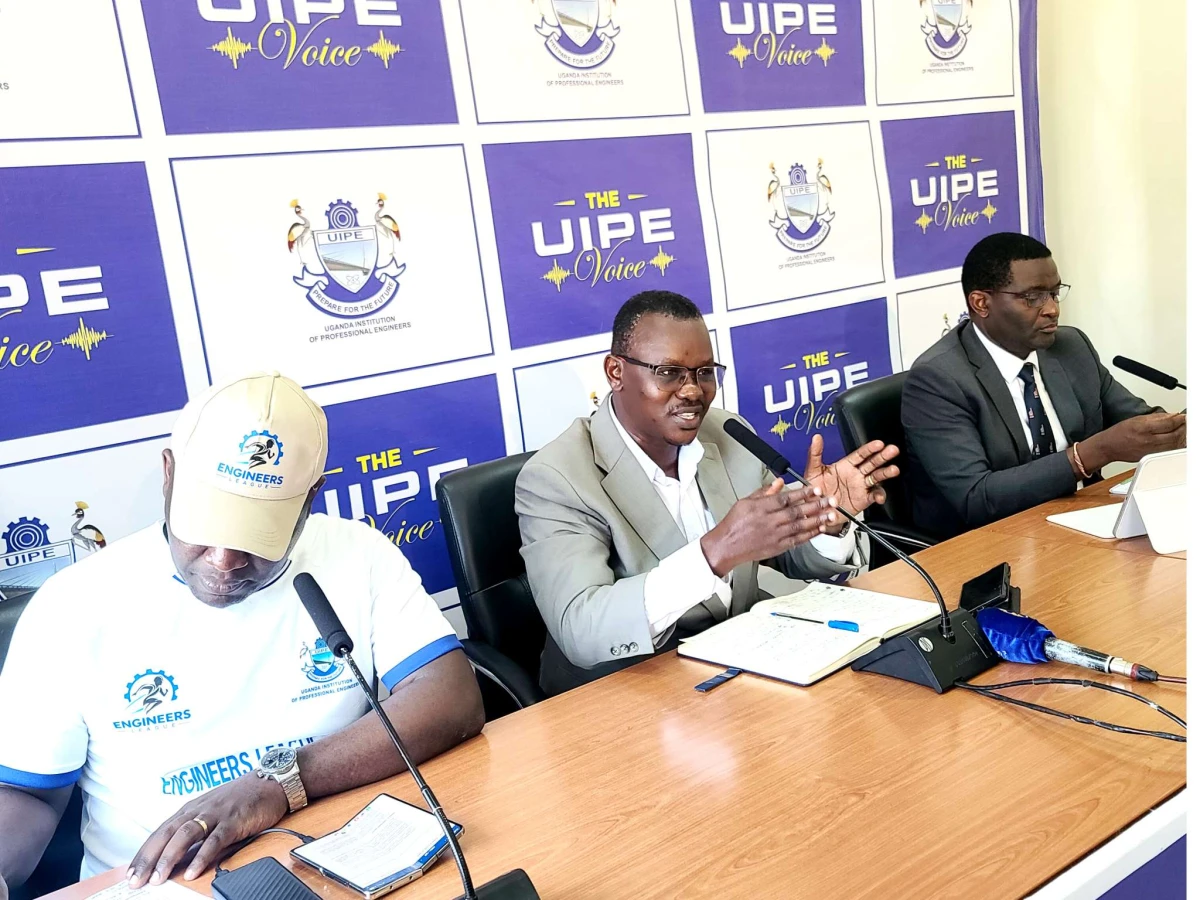
KAMPALA — Ugandan engineers have called for a more practical and collaborative approach to waste management, urging professionals to showcase locally developed innovations while Government and city authorities strengthen systems for collection, separation, treatment and recycling.
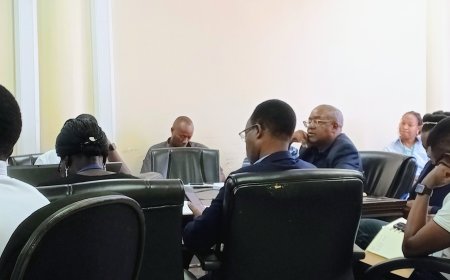
The call was made Thursday, at UIPE offices, during the Uganda Institution of Professional Engineers (UIPE) engagement with the media under the theme “Making Our Cities Work Better: Rethinking Waste and Sanitation,” where experts examined how engineering and innovation can help address Uganda’s growing urban waste problem.
Prof. Charles Niwagaba, a Civil and Environmental Engineering expert at Makerere University, challenged engineers, scientists and academics to take greater responsibility for demonstrating the solutions they develop instead of waiting for Government to discover and fund their innovations.
He said some potentially useful technologies remain unknown because their developers have not done enough to exhibit, market and demonstrate their effectiveness.
“If we are to say that the government is not picking up what we are doing, yes, they might not be picking up because they don't know,” Prof. Niwagaba said.
He urged professionals to organise exhibitions, open days and demonstrations where they can present their technologies and explain how they can solve problems affecting communities and public institutions.
“Let us show our work. Let us exhibit it. Let's go out there and demonstrate. Let us show that we have solutions,” he said.
Prof. Niwagaba drew from his experience in Europe, where he pursued his PhD in Sweden, saying countries now recognised for effective waste management did not develop their systems overnight.
He said he became interested in Sweden’s waste separation system and discovered that several European countries had struggled with serious waste problems in the decades following the Second World War.
According to him, it took years of deliberate investment, public sensitisation and behavioural change for effective waste separation systems to become established.
He said Uganda should therefore not abandon waste separation because it has not yet achieved the desired standards. “We can start. We just don’t need to say that because we have not managed to sort it, therefore we remain like that."
Prof. Niwagaba revealed that he separates solid waste at his own home, encouraging other professionals and members of the public to adopt practical measures and lead by example. “If anybody is interested, come to my home and see how we do it,” he said.
He also urged engineers and other specialists to take advantage of opportunities created by Government agencies seeking solutions to urban challenges.
He cited an expression of interest by the Kampala Capital City Authority seeking solutions related to the closure of the Kiteezi landfill and sustainable waste management.
Prof. Niwagaba said such opportunities should encourage professionals from different disciplines to work together and develop solutions that can be presented and defended before Government and other potential investors.
“Any engineer, any biologist, any chemist can come up and team up together, then bring a solution and go and defend it,” he said.
He, however, cautioned that Government cannot be expected to invest heavily in innovations whose effectiveness has not been demonstrated. “It is going to be difficult for the government to throw out money to us when we have not been able to show our capabilities and what we can do,” he said.
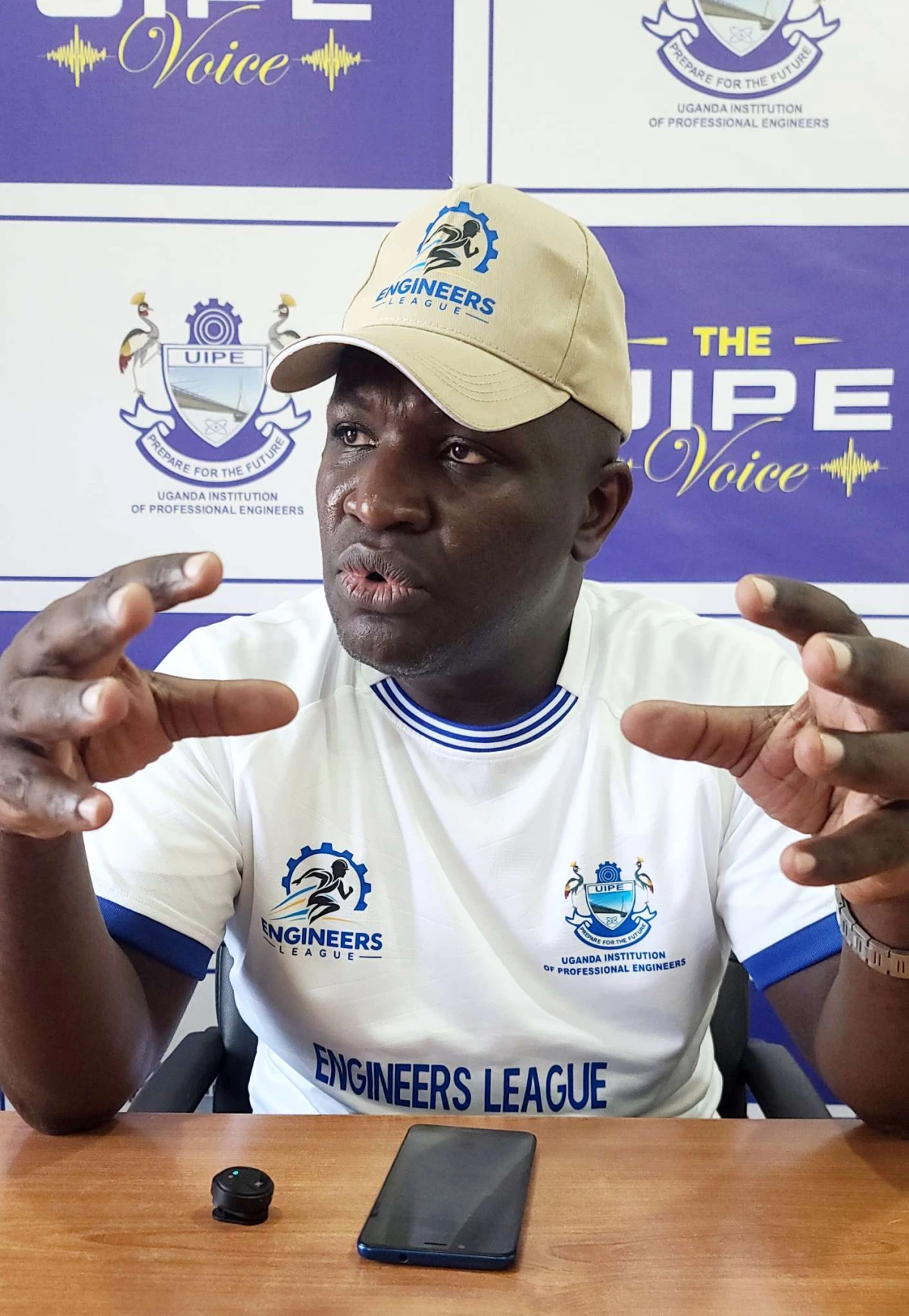
UIPE President Eng. Peterson Mwesiga said the engineering profession was particularly concerned about waste management in Kampala, given the capital’s rapid growth and the scale of the sanitation challenges.
“We have discussed the issue of waste management today as engineers and it should be handled, especially around Kampala as the capital, of course partnering with KCCA,” Eng. Mwesiga said.
Although other cities also face waste management challenges, Mwesiga said Kampala could provide an important case study from which solutions could later be adapted elsewhere.
“Though we may have other cities, Kampala would be a better case study, especially if there have been challenges in Kampala, they should be contained,” he added.
Mwesiga also welcomed the Government’s National Cleaning Day initiative, saying UIPE is ready to participate in efforts to improve cleanliness and sanitation.
“As UIPE, we appreciate the government initiative of National Cleaning Day every last Saturday and we pledge full participation,” he said.
Furthermore, he cautioned that waste management should go beyond simply collecting garbage and transporting it to disposal sites, arguing that greater attention should be placed on recovering value from waste.
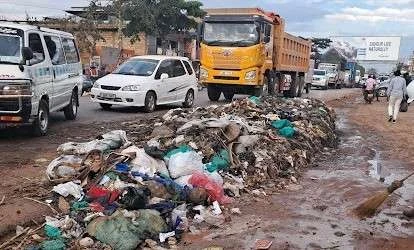
He noted that a large proportion of waste collected in Uganda contains moisture, which can make incineration expensive because of the energy required to remove the moisture before combustion.
Mwesiga therefore called for alternative mechanisms to dry, separate and process waste so that useful materials and other forms of value can be recovered.
The two engineers' remarks point to a broader shift in Uganda’s waste debate from viewing garbage primarily as a sanitation burden to treating it as a potential resource that can support innovation, employment and economic activity.
Prof. Niwagaba said the transformation, however, will require patience, public education and sustained action.
He argued that Uganda should begin with achievable interventions, demonstrate what works and gradually scale up successful approaches rather than waiting for a perfect system before taking action.
For UIPE, the challenge now is to ensure that engineering expertise is translated into practical solutions while strengthening cooperation between professionals, KCCA, Government agencies, communities and private-sector players.
The discussions also highlighted the need for Ugandan innovators to become more proactive in presenting their solutions, particularly as Government institutions increasingly seek technical responses to challenges such as waste management, sanitation and urban growth.

Benjamin Mwibo is a talented, passionate and creative journalist with a commitment to high quality out put that is factual and researched. Above all Dedicated with a strong desire to identify the truth of the matter.










Comments (0)