
Hon. Aisha Sekindi Leads National Dialogue on Climate-Resilient Water and Sanitation
In her remarks, Hon. Aisha Sekindi emphasized the government's commitment to ensuring that every Ugandan has access to safe, reliable and climate-resilient water and sanitation services despite the growing impacts of climate change.
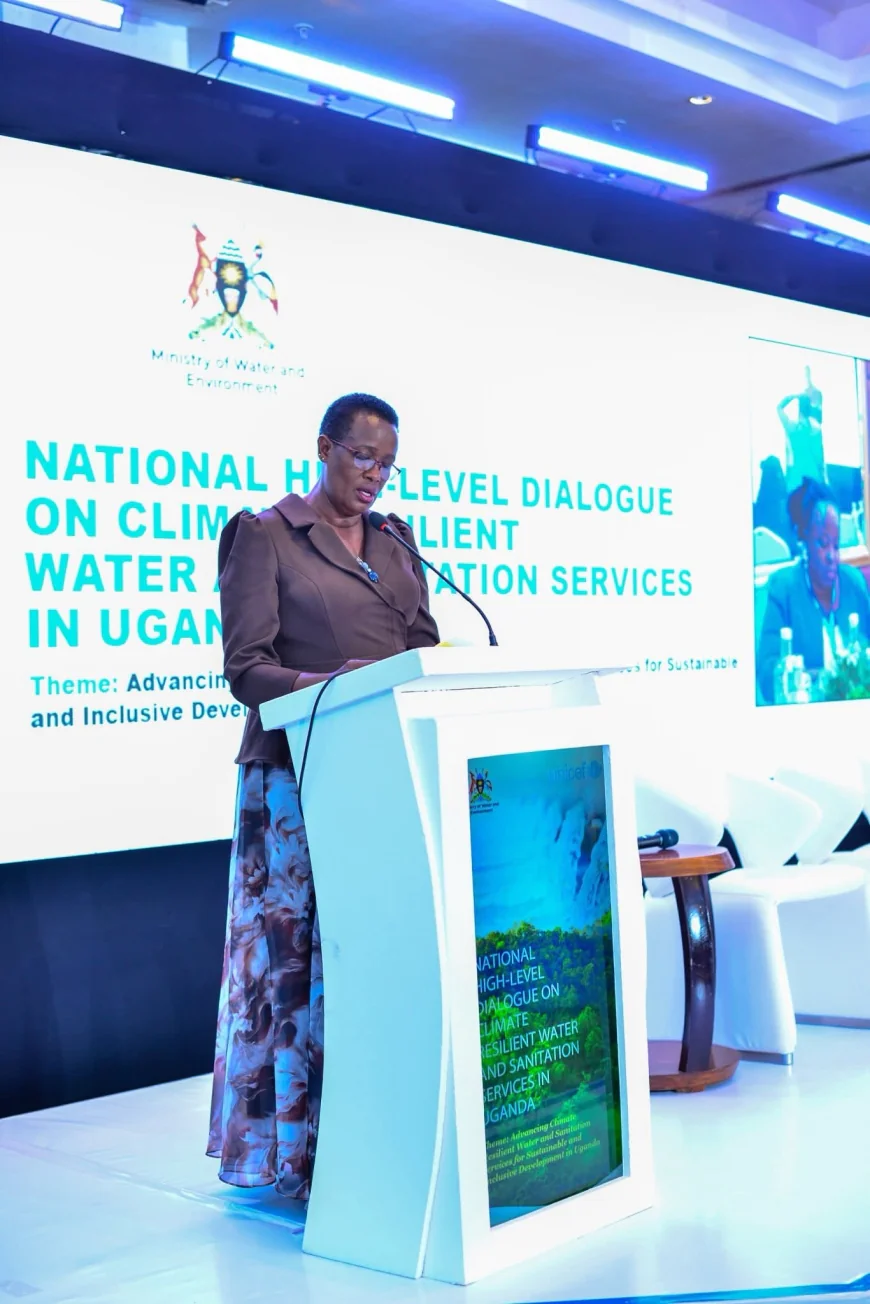
KAMPALA, Uganda – The Ministry of Water and Environment, in collaboration with the United Nations Children's Fund (UNICEF), has reaffirmed Uganda's commitment to building climate-resilient water and sanitation systems following a two-day National High-Level Dialogue on Climate Resilient Water and Sanitation Services held from June 24–25, 2026, at the Sheraton Kampala Hotel.
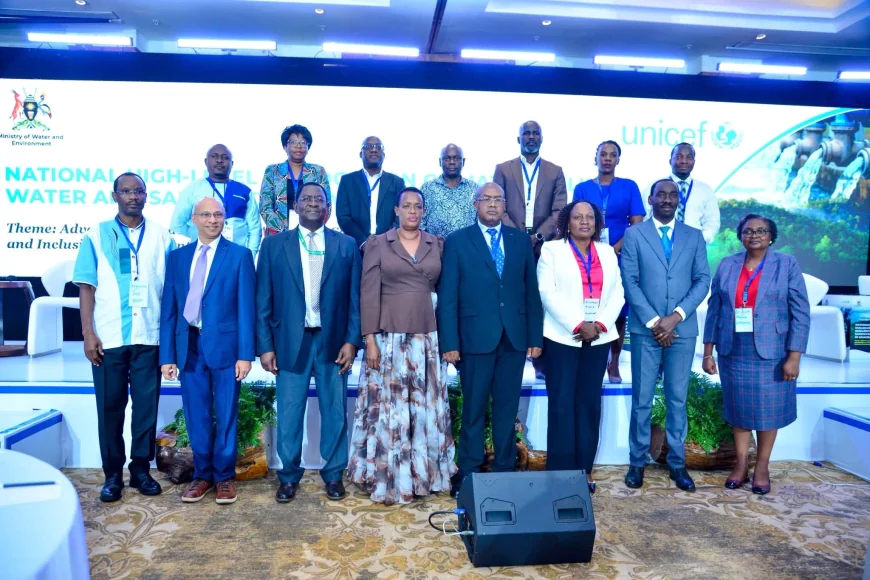
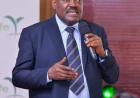
The high-level dialogue, officially presided over by the Minister of State for Water, Hon. Aisha Sekindi, on behalf of the Minister of Water and Environment, Hon. Maj. Gen. Kahinda Otafiire, brought together government leaders, development partners, civil society organizations, academia, private sector representatives and water, sanitation and hygiene (WASH) experts to chart a common path towards sustainable and inclusive water and sanitation services in Uganda.
The meeting came at a critical time as Uganda continues to face increasing climate-related challenges, including prolonged droughts, floods, unpredictable rainfall patterns and environmental degradation, all of which continue to threaten access to safe water and sanitation, particularly among vulnerable communities.
In her remarks, Hon. Aisha Sekindi emphasized the government's commitment to ensuring that every Ugandan has access to safe, reliable and climate-resilient water and sanitation services despite the growing impacts of climate change.
She noted that strengthening resilience within the WASH sector is essential not only for improving public health but also for safeguarding livelihoods, protecting ecosystems and promoting sustainable socio-economic development.
The dialogue served as a strategic platform for stakeholders to assess the progress Uganda has made in implementing climate-resilient WASH interventions, identify persistent challenges hindering service delivery and develop practical recommendations to accelerate implementation across the country.
Participants reviewed existing policies, financing mechanisms, technological innovations and institutional arrangements while exploring new opportunities for partnerships and investments that can strengthen resilience in water and sanitation infrastructure.
The discussions focused on promoting sustainable, inclusive and equitable access to water and sanitation services, particularly for women, children, persons with disabilities and communities most vulnerable to climate change.
Stakeholders acknowledged that while Uganda has registered significant progress in expanding water and sanitation coverage over the years, climate variability continues to pose serious risks to service reliability, infrastructure sustainability and water resource management.
They therefore underscored the need for stronger coordination among government institutions, local governments, development partners and communities in implementing climate-smart solutions.
A major outcome of the dialogue was the shared commitment among sector actors to strengthen reforms, enhance financing, scale up innovative technologies and deepen collaboration in delivering resilient WASH services capable of withstanding the impacts of climate change.
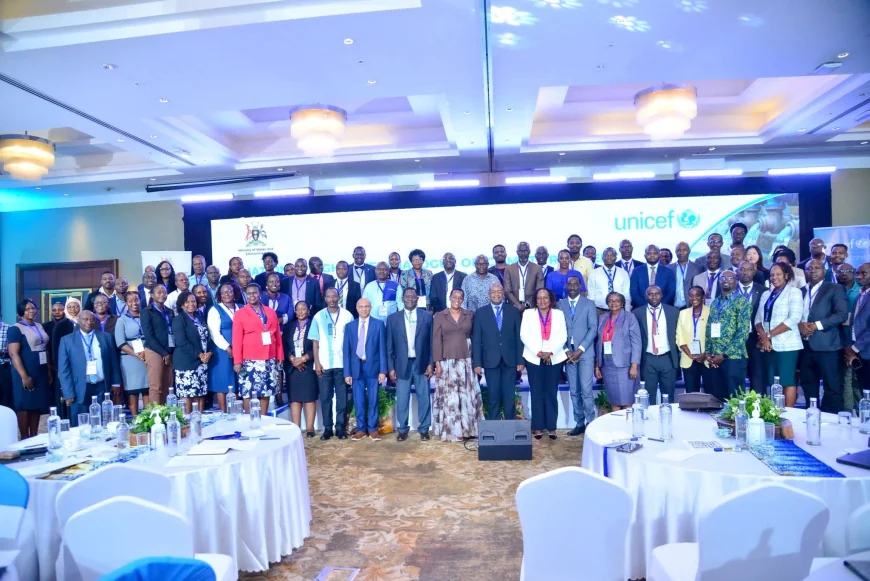
Participants also highlighted the importance of integrating climate adaptation measures into water and sanitation planning, strengthening data systems for informed decision-making and investing in resilient infrastructure capable of serving growing populations under changing climatic conditions.
The dialogue further reaffirmed the importance of leveraging partnerships between government and development agencies such as UNICEF in mobilizing technical expertise, financial resources and innovative approaches to improve access to safe water and sanitation across Uganda.
The recommendations emerging from the meeting are expected to inform Uganda's contribution to several international and regional engagements, including the United Nations 2026 Water Conference and activities marking the African Union Year on Water and Sanitation.
Officials observed that these global platforms present an opportunity for Uganda to showcase its progress, share best practices and attract further investment towards achieving universal access to climate-resilient water and sanitation services.
The dialogue concluded with a renewed call for collective action, emphasizing that achieving sustainable WASH services requires coordinated efforts across all sectors, increased investments, policy reforms and active participation of communities.
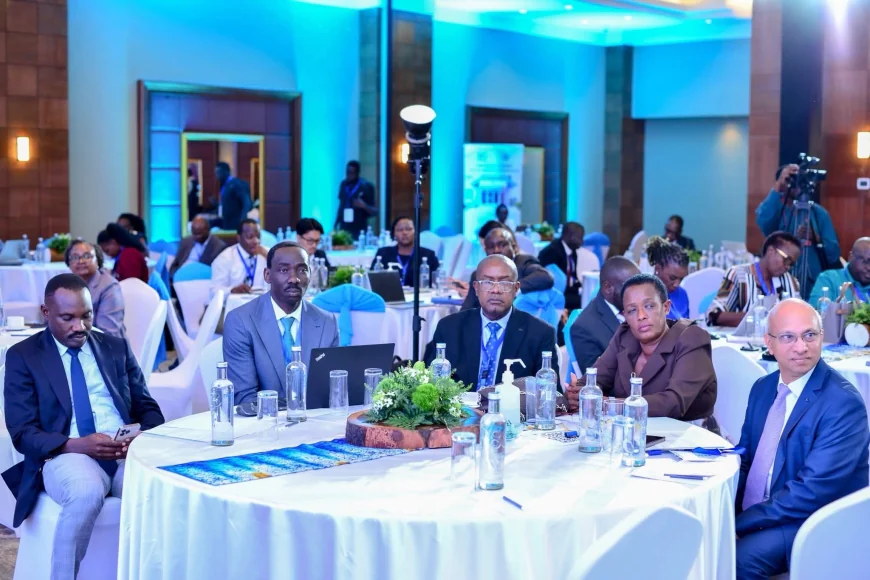
As Uganda continues implementing its national development agenda and climate adaptation strategies, stakeholders expressed optimism that the commitments made during the dialogue will accelerate progress towards ensuring every Ugandan enjoys equitable access to safe, sustainable and climate-resilient water and sanitation services, leaving no one behind.

John Kusolo is a Pastor, Sports Enthusiast and Ugandan journalist with Nile Chronicles News (NCN). With a strong commitment to journalistic excellence, he is recognized for his dedication, goal-oriented approach, and ability to thrive in challenging environments. Kusolo brings focused motivation and professionalism to his reporting and media assignments.










Comments (0)