
The Paradox of Preparation: Bukundika Ezra Challenges Africa's Culture of Living for Today at the Expense of Tomorrow
In the paper, Ezra argues that one of Africa's greatest developmental challenges is not merely the shortage of resources, but a widespread failure to prepare for inevitable uncertainties. He contends that while people intellectually acknowledge that life is temporary and unpredictable, their financial decisions often suggest the opposite.
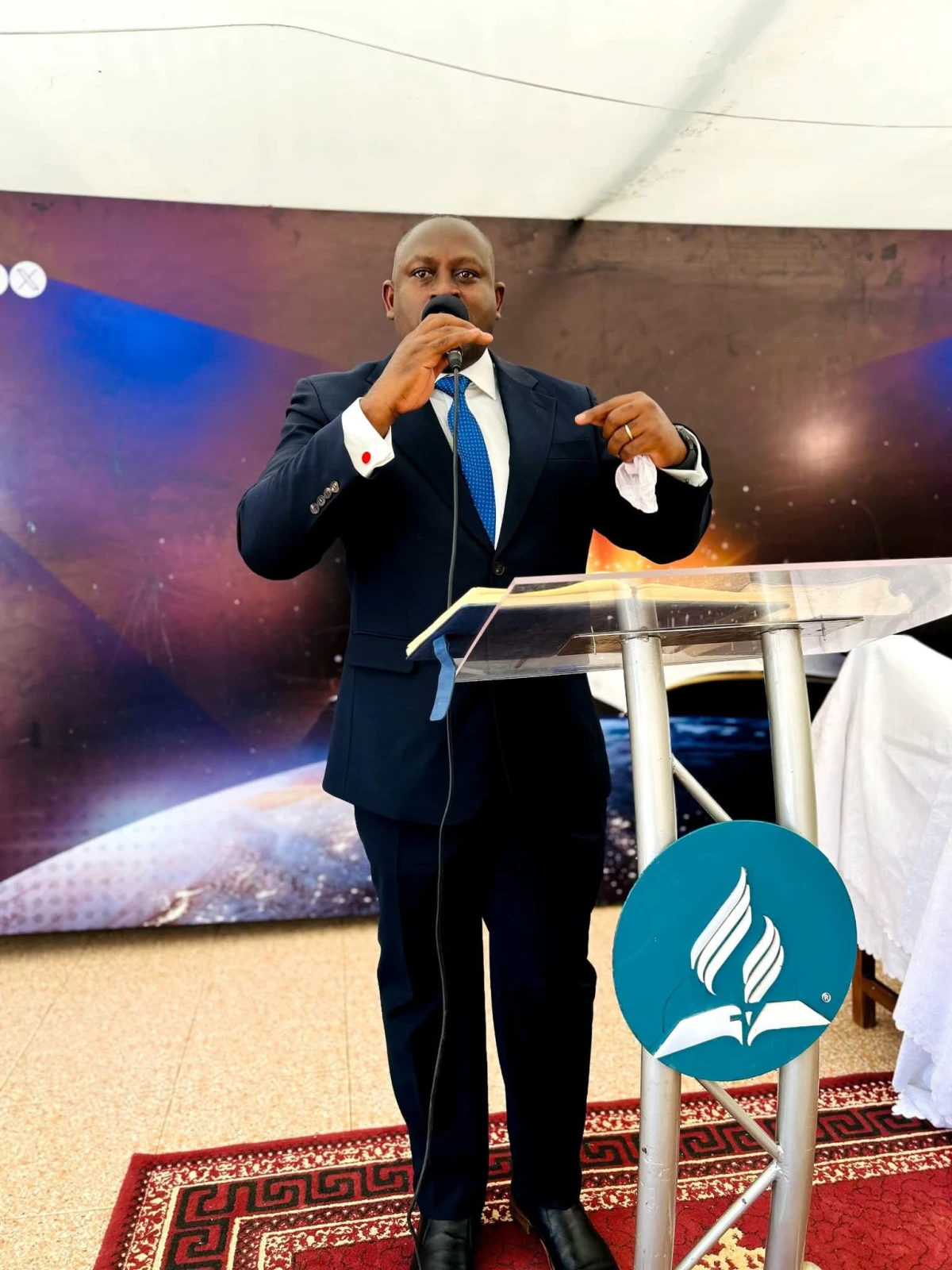
The Paradox of Preparation: Confronting the Illusion of Permanence in African Socio-Economic Life
BY BUKUNDIKA EZRA • COUNTRY DIRECTOR, FAMILY PEACE ASSOCIATION
Across Africa, millions of people wake up every day with dreams of prosperity, secure employment, and a better future for their families. Yet despite witnessing illness, death, unemployment, and economic hardship around them, many continue to live as though life will always remain stable. This contradiction is at the heart of a thought-provoking socio-economic paper by Bukundika Ezra, Country Director of the Family Peace Association, titled "The Paradox of Preparation: Confronting the Illusion of Permanence in African Socio-Economic Life."
In the paper, Ezra argues that one of Africa's greatest developmental challenges is not merely the shortage of resources, but a widespread failure to prepare for inevitable uncertainties. He contends that while people intellectually acknowledge that life is temporary and unpredictable, their financial decisions often suggest the opposite.
According to Ezra, many households, professionals, and communities continue to postpone meaningful financial planning, wealth creation, and risk management until disaster strikes. Instead of building long-term resilience, many rely on hope, luck, or the expectation that relatives, governments, donors, or well-wishers will eventually provide assistance during times of crisis.
The Illusion of Permanence
Ezra describes this mindset as "the illusion of eternal spring"—the belief that today's comfort, employment, income, or social status will continue indefinitely.
He points to public servants who become comfortable with permanent employment but fail to recognize that while a government position may be permanent, the individual occupying it is not. Death, illness, or retirement can occur unexpectedly, leaving families financially exposed if no succession plans, insurance, savings, or investments have been established.
He argues that many professional associations, family groups, and community organizations routinely ignore proposals aimed at creating welfare funds, investment portfolios, and long-term financial security. Such initiatives are often dismissed as secondary concerns until tragedy forces people to seek emergency support.
The "Leaking Basket" Syndrome
One of the paper's most striking concepts is what Ezra calls the "Leaking Basket Syndrome."
He explains that many people desire wealth but subconsciously resist retaining money. Rather than allowing savings and investments to accumulate, increased income is quickly consumed through lifestyle upgrades.
Examples include purchasing expensive vehicles immediately after receiving salary increments, moving into larger houses before building savings, enrolling children in costly schools without sustainable income, and expanding personal spending on fashion, entertainment, and social obligations.
As a result, even individuals earning relatively good incomes often finish each month with little or no financial cushion.
Ezra argues that this pattern explains why many people complain about economic hardship while restaurants, entertainment venues, concerts, and luxury markets continue to attract large crowds.
According to him, wealth cannot be built when income consistently flows out as quickly as it arrives.
When Crisis Meets Poor Preparation
The paper paints a sobering picture of how quickly financial instability can escalate.
Without emergency savings or insurance, illness or job loss often triggers a chain reaction of declining living standards. Families may be forced to downsize their homes, sell productive assets, accumulate debt, or depend entirely on relatives and charitable contributions.
Ezra warns that prolonged financial stress frequently extends beyond economics, affecting emotional well-being, family relationships, physical health, and personal dignity.
He stresses that preparation should never be viewed as a luxury reserved for the wealthy but as a fundamental requirement for every household.
Research Supports the Argument
Ezra supports his observations by drawing on insights from behavioral economics and international financial research.
He references the concept of present bias, popularized by Nobel Prize-winning economist Richard Thaler, which explains why people naturally prioritize immediate gratification over future security.
He also cites findings from the World Bank and Global Findex that show while informal savings groups are widespread across Sub-Saharan Africa, long-term asset accumulation and emergency preparedness remain comparatively low. Consequently, unexpected health emergencies and family bereavements continue to push millions of households back into poverty because they rely heavily on borrowing rather than pre-arranged financial protection.
At the same time, Ezra notes that communities with structured cooperative investment models—including organized welfare funds and income-generating community assets—have demonstrated greater resilience during periods of crisis by protecting vulnerable families from immediate economic collapse.
A Ten-Point Blueprint for Change
To reverse what he describes as a culture of reactive living, Ezra proposes ten guiding principles aimed at strengthening household and community resilience.
These include acknowledging human mortality through estate planning and wills, cultivating a saving rather than spending mentality, delaying lifestyle expansion after salary increases, treating welfare and savings schemes as essential household expenses, building emergency funds capable of sustaining families for several months, rejecting dependency on external rescuers, reducing unnecessary luxury spending, establishing structured family governance systems, diversifying sources of income beyond formal employment, and intentionally building generational wealth rather than short-term consumption.
Collectively, the recommendations encourage Africans to shift from merely earning income toward preserving and multiplying assets that can support future generations.
From Reflection to Action
Beyond theory, Ezra concludes with practical recommendations for households and communities.
He encourages families to conduct regular financial audits to identify wasteful expenditure and redirect resources into productive investments. He also calls on citizens to actively participate in structured savings groups, cooperatives, and investment clubs that focus on wealth creation rather than emergency fundraising alone.
The paper further emphasizes the importance of preparing wills, succession plans, and legal directives while encouraging professionals, religious leaders, and community elders to promote financial literacy and long-term planning within their respective institutions.
According to Ezra, transforming Africa's economic future requires changing both financial behavior and cultural attitudes toward preparation.
A Call for a Cultural Shift
At its core, The Paradox of Preparation is a call for Africans to rethink how they define security and success.
Rather than measuring achievement through visible consumption or social status, Ezra advocates for a culture that values preparedness, disciplined saving, productive investment, family governance, and generational legacy.
His message is that while no one can eliminate uncertainty from life, individuals and communities possess the power to reduce its devastating impact through intentional planning and responsible financial stewardship.
As Ezra concludes, societies may not control every circumstance that life presents, but they can control the choices they make today—choices that determine whether future generations inherit vulnerability or lasting prosperity.

John Kusolo is a Pastor, Sports Enthusiast and Ugandan journalist with Nile Chronicles News (NCN). With a strong commitment to journalistic excellence, he is recognized for his dedication, goal-oriented approach, and ability to thrive in challenging environments. Kusolo brings focused motivation and professionalism to his reporting and media assignments.















Comments (0)