
As Eastern Wildlife Centre Nears Opening, Steven Masiga Urges Communities to Refrain from Eating Monkeys
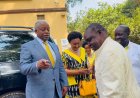
The spokesperson of the Bugisu Cultural Institution, Hon. Steven Masiga, has called upon residents of Bududa and the wider Bugisu region to stop hunting and eating wild animals such as monkeys and instead embrace wildlife conservation as a source of tourism and economic development.
The spokesperson of the Bugisu Cultural Institution, Hon. Steven Masiga, has called upon residents of Bududa and the wider Bugisu region to stop hunting and eating wild animals such as monkeys and instead embrace wildlife conservation as a source of tourism and economic development.
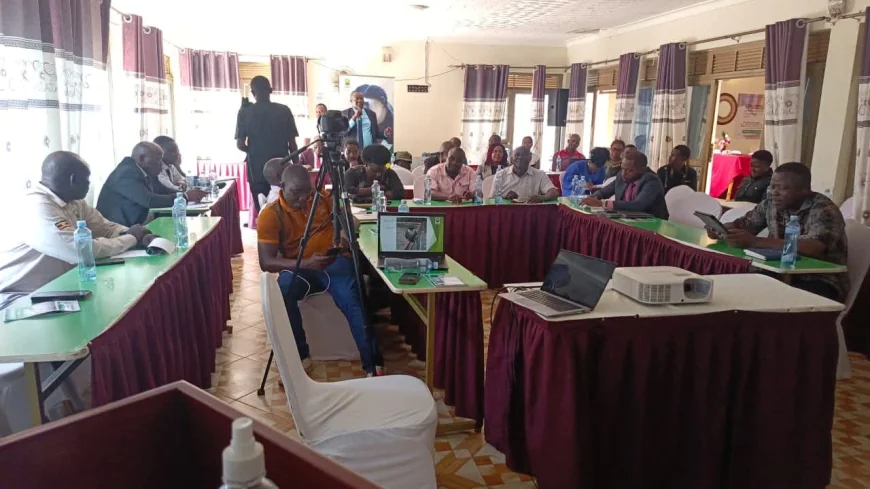
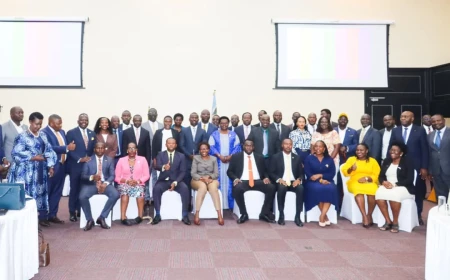
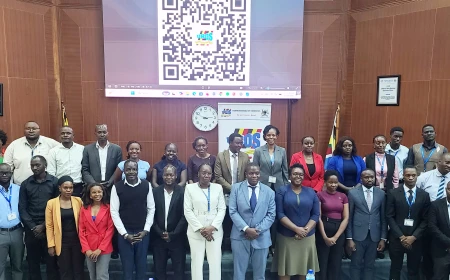
Masiga made the remarks at the sidelines of a stakeholders’ sensitization meeting held on Thursday, 4th June, at Dream Palace Hotel in Mbale City ahead of the official opening of the Eastern Uganda Wildlife Education Centre scheduled for 12th June.
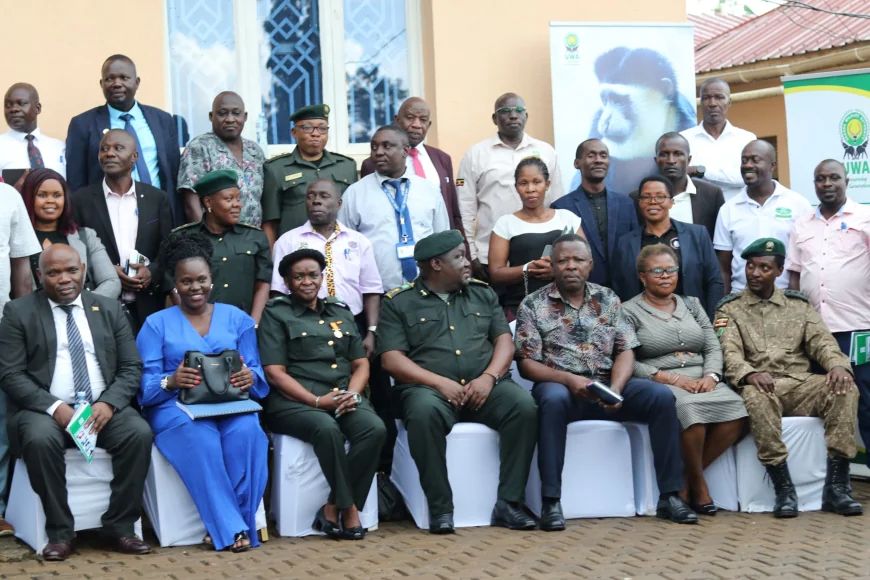
The meeting brought together several prominent leaders and stakeholders, including cultural ministers from the Bugisu Cultural Institution, clan chairpersons, security officials, political leaders, officials from the Uganda Wildlife Authority (UWA), Uganda Wildlife Education Centre (UWEC), and representatives from the Ministry of Tourism.
During the engagement, Masiga proposed that some animals at the new wildlife conservation facility be named in honour of the Umukuka of the Bamasaba, His Highness Jude Mike Mudoma, arguing that such recognition would strengthen cultural pride and encourage local communities to value wildlife conservation.
“The zoo is situated on land associated with the Umukuuka, and it would be important to have some animals named after him as a sign of honour and cultural identity,” Masiga said.
He explained that in many countries across the world, animals and species have been named after kings, queens, and other prominent cultural figures.
“In several countries, royals have animals named after them. Even King Charles has species named after him. In Ecuador, for example, there is a frog named after King Charles,” Masiga noted.
Masiga specifically suggested that strong and symbolic animals such as lions, elephants, buffaloes, and monkeys could be named after the reigning Umukuka of the Bugisu Cultural Institution.
“We need strong masculine animals like lions, elephants, buffaloes, and monkeys named after Umukuka. But we must avoid naming weak or female animals after him,” he said humorously, attracting laughter from participants.
The outspoken cultural spokesperson also used the occasion to caution communities in Bududa and other parts of Bugisu against viewing wildlife merely as food.
“My people here eat animals, and I must warn you honourable members. We should stop looking at monkeys and buffaloes as sauce and instead see them as a tourism potential that can benefit our communities economically,” Masiga emphasized.
He further explained that naming some animals after the Umukuuka would psychologically discourage people from harming or eating them because community members would associate the animals with their cultural leader.
“When we name animals after Umukuuka, people will fear eating them because it will be assumed they are eating the Umukuka,” he said.
Masiga also encouraged other prominent Bamasaba personalities and leaders to support the conservation centre and participate in initiatives aimed at promoting tourism and environmental protection in the region.
He assured officials from the wildlife agencies that the Bugisu Cultural Institution would actively mobilize local communities to participate in conservation efforts.
“We shall engage our people to ensure that they are fully involved in conservation because wildlife can become an important source of tourism revenue and development for our region,” he added.
The sensitization meeting was attended by several senior officials from the Uganda Wildlife Authority and the Uganda Wildlife Education Centre, institutions that were recently merged by government to strengthen wildlife conservation and education efforts.
Commissioner Musingo represented the Ministry of Tourism, while other officials included Mr. Matanda from the Mt. Elgon Conservation Area and Mr. Emmanuel Mukisa, among others, including the Head of the Eastern Wildlife Education Centre.
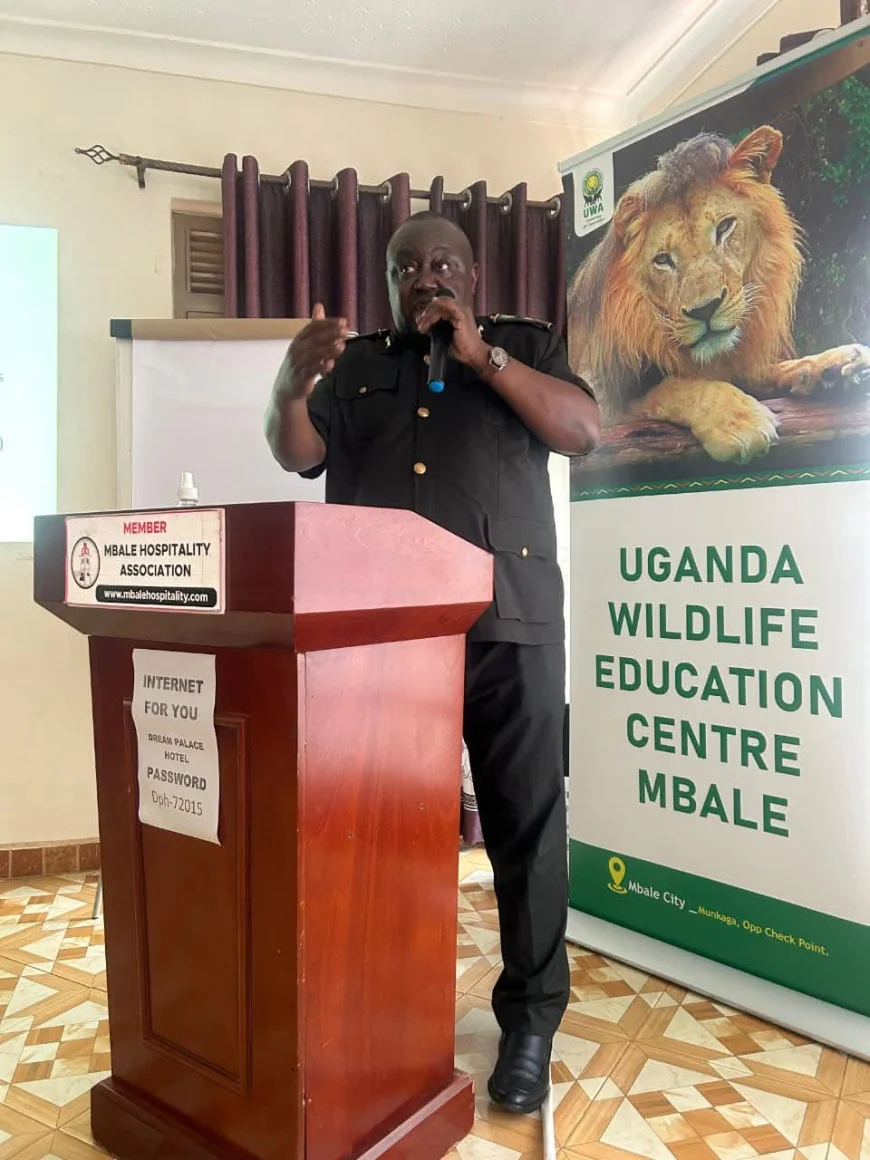
The Eastern Uganda Wildlife Education Centre is expected to become a major tourism attraction in the region, offering wildlife conservation education, tourism opportunities, and community engagement programmes aimed at preserving Uganda’s rich biodiversity.
Ahead of its official opening, UWA engaged stakeholders to introduce UWEC–Mbale and its role in conservation, education, tourism, and community development. Plans include expanding wildlife exhibits, creating jobs, supporting student internships, and establishing Mbale Botanic Gardens. The facility is set to boost conservation awareness and tourism in Eastern Uganda.
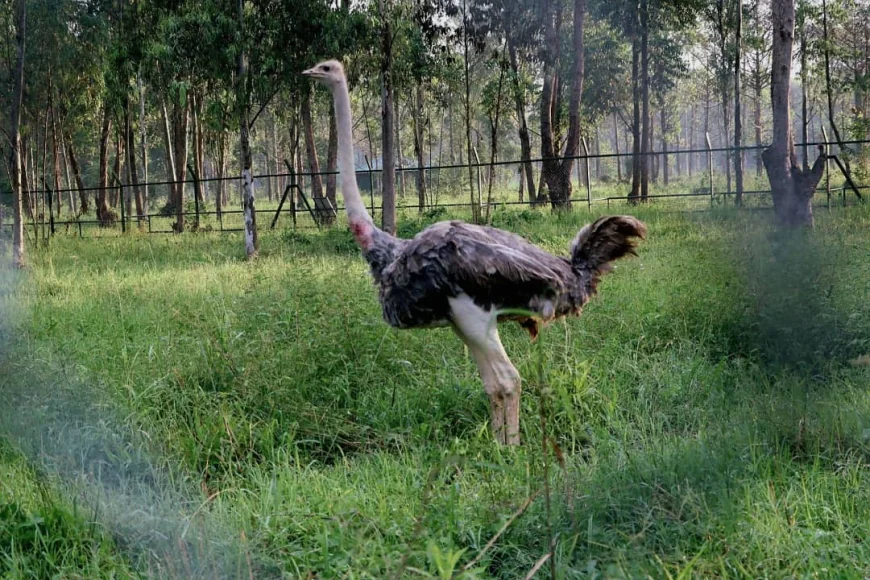
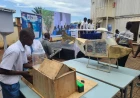
UWA begun relocating wildlife to Uganda’s first regional satellite zoo in Mbale. So far, lions, a zebra, a waterbuck, an ostrich, and peacocks are thriving in their new home.
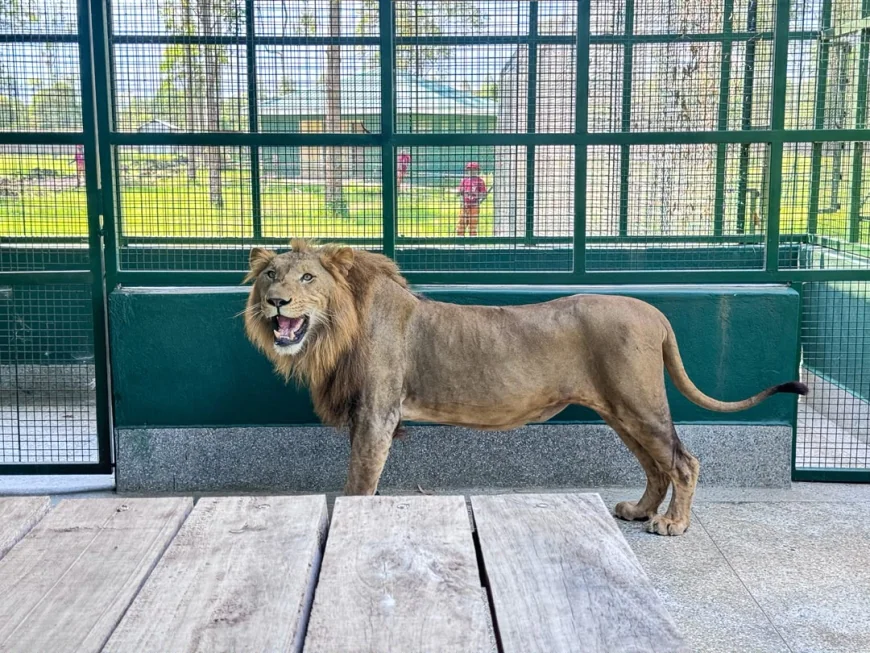
The project will bring wildlife conservation and education closer to communities across Eastern Uganda.

John Kusolo is a Pastor, Sports Enthusiast and Ugandan journalist with Nile Chronicles News (NCN). With a strong commitment to journalistic excellence, he is recognized for his dedication, goal-oriented approach, and ability to thrive in challenging environments. Kusolo brings focused motivation and professionalism to his reporting and media assignments.




Comments (0)