
President Museveni Urges Youth to Support Implementation of Development Programmes at Mukono Rally
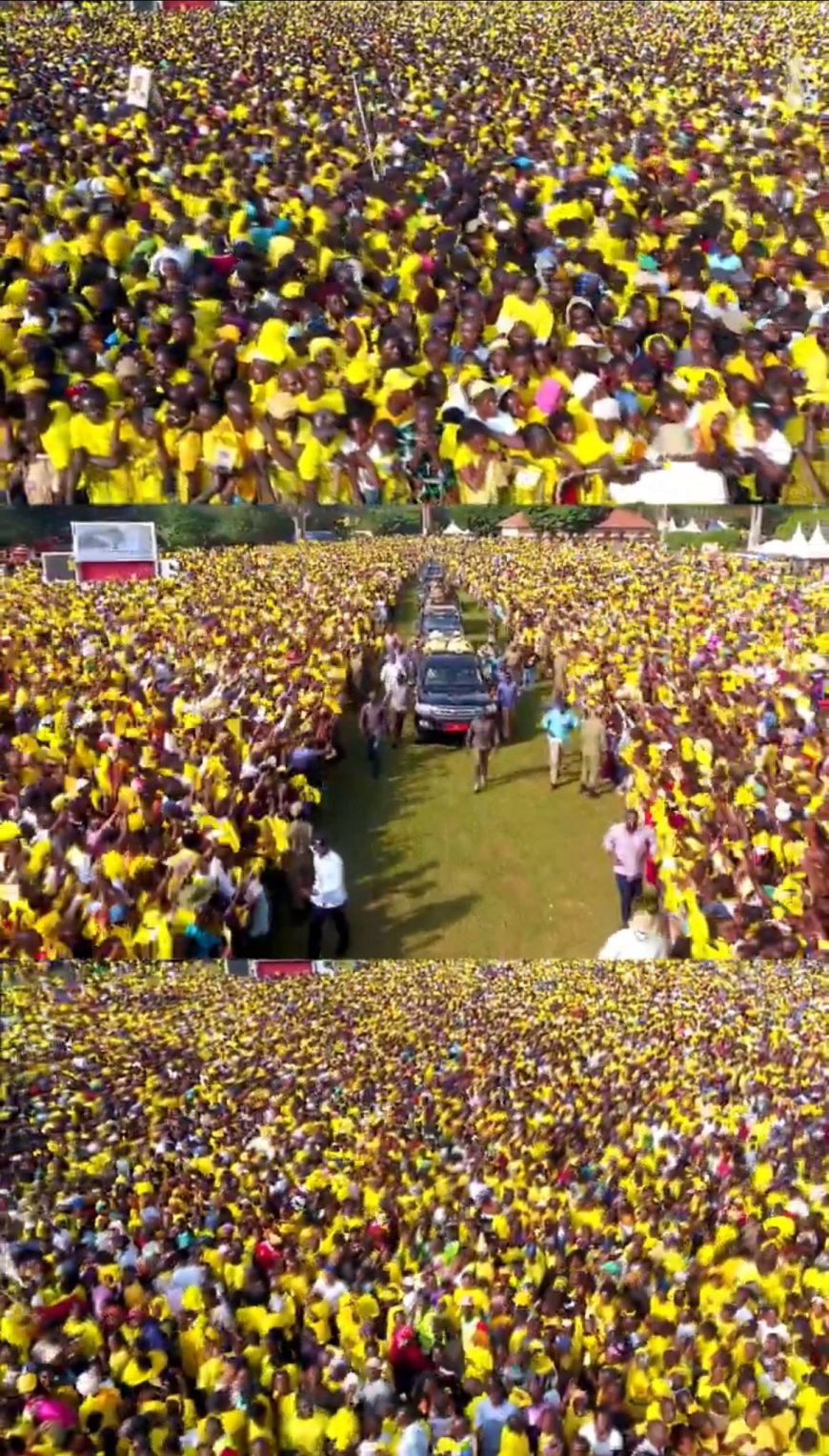
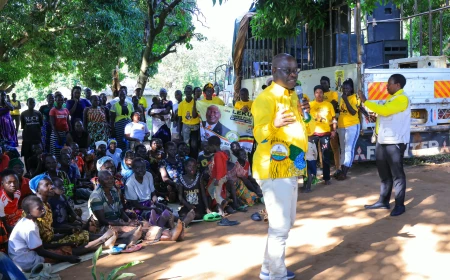
Addressing a large crowd that had gathered to welcome him, President Museveni expressed deep appreciation for the warm reception, saying the enthusiasm of the residents reaffirmed his administration’s resolve to deepen service delivery at the grassroots.
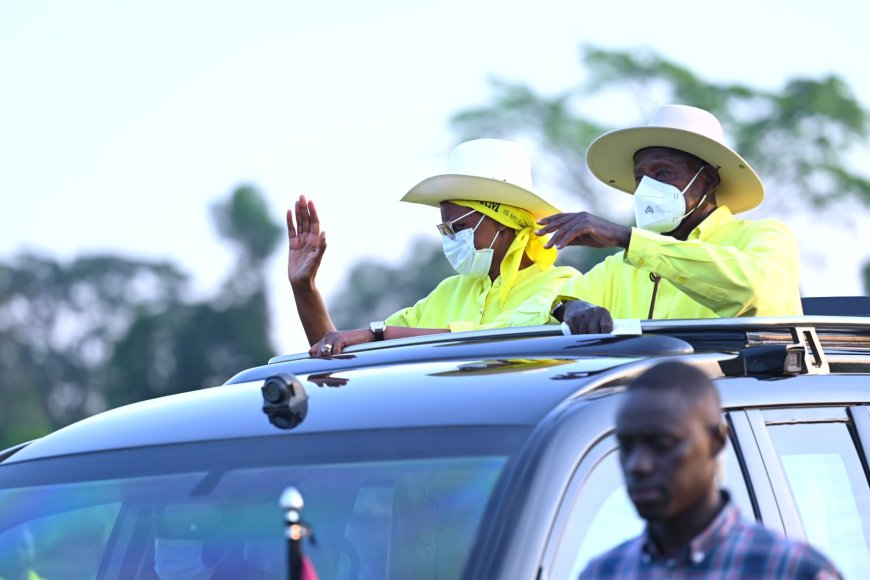
Mukono, Uganda — President Yoweri Kaguta Museveni on Friday delivered a forceful appeal to the people of Mukono District, underscoring the importance of committed leadership and active citizen participation in the successful implementation of government programmes.
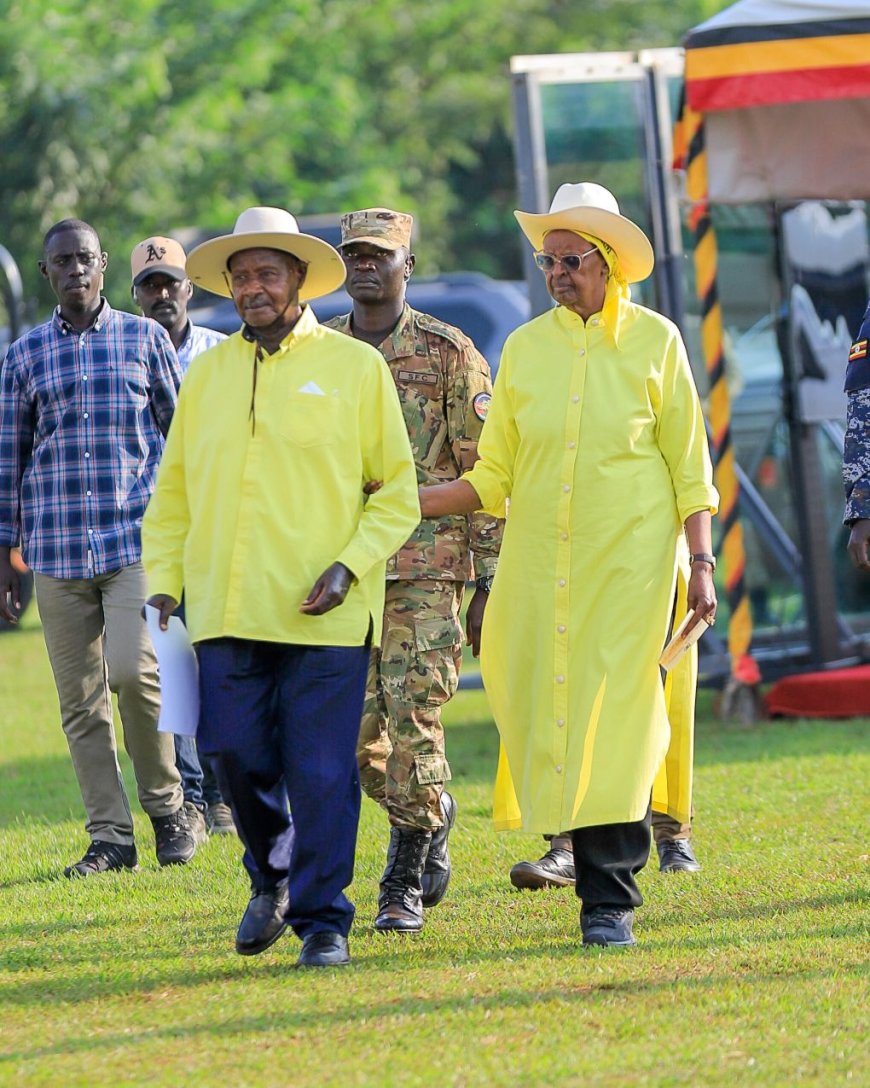
Addressing a large crowd that had gathered to welcome him, President Museveni expressed deep appreciation for the warm reception, saying the enthusiasm of the residents reaffirmed his administration’s resolve to deepen service delivery at the grassroots.
“I thank the people of Mukono for the warm welcome,” the President began, setting the tone for a message that combined gratitude with a strong call to action for both leaders and youth.
Leadership and Citizen Participation
At the heart of President Museveni’s address was a reflection on the essence of leadership. Drawing from his decades of political experience, he stated that true leadership goes beyond rhetoric — it must be grounded in identifying the real needs of the people and seeing through their resolution.
Using the Parish Development Model (PDM) as a central example, President Museveni emphasized that government programmes can only succeed when leaders take personal responsibility to supervise and follow up on implementation.
“Programmes like PDM depend on leaders to follow up and manage them properly,” he remarked, stressing that without diligent oversight and genuine political will, the intended benefits of development initiatives can fail to reach ordinary citizens.
Warning Against Undermining Government Efforts
President Museveni did not shy away from critiquing leaders who, in his view, undermine government efforts and allow implementation gaps to persist. He argued that such failures ultimately hurt the people who look to government interventions for improved livelihoods.
“When leaders undermine government efforts or fail to supervise implementation, the people suffer,” he noted, urging residents to hold their leaders accountable not just during campaign seasons but throughout their terms in office.
A Direct Appeal to the Youth
A significant portion of the President’s message was directed at Uganda’s youthful population. President Museveni acknowledged the energy and presence of young people in the crowd, but he challenged them to go beyond surface-level engagement.
“Youth should talk about vibe, yes,” he said, referring to the popularity and excitement surrounding political events, “but also attend meetings, engage in these programmes, and vote for leaders who deliver, not those who only talk.”
This, he explained, is critical in ensuring that the aspirations of young Ugandans are translated into real socioeconomic progress.
Looking Ahead: Buikwe Tomorrow
President Museveni concluded his address by previewing the next stop on his political outreach mission — Buikwe District, where he said he would address issues of land.
“Tomorrow in Buikwe, I will address the issue of land,” he said, acknowledging the growing concerns over land matters in various parts of the country and signaling that his engagement on key development and governance issues will continue.
Key Takeaways from the Mukono Rally
Leadership Matters: The President emphasized that proactive leadership is essential for effective service delivery and successful programme implementation.
Implementation over Rhetoric: Leaders are urged to go beyond campaign promises and ensure that development interventions such as the PDM reach intended beneficiaries.
Youth Engagement: Young Ugandans were challenged to be active participants in governance — attending meetings, engaging in public programmes, and voting wisely.
Continuing Outreach: The political engagement tour will progress to Buikwe District, with priority issues such as land on the agenda.

John Kusolo is a Pastor, Sports Enthusiast and Ugandan journalist with Nile Chronicles News (NCN). With a strong commitment to journalistic excellence, he is recognized for his dedication, goal-oriented approach, and ability to thrive in challenging environments. Kusolo brings focused motivation and professionalism to his reporting and media assignments.









Comments (0)