
Umukuuka wa Bugisu Issues Key Guidelines on 2026 Imbalu Processes
Imbalu, the traditional initiation of adolescent males into manhood, is held every even year and involves a series of elaborate rituals that are deeply rooted in the social, cultural, and historical identity of the Bagisu people. As 2026 is an Imbalu year, the Umukuuka has wished all Bagisu and other Bamasaaba a prosperous Imbalu season, while also expressing concern over emerging practices that require guidance and correction.
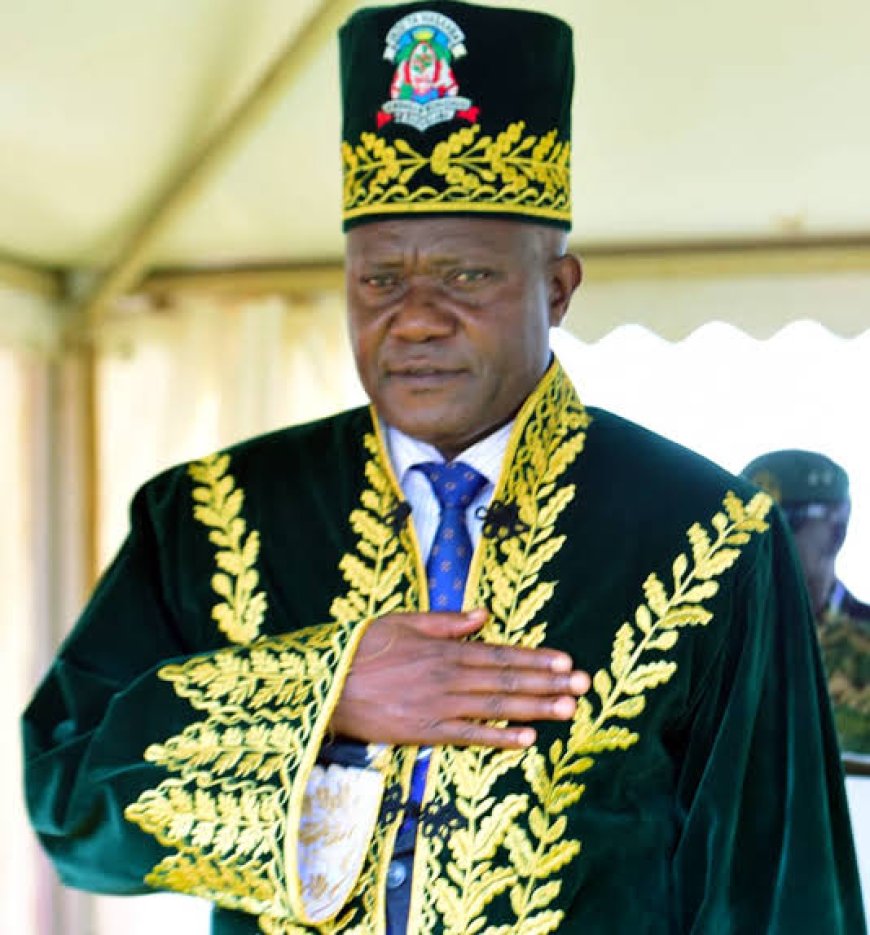
As the Bagisu and other Bamasaaba prepare for the 2026 Imbalu season, His Royal Highness Umukuuka III wa Bugisu, Sir Jude Mike Mudoma, has issued a detailed public statement guiding the conduct of this important cultural institution. The guidance is issued under the mandate of the Institution of Traditional or Cultural Leaders (ITCL) Act, 2011, which recognizes Umukuuka wa Bugisu as the cultural leader and entrusts the institution with preserving, protecting, and promoting Bagisu culture and traditions.

Imbalu, the traditional initiation of adolescent males into manhood, is held every even year and involves a series of elaborate rituals that are deeply rooted in the social, cultural, and historical identity of the Bagisu people. As 2026 is an Imbalu year, the Umukuuka has wished all Bagisu and other Bamasaaba a prosperous Imbalu season, while also expressing concern over emerging practices that require guidance and correction.
Adherence to the Traditional Imbalu Schedule
Traditionally, Imbalu ceremonies are conducted sub-county by sub-county across Bugisu, following a carefully coordinated and widely publicised schedule beginning in August of the even year, a period locally known as Kumwakha kwe Basinde. This timing is deliberate. It coincides with post-harvest periods, ensuring food availability for the large crowds that gather at host households during the weeks-long ceremonies. It also allows time for surgeons (Bashebi) to undergo refresher training and certification, including the ritual blessing of knives (khubiita kimibano), to ensure safety and cultural compliance.
Recognising the academic calendar, a less elaborate repeat season is traditionally held in December for students in secondary schools (Banamasomero). However, the Umukuuka notes that some candidates who have completed secondary education and are preparing to join tertiary institutions in September may find both August and December unsuitable. For such cases, the institution guides that the ceremonies may be conducted in the early days of January, with simplified procedures, so as not to disrupt farming and other economic activities.
The Umukuuka has appealed for patience as the institution finalises arrangements for official scheduling, training, and certification.
Protection of Minors in Imbalu Practices
The Umukuuka has also raised concern over reports and video footage showing very young children being prepared for Imbalu. Traditionally, Imbalu is intended for adolescents nearing adulthood, often around the age of 18, as it signifies readiness to assume personal, family, and community responsibilities, including marriage.
While some areas of South Bugisu have historically circumcised boys as young as 11 years, the Umukuuka has guided that parents should allow children to grow older before undergoing the ritual. He emphasised that Imbalu is not merely a surgical act but a full cultural process that includes counselling on adult responsibilities, including marital life. Subjecting minors to such a process conflicts with both cultural logic and modern legal frameworks.
International conventions on children’s rights and the laws of Uganda recognise that minors lack the legal capacity to make informed decisions, rendering painful traditional initiation practices involving them unlawful. While medical or religious circumcision in controlled environments may be legally permissible, the Umukuuka cautioned that such procedures should not be confused with full cultural Imbalu, which is designed for mature individuals.
Upholding Dignity and Decency During Festivities
Another concern raised relates to the public exposure of candidates (Basinde) during the festivities. The Umukuuka cited instances where candidates are made to run and dance naked over long distances before reaching the circumcision venue (Kuhulwanyi), often in the company of intoxicated youths.
Although controlled use of alcohol has traditionally featured in Imbalu rituals, the Umukuuka has guided that those closest to the candidate should remain sober enough to protect the dignity, privacy, and safety of the individual. Excessive and unnecessary public exposure is discouraged, and attendants must be prepared to offer physical and emotional support should the candidate experience distress during the process.
Separation of Cultural Rituals from Partisan Politics
The Umukuuka has also addressed the increasing integration of partisan politics into Imbalu ceremonies. While he welcomed the widespread use of Kadodi, the traditional Bagisu dance, as a mobilisation tool across various social and political contexts, he warned that other aspects of Imbalu are more sensitive.
He cited a controversial incident involving a newly circumcised individual (Umufulu) being surrounded by political actors displaying partisan symbols, including the use of the national flag in ways that may be interpreted as political messaging. While the Umukuuka, in compliance with the ITCL Act, remains non-partisan and welcomes all political actors campaigning in Bugisu, he urged the public to avoid integrating contentious political symbolism into sacred cultural processes.https://youtube.com/shorts/mpMOdu3eBaM?si=CfbrSEdWCqni_twy
The guidance calls for restraint, particularly in the use of national symbols during Imbalu, to preserve the cultural neutrality and sanctity of the ritual.
Ending Forceful Circumcision Practices Historically, Imbalu was compulsory, and men who missed circumcision during their age-set year (Bakoonera) were forcefully pursued and circumcised. The Umukuuka acknowledged that such practices are incompatible with modern human rights standards.
Today, international conventions and national laws guarantee individual freedoms, including the right to choose whether or not to participate in cultural practices. While reaffirming the cultural, health, and social importance of Imbalu—particularly its role in community cohesion and public health—the Umukuuka has guided that forceful circumcision must cease.
Instead, the institution advocates for dialogue, sensitisation, and voluntary participation as the appropriate means of encouraging compliance with the cultural practice.
Preserving Culture Within a Modern Legal Framework
The 2026 Imbalu guidelines underscore the Umukuuka wa Bugisu’s commitment to safeguarding Bagisu culture while ensuring it evolves in harmony with contemporary legal, social, and ethical standards. The guidance seeks to preserve the dignity, safety, and cultural meaning of Imbalu, while discouraging practices that undermine its values or expose participants and the institution to legal and social risks.
As preparations for the Imbalu season continue, the Umukuuka has called upon parents, cultural leaders, communities, and local authorities to respect these guidelines and work together to ensure a safe, dignified, and culturally authentic Imbalu in 2026.

John Kusolo is a Pastor, Sports Enthusiast and Ugandan journalist with Nile Chronicles News (NCN). With a strong commitment to journalistic excellence, he is recognized for his dedication, goal-oriented approach, and ability to thrive in challenging environments. Kusolo brings focused motivation and professionalism to his reporting and media assignments.









Comments (0)