
President Museveni Explains Minimum Wage Position, Land Rights at Buikwe Campaign Rally
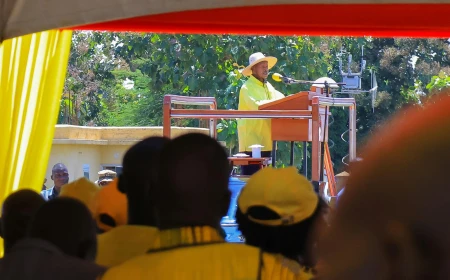
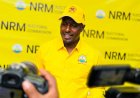
Addressing a campaign rally in Buikwe District, the President said that while the government recognises the importance of better wages for workers, introducing a minimum wage prematurely—before lowering production costs—would be counterproductive.
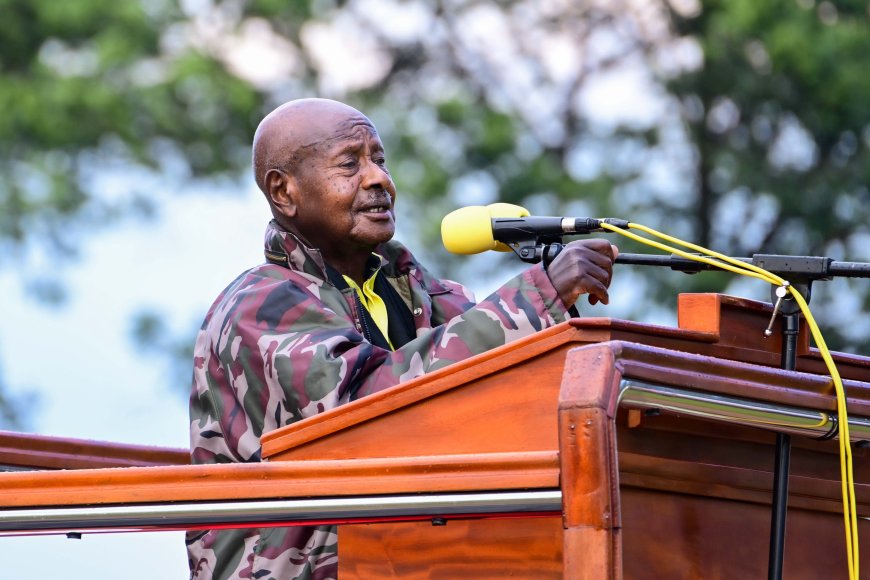
Buikwe District — President Yoweri Kaguta Museveni has defended the government’s cautious approach to introducing a national minimum wage, saying it must come after Uganda completes critical economic groundwork to avoid harming jobs and businesses.
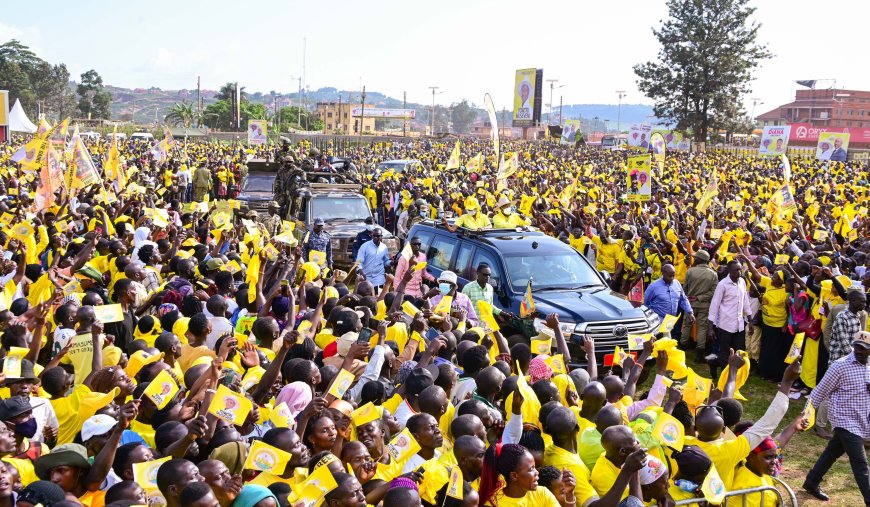
Addressing a campaign rally in Buikwe District, the President said that while the government recognises the importance of better wages for workers, introducing a minimum wage prematurely—before lowering production costs—would be counterproductive.
“We do not oppose the idea of a minimum wage,” Museveni said. “But timing is everything. Just like in guerrilla warfare, you must first prepare the ground before launching the attack. If you introduce a minimum wage when electricity is expensive, transport is costly, and bank interest rates are high, you will destroy businesses and jobs.”
Laying the Economic Foundation First
The President explained that the National Resistance Movement (NRM) government prioritised securing peace and opening markets as the first stage of economic transformation. He noted that regional integration through the East African Community (EAC) expanded markets for Ugandan producers, making it possible for industries to grow and absorb labour.
According to Museveni, the current phase focuses on reducing the cost of doing business—particularly electricity tariffs, transport costs through railway revival, and high interest rates charged by commercial banks.
“Our strategy is to lower the cost of production so that employers can afford to pay higher wages sustainably,” he said. “When production costs come down, wages will rise naturally without forcing businesses to collapse.”
He emphasised that wage growth must be backed by productivity and a strong industrial base, rather than administrative decrees that could scare away investors.
Railway, Power, and Credit as Game Changers
President Museveni highlighted ongoing investments in electricity generation and transmission, noting that cheaper and reliable power is essential for industrialisation. He also pointed to the standard gauge and metre gauge railway rehabilitation as a key intervention to reduce transport costs for goods and raw materials.
On financing, the President reiterated the need to reform Uganda’s banking sector to ensure affordable credit for producers, farmers, and manufacturers, arguing that high interest rates suppress both investment and wage growth.
“When money is expensive, everything else becomes expensive, including labour,” he said.
Clarifying Mailo Land Rights
The President also addressed long-standing land issues in Buikwe and other parts of central Uganda, particularly those related to Mailo land tenure. He warned that confusion over land rights has been exploited by dishonest individuals, causing insecurity among lawful occupants.
Museveni said he had directed the Attorney General to publicly explain the legal position on Mailo land so that citizens clearly understand their rights and obligations.
“There must be no confusion about who owns what and what the law says,” he stated. “People should not be cheated or intimidated because of ignorance.”
He reaffirmed the government’s commitment to protecting lawful occupants while respecting property rights, saying land justice is essential for stability, investment, and agricultural productivity.
Call for Informed Participation
As the 2026 elections approach, Museveni urged residents of Buikwe to support leaders who understand government programmes and can follow up on their implementation. He reminded voters that policies such as industrialisation, wealth creation, and wage growth require patience, discipline, and strategic sequencing.
“Our journey has always been step by step,” he said. “Peace first, markets second, production third, and better incomes will follow.”

The rally attracted local leaders, party supporters, and residents from across the district, with the President’s message focusing on economic fundamentals, land security, and long-term prosperity.

John Kusolo is a Pastor, Sports Enthusiast and Ugandan journalist with Nile Chronicles News (NCN). With a strong commitment to journalistic excellence, he is recognized for his dedication, goal-oriented approach, and ability to thrive in challenging environments. Kusolo brings focused motivation and professionalism to his reporting and media assignments.









Comments (0)