
































Sam Kuloba Urges Government to Deploy Retired Education Experts Where Their Experience Matters Most
Kuloba, a veteran educationist with decades of experience in teaching, school administration, policy development and secondary education management, said many educators retire while they are still mentally alert, professionally capable and full of practical knowledge that could continue benefiting the country's education system.
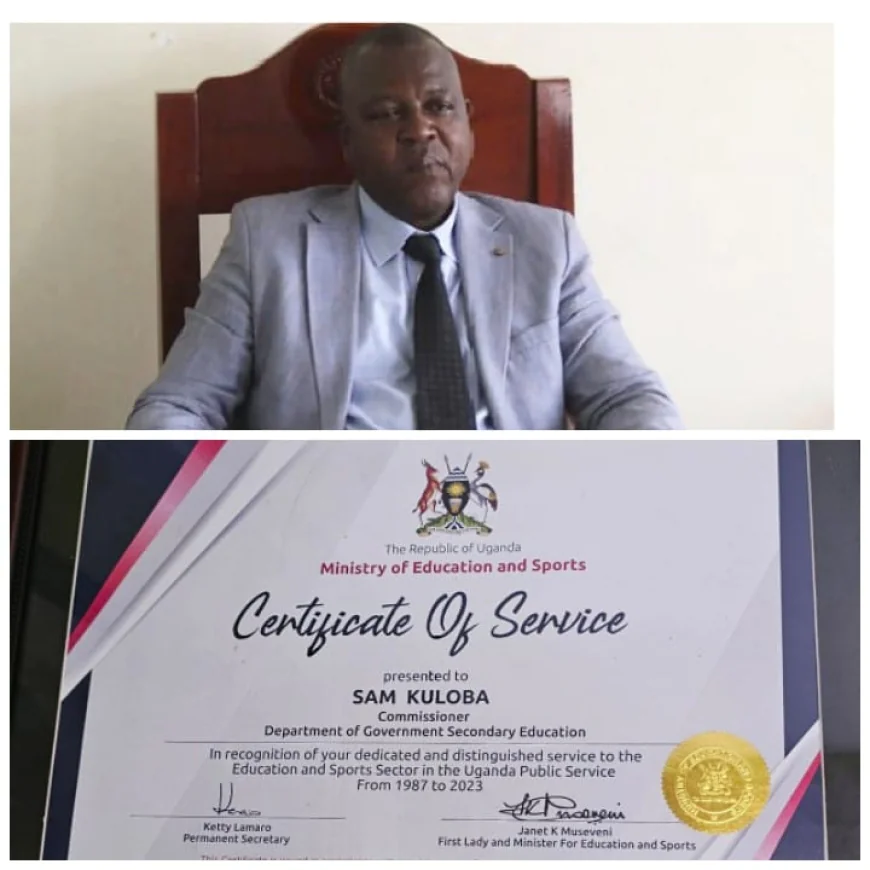
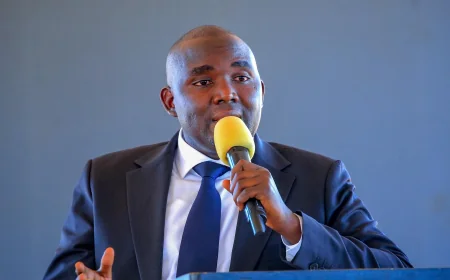
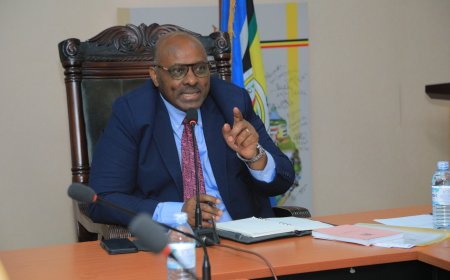
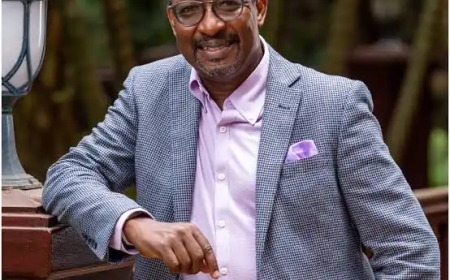
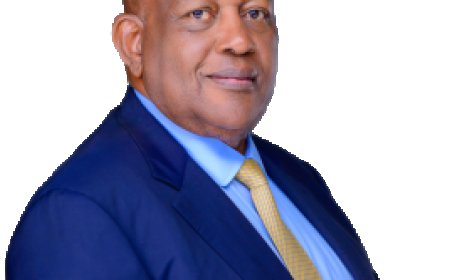
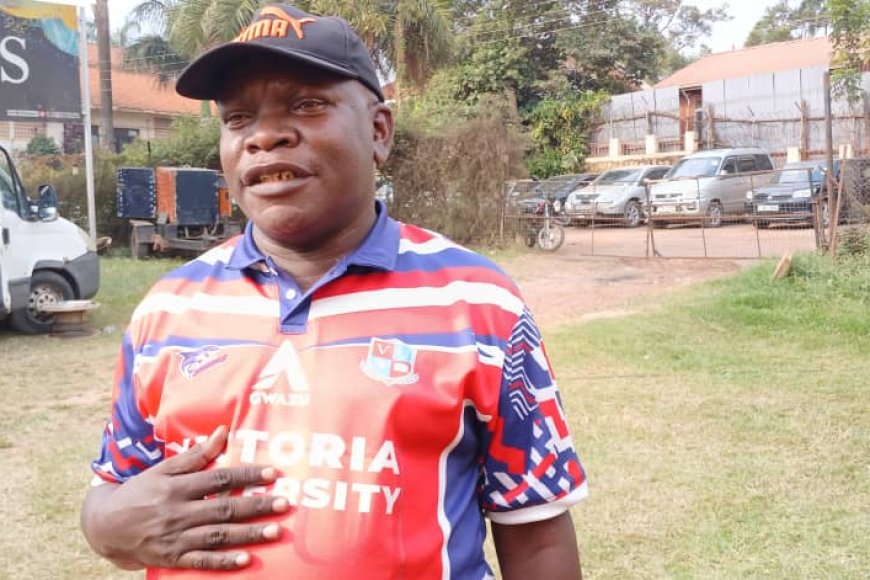
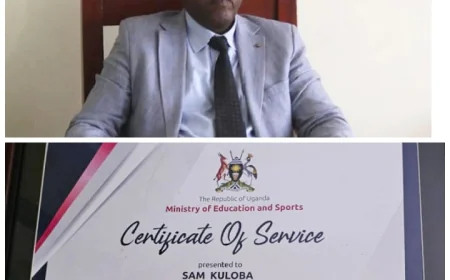
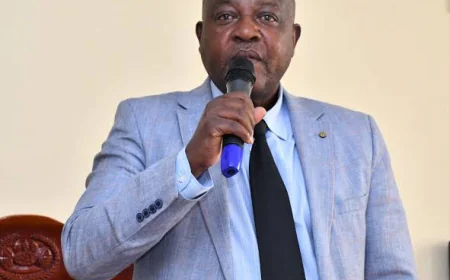
Former Commissioner for Government Secondary Education at the Ministry of Education and Sports, Sam Kuloba, has called for a rethink of how Uganda utilises experienced educators after retirement, warning that the country is losing valuable knowledge and expertise by sending highly capable professionals out of active service without creating opportunities for them to continue contributing to the education sector.
Kuloba, a veteran educationist with decades of experience in teaching, school administration, policy development and secondary education management, said many educators retire while they are still mentally alert, professionally capable and full of practical knowledge that could continue benefiting the country's education system.
He argued that retirement should not necessarily mark the end of an educator's contribution to national development, particularly for professionals who have accumulated years of experience in managing schools, mentoring teachers, developing education policies and addressing challenges affecting learners.
According to Kuloba, Uganda should establish mechanisms through which retired education professionals can continue to support the sector through mentorship, advisory roles, teacher training, policy consultations and other structured programmes.
He expressed concern that valuable institutional knowledge accumulated over decades is often lost when experienced educators leave active service, yet the country continues to face challenges that could benefit from the wisdom and experience of those who have spent much of their careers working within the education system.
Kuloba's views are rooted in his own extensive experience in Uganda's education sector. He served as Commissioner in charge of Government Secondary Schools at the Ministry of Education and Sports from 2018 to 2023, where he headed the department responsible for government-owned and government-aided secondary schools.
In that role, he was involved in the formulation, development and review of policies, plans, programmes, strategies and guidelines for secondary education. He also provided technical guidance and support to schools, advised government on issues relating to staffing, financing and infrastructure, and coordinated matters concerning the appointment, confirmation and transfer of staff in government and government-aided secondary schools.
His responsibilities also included identifying skills and capacity gaps in schools and recommending continuous professional development programmes to strengthen the capacity of teachers and education managers.
Before joining the Ministry of Education and Sports, Kuloba spent years in school leadership, including 14 years at Mbale Senior Secondary School, where he served as Deputy Head Teacher and later Head Teacher. He also served at Bulucheke Secondary School, rising from Head of Geography to Deputy Head Teacher and Acting Head Teacher.
It was during his tenure at Mbale Senior Secondary School that Kuloba became widely associated with educational transformation and innovation.
He is credited with helping transform Mbale Senior Secondary School from a struggling institution into one of the country's better-performing secondary schools. Kuloba has previously emphasised that the recognition he received as one of the best secondary school teachers was not based solely on academic results but on the broader transformation of the institution under his leadership.
Among the initiatives he promoted was the integration of co-curricular activities into the school's development agenda, particularly music, dance and drama.
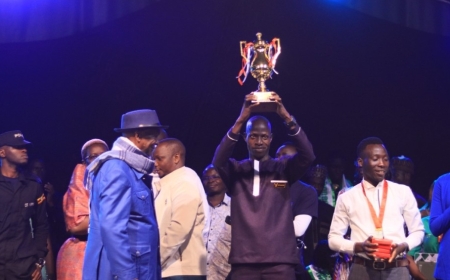
Kuloba played a key role in introducing and promoting drama activities at Mbale Senior Secondary School, an initiative that grew beyond the school and helped encourage cultural and educational exchanges between schools in Uganda and Kenya. The initiative contributed to the development of school-to-school partnerships and provided learners with opportunities to interact, share experiences and develop talents beyond the traditional classroom setting.
His contribution to education also extends to national-level programmes. Kuloba chaired and coordinated initiatives linked to the expansion of secondary education, including the Seed Secondary Schools programme, which has played an important role in increasing access to secondary education, particularly in underserved communities.
As Coordinator for the Uganda Intergovernmental Fiscal Transfer project for the construction of Seed Secondary Schools between 2017 and 2023, he was involved in a programme aimed at expanding the country's secondary school infrastructure and bringing education services closer to communities.
His career has also involved teacher development, education policy, curriculum implementation, school leadership and high-level policy dialogue. He has participated in several national committees and international education programmes, giving him extensive exposure to education systems and practices beyond Uganda.
Kuloba's professional journey, which began with classroom teaching and progressed through school leadership to senior government policy responsibilities, has given him a broad perspective on the challenges and opportunities facing Uganda's education sector.
It is from this background that he believes experienced educators should remain part of the national conversation even after leaving formal employment.
He argues that the knowledge of retired educationists can be particularly useful at a time when Uganda is seeking to improve the quality of teaching, strengthen school leadership, enhance teacher professionalism and address emerging challenges in the education sector.
Rather than viewing retirement as a complete exit from the profession, Kuloba advocates for a system that allows experienced educators to serve as mentors, consultants, trainers and advisers, depending on their areas of expertise and capacity.
He believes such an approach would help preserve institutional memory and ensure that younger teachers and education managers benefit from the lessons and experiences of those who have previously served in the sector.
The call also comes at a time when Uganda continues to invest in expanding access to education through initiatives such as the construction of seed secondary schools and other programmes aimed at improving the country's education infrastructure.
For Kuloba, however, infrastructure alone cannot transform education. He argues that the human resource component remains equally important, with experienced teachers, school administrators and education policymakers playing a critical role in shaping the quality and effectiveness of the system.
His message is therefore centred on the need for government and education stakeholders to develop deliberate strategies for retaining and transferring knowledge from experienced professionals to the next generation.
Kuloba's own career demonstrates the potential impact of such experience. From transforming a school through academic and co-curricular programmes to participating in national secondary education policy and expansion programmes, his work reflects the contribution that experienced education professionals can make at different levels of the education system.
As Uganda continues to reform and expand its education sector, Kuloba's concerns raise a broader question about how the country can preserve and utilise the knowledge of professionals who have spent decades building public institutions.
For him, the challenge is not simply about extending the working lives of retired educators, but about creating meaningful avenues through which their expertise can continue to serve the country.
He maintains that Uganda cannot afford to allow decades of professional knowledge and institutional experience to disappear from the education system simply because an individual has reached retirement age.
Instead, he believes the country should find ways to connect retired educators with schools, universities, teacher training institutions and government programmes, enabling them to mentor younger professionals and contribute to policy and education development.
Kuloba's argument ultimately points to the importance of treating experience as a national resource—one that should be deliberately preserved, shared and put to use for the benefit of future generations