
EC Adjusts SIG Polling Dates, Rolls Out Voter Location Slips as Biometric Verification Takes Centre Stage Ahead of 2026 Polls
This assurance was made on Wednesday, December 17, 2025, by the Deputy Chairperson of the Electoral Commission, Hajjat Aisha Lubega, who represented the EC Chairperson Justice Byabakama Mugenyi Simon, during a stakeholders’ engagement and public demonstration of the Biometric Voter Verification Kit (BVVK) at the Commission headquarters.
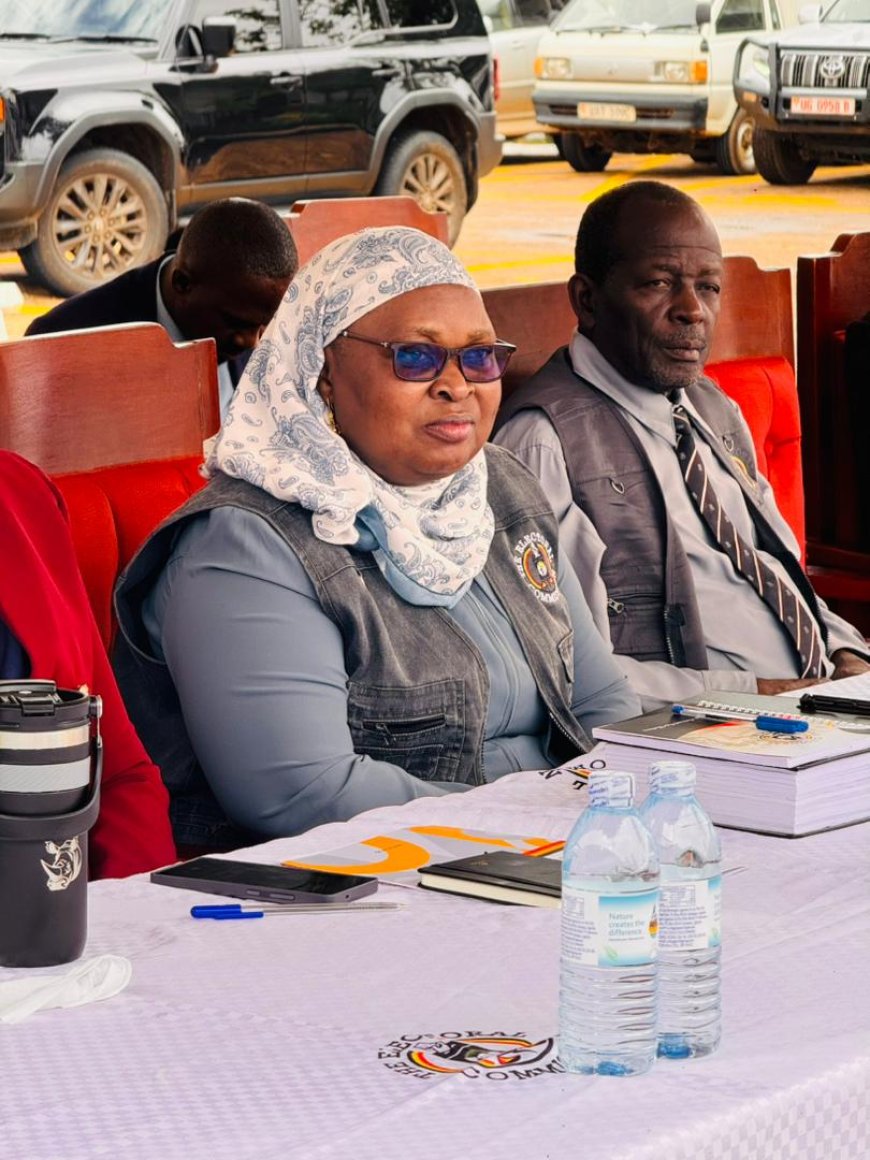
The Electoral Commission (EC) has assured Ugandans and election stakeholders of its readiness to deliver credible, transparent and well-managed General Elections in 2026, with major milestones already being implemented under the official electoral roadmap.
This assurance was made on Wednesday, December 17, 2025, by the Deputy Chairperson of the Electoral Commission, Hajjat Aisha Lubega, who represented the EC Chairperson Justice Byabakama Mugenyi Simon, during a stakeholders’ engagement and public demonstration of the Biometric Voter Verification Kit (BVVK) at the Commission headquarters.
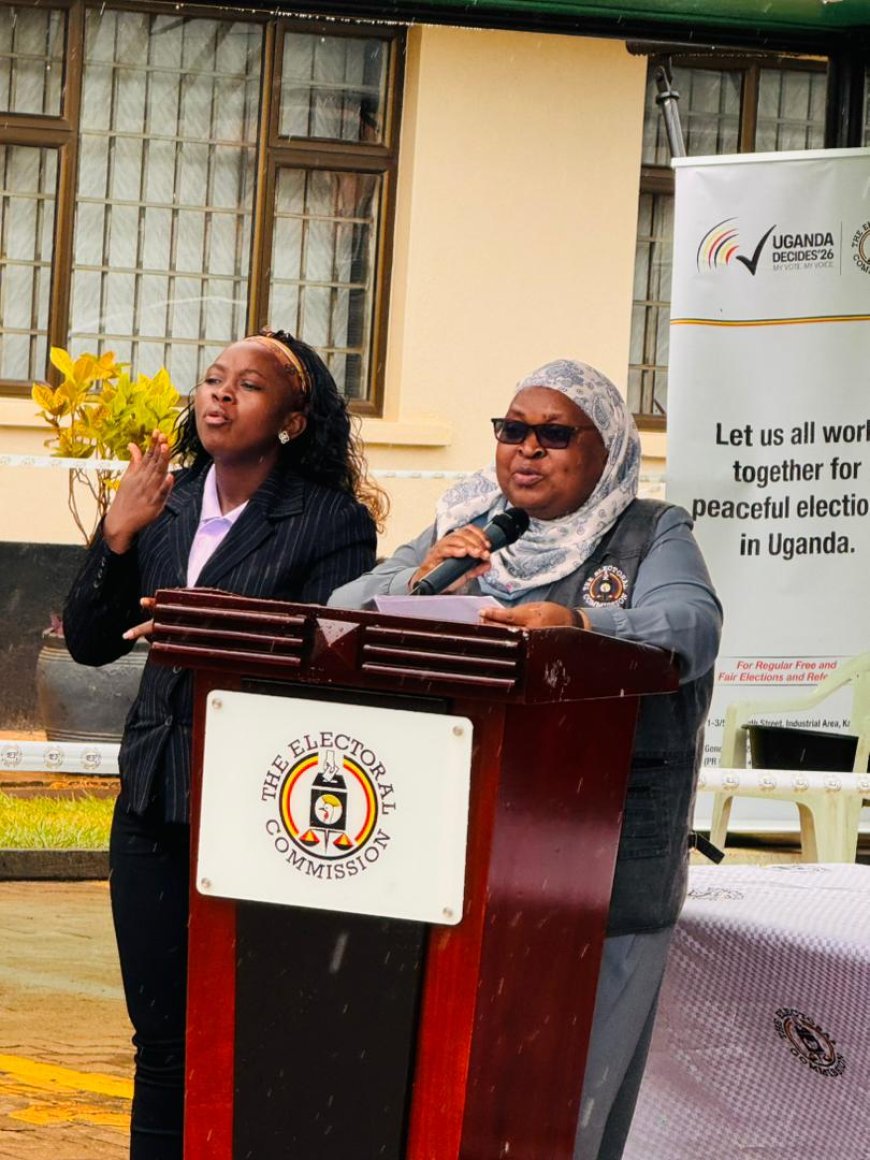
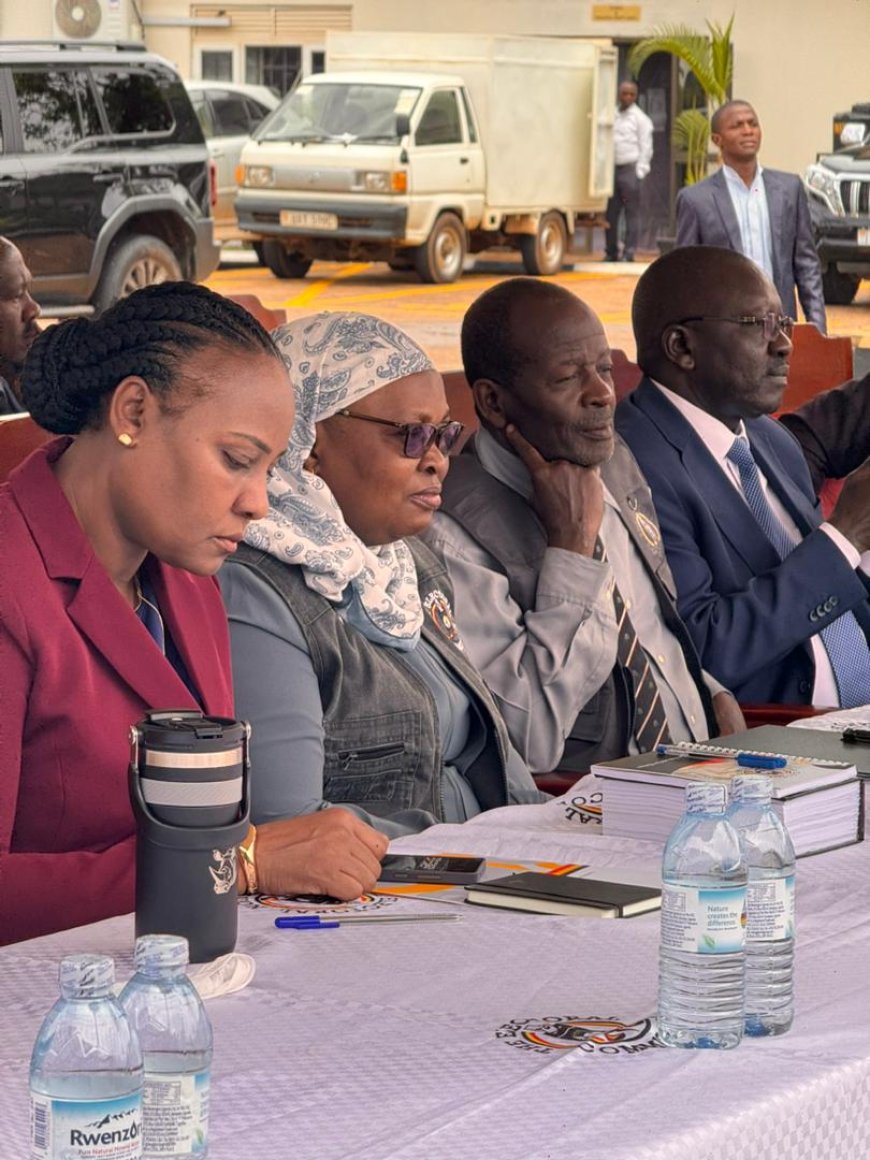
The demonstration brought together representatives from the media, civil society organisations (CSOs), non-governmental organisations (NGOs), political parties, local election observers and other electoral stakeholders, aimed at enhancing transparency and building confidence in the electoral process.
Adjustments to Special Interest Group (SIG) Elections
In her statement, Hajjat Lubega announced adjustments to polling dates for elections of Special Interest Groups (SIGs) at both parliamentary and local government levels.
She explained that the changes were necessary to allow members of SIGs to fully participate in the mainstream General Elections under universal adult suffrage, while also taking part effectively in their respective electoral college elections.
Among the changes:
The National Conference for election of Persons with Disabilities (PWDs) representatives to Parliament was moved from January 19 to February 3, 2026.
Elections of SIG councillors (Youth, Older Persons and PWDs) at sub-county, town and municipal division level were shifted to January 30, 2026.
The Workers’ representatives to Parliament conference was rescheduled to January 19, 2026.
The National Female Youth Representative to Parliament election will now take place on February 6, 2026.
Regional Youth representatives’ conferences were brought forward to January 28, 2026.
The Deputy Chairperson emphasized that all other polling dates remain unchanged, as earlier published by the Commission.
Issuance of Voter Location Slips Begins Nationwide
The EC also confirmed the commencement of the issuance of Voter Location Slips (VLS), which started on December 15, 2025 and will run until January 13, 2026.
According to Hajjat Lubega, the VLS is intended to address challenges reported in previous elections where voters struggled to locate their polling stations on voting day.
Each slip contains a voter’s photograph, names, date of birth and full polling location details, including district, constituency, sub-county, parish and polling station. It also features a unique barcode that will be scanned using biometric machines on polling day.
The slips will be used across four election cycles during the 2026 General Elections, including presidential, parliamentary and various local government elections.
She cautioned that the VLS is free of charge, must be collected personally by the voter, and should be carefully safeguarded to avoid damage to the barcode.
Biometric Voter Verification: A Key Integrity Measure
Central to the engagement was the public demonstration of the Biometric Voter Verification System (BVVS), using the Biometric Voter Verification Kits (BVVK) that will be deployed countrywide.
Hajjat Lubega revealed that the Commission has acquired 109,142 BVVKs, which will be used at all polling stations during the 2025/2026 General Elections.
The system uses fingerprint scanning and facial recognition technology to authenticate voters against the official voters’ register for each polling station. This, she noted, is a critical safeguard to ensure that only registered voters cast ballots and that no voter votes more than once.
“The Biometric Voter Verification System strengthens the principle of one person, one vote by preventing impersonation, multiple voting and other electoral malpractices,” she stated.
Building Confidence Through Transparency
The demonstration was conducted to familiarize stakeholders with polling-day procedures and allow them to observe firsthand how voter identification and verification will be carried out.
Hajjat Lubega explained that the exercise was also meant to:
Promote transparency and trust in the electoral process
Clarify safeguards built into the technology
Allow stakeholders to ask questions and interact with the system
Demonstrate how technology enhances electoral credibility and efficiency
She added that the Commission is already training election officials at all levels, from national headquarters to polling stations, to ensure smooth deployment and operation of the kits.
Stakeholder Engagement Welcomed
The Deputy Chairperson thanked stakeholders for honouring the Commission’s invitation, noting that inclusive engagement is critical for peaceful and credible elections.
She concluded by inviting the Director of Technical Support Services to lead participants through a live demonstration of the BVVK, marking a key step in the Commission’s voter education and stakeholder sensitisation efforts ahead of the 2026 General Elections.

John Kusolo is a Pastor, Sports Enthusiast and Ugandan journalist with Nile Chronicles News (NCN). With a strong commitment to journalistic excellence, he is recognized for his dedication, goal-oriented approach, and ability to thrive in challenging environments. Kusolo brings focused motivation and professionalism to his reporting and media assignments.












Comments (0)