
From Verification to Counting: How 109,142 BVVKs Will Guard the Integrity of the 2025/26 Elections
The Commission says the system is central to strengthening electoral integrity, enforcing the One-Man/Woman-One-Vote principle, and enhancing public confidence in the voting process.
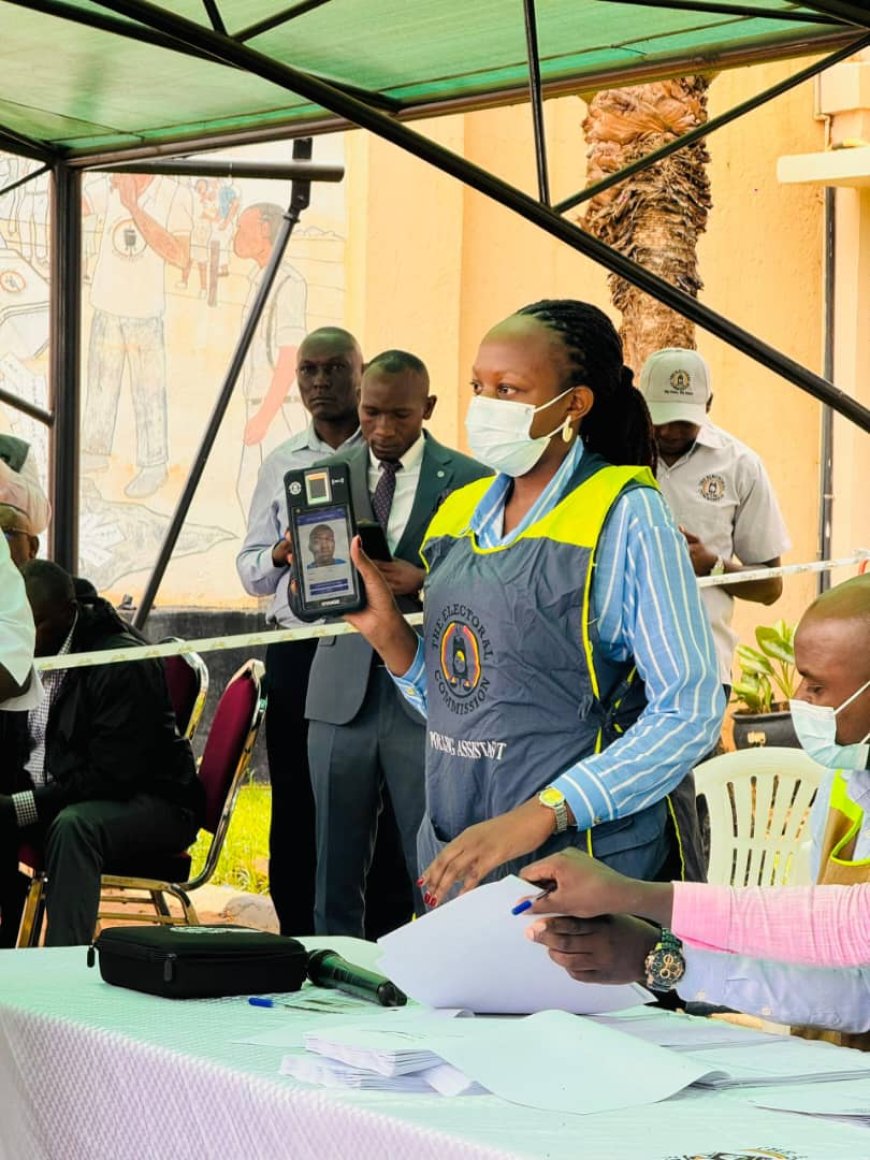
The Electoral Commission (EC) has detailed the operational framework, safeguards and benefits of the Biometric Voter Verification Kit (BVVK), which will be deployed across all polling stations during the 2025/2026 General Elections. A total of 109,142 improved BVVKs have been procured and will be used nationwide, marking a significant expansion and upgrade of the technology first introduced during the 2016 General Elections.
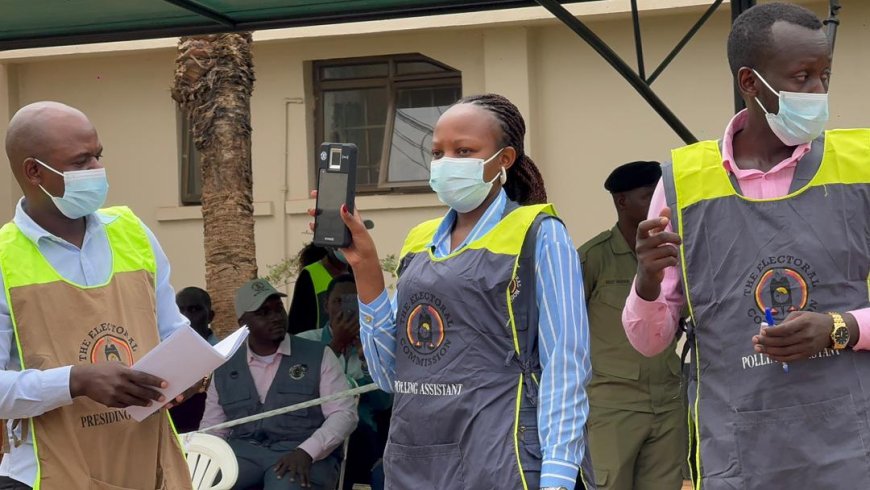
The Commission says the system is central to strengthening electoral integrity, enforcing the One-Man/Woman-One-Vote principle, and enhancing public confidence in the voting process.
What is the BVVK?
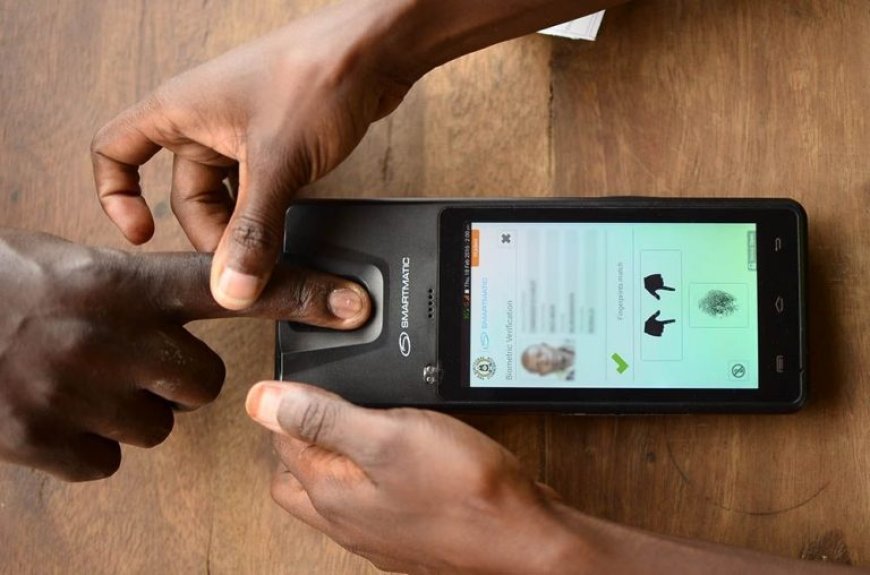
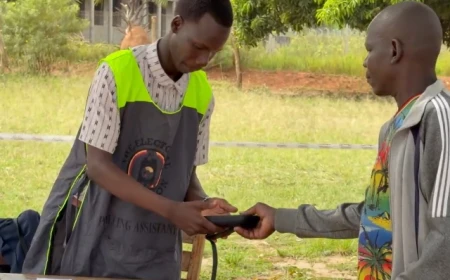
The Biometric Voter Verification Kit is a portable, electronic, handheld device designed to confirm a voter’s identity using biometric data—primarily fingerprints, with facial recognition as a backup. The kit compares a voter’s physical characteristics against a preloaded voter register specific to each polling station.
Unlike the traditional manual register, the BVVK automates verification, reduces human error, prevents multiple voting, and improves efficiency at polling stations.
Why the BVVK Matters
According to the EC, the BVVK is intended to:
Ensure only eligible and registered voters participate in elections
Prevent double voting, impersonation and ballot stuffing
Improve accuracy, transparency and credibility of electoral processes
Support faster and more orderly polling station operations
For the 2025/26 elections, the upgraded kits incorporate additional features, including enhanced security, ballot verification through QR codes, and post-poll digital submission of results documentation.
Use of the BVVK Before Polls Open
Before voting begins, the BVVK plays a central role in setting up the polling station:
Assignment to Polling Station
Each kit is assigned by scanning the QR code on the official voters’ register. This ensures the device is locked to a specific polling station.
Verification of Polling Officials
The Presiding Officer and BVVK Operator must verify themselves using their National IDs or Voter Location Slips (VLS), alongside fingerprint or facial verification. This authentication activates the device for official use.
Ballot Assignment
Ballot paper booklets for each electoral category are scanned into the BVVK. This allows the system to recognize only ballot papers officially assigned to that polling station, blocking any foreign or fake ballots.
Opening of Polls and Witness Verification
The law requires that at least ten voters witness the opening of polls. Using the BVVK, these witnesses have their National IDs scanned and their fingerprints or faces verified. Their names are also marked on the voter register, after which polling officially begins.
Voter Verification and Ballot Issuing
Biometric verification is mandatory. No voter can receive a ballot without successful fingerprint or facial verification.
Voters are verified using a National ID, Voter Location Slip, or the QR code on the voter register
If fingerprints fail, facial recognition with liveness detection is used Once verified, the system marks the voter as having voted, preventing repeat attempts
Ballot papers are scanned individually before issuance. Each ballot is marked as “USED” once scanned, ensuring it cannot be issued again.
All ballot papers are issued at the Presiding Officer’s table, with only the presidential or chairperson’s ballot handed openly. Other ballots are issued in a pouch to prevent voters from placing them in the wrong ballot boxes.
Secrecy of the Vote Guaranteed
The EC emphasizes that the BVVK does not link a voter to the ballot they cast. Voter verification data and ballot scanning data are stored in separate databases on the device. The system records only that a voter was verified and ballots were issued—not how anyone voted.
Handling Spoilt Ballots
Where a voter spoils a ballot, the law allows re-issuance. The BVVK adds an extra accountability layer:
The voter is re-verified biometrically
The spoilt ballot is scanned and invalidated in the system
A replacement ballot is scanned and issued
This process prevents abuse while protecting a voter’s right to correct a mistake.
Closure of Polls and Post-Ballot Verification
After all voters in the queue by 4:00 pm have voted, polls are closed using the BVVK.
A unique feature of the system is post-ballot verification.
After closure:
Each cast ballot is scanned to confirm it was legitimately issued at that polling station
Any unverifiable ballots—indicative of stuffing or fraud—are set aside and recorded in the Official Report Book
This verification is witnessed by officials, agents, observers, and voters Only after this process does vote counting begin.
Digital Results and Accountability
Once results are declared at the polling station:
Declaration of Results (DR) forms are scanned and photographed using the BVVK
Accountability of Ballot Papers (ABP) forms are also scanned and submitted
These digital records serve as a backup for Returning Officers and help resolve disputes by enabling cross-checking with physically delivered results.
System Reliability and Security
The EC has addressed common concerns about technology failure:
Each polling station has a primary and backup BVVK Battery life ranges from 12 to 15 hours, with power banks provided
Devices work fully offline during voting
All data is encrypted and protected through a Mobile Device Management (MDM) system
Stolen devices can be tracked, locked, or wiped remotely
The system also automatically rejects unregistered voters, voters at the wrong polling station, and anyone attempting to vote more than once.
Frequently Asked Questions Answered
Field testing shows that verifying one voter and issuing ballots takes 25–30 seconds, allowing one BVVK to serve about 700 voters in a standard polling day.
Biometric verification is compulsory, but voters without National IDs can still vote using Voter Location Slips or the voter register at their polling station.
The system prevents double ballot issuance, flags already-used ballots, and rejects any attempt at multiple voting—even if a device is restarted or replaced.
EC’s Appeal to Voters
The Electoral Commission has urged Ugandans to embrace the BVVK system, describing it as a critical tool for improving electoral integrity and public trust. The Commission has reassured voters that their data is secure and their choices remain secret.
As Uganda prepares for the 2025/26 General Elections, the nationwide deployment of 109,142 Biometric Voter Verification Kits represents one of the most comprehensive technological safeguards ever applied to the country’s electoral process.
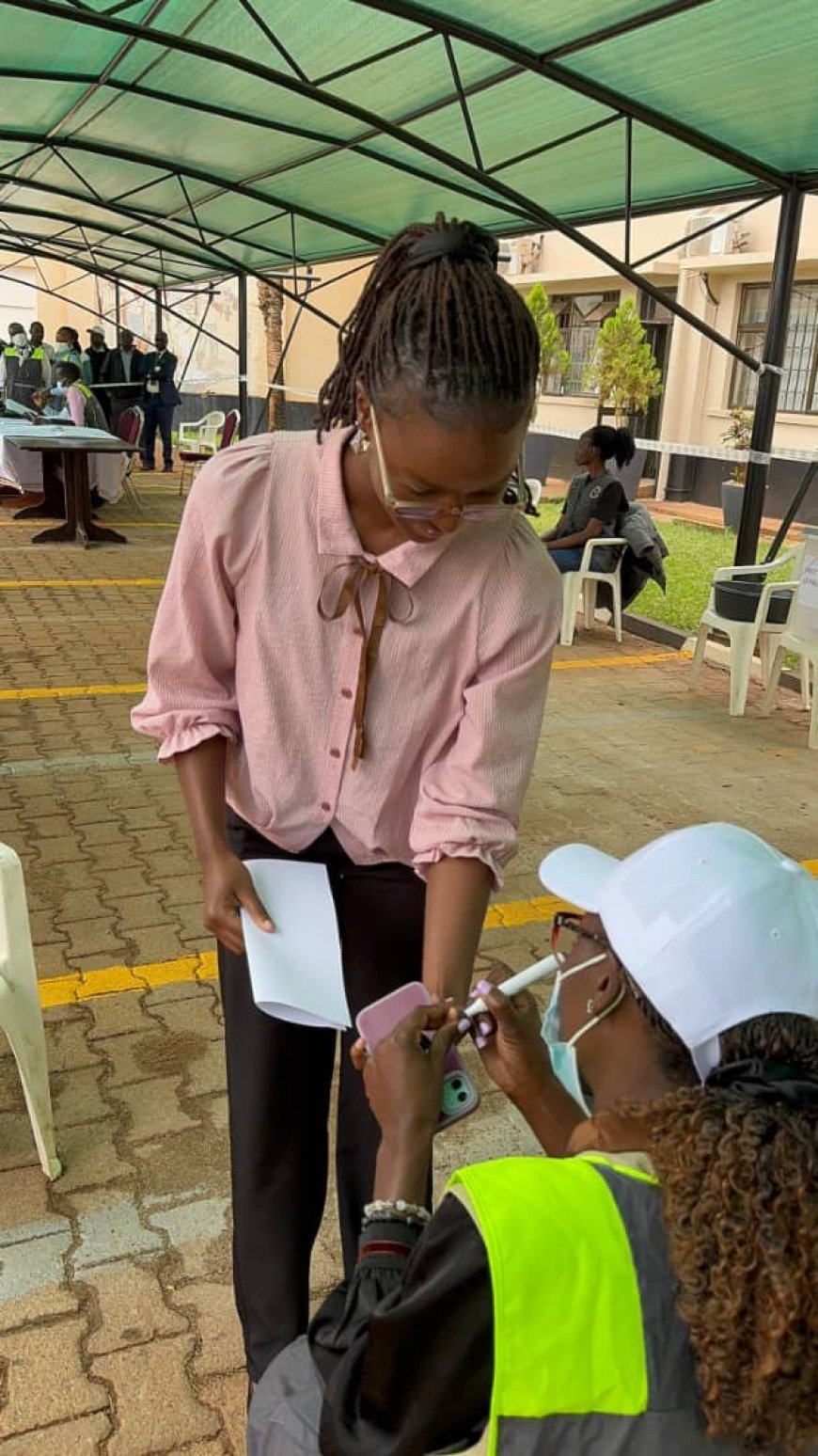
The EC has called on all eligible voters to turn up in large numbers on polling day, emphasizing a simple message: every verified vote counts.

John Kusolo is a Pastor, Sports Enthusiast and Ugandan journalist with Nile Chronicles News (NCN). With a strong commitment to journalistic excellence, he is recognized for his dedication, goal-oriented approach, and ability to thrive in challenging environments. Kusolo brings focused motivation and professionalism to his reporting and media assignments.











Comments (0)