
HRH Sir Jude Mike Mudoma III Unveils Bold Vision for Mbale as East Africa’s Industrial Gateway at UMA Trade Fair Launch
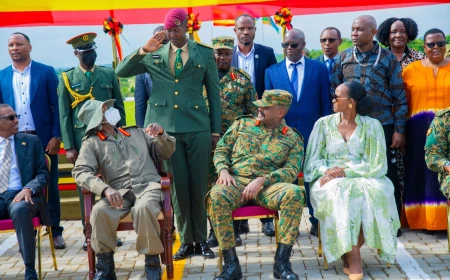
Delivering a keynote address at the launch of the 14th Eastern Regional Trade Fair organized by the Uganda Manufacturers Association on Friday at Mbale Resort Hotel, the cultural leader emphasized the urgent need to harness the region’s vast natural resources, strategic location, and growing industrial base to drive wealth creation and sustainable development.
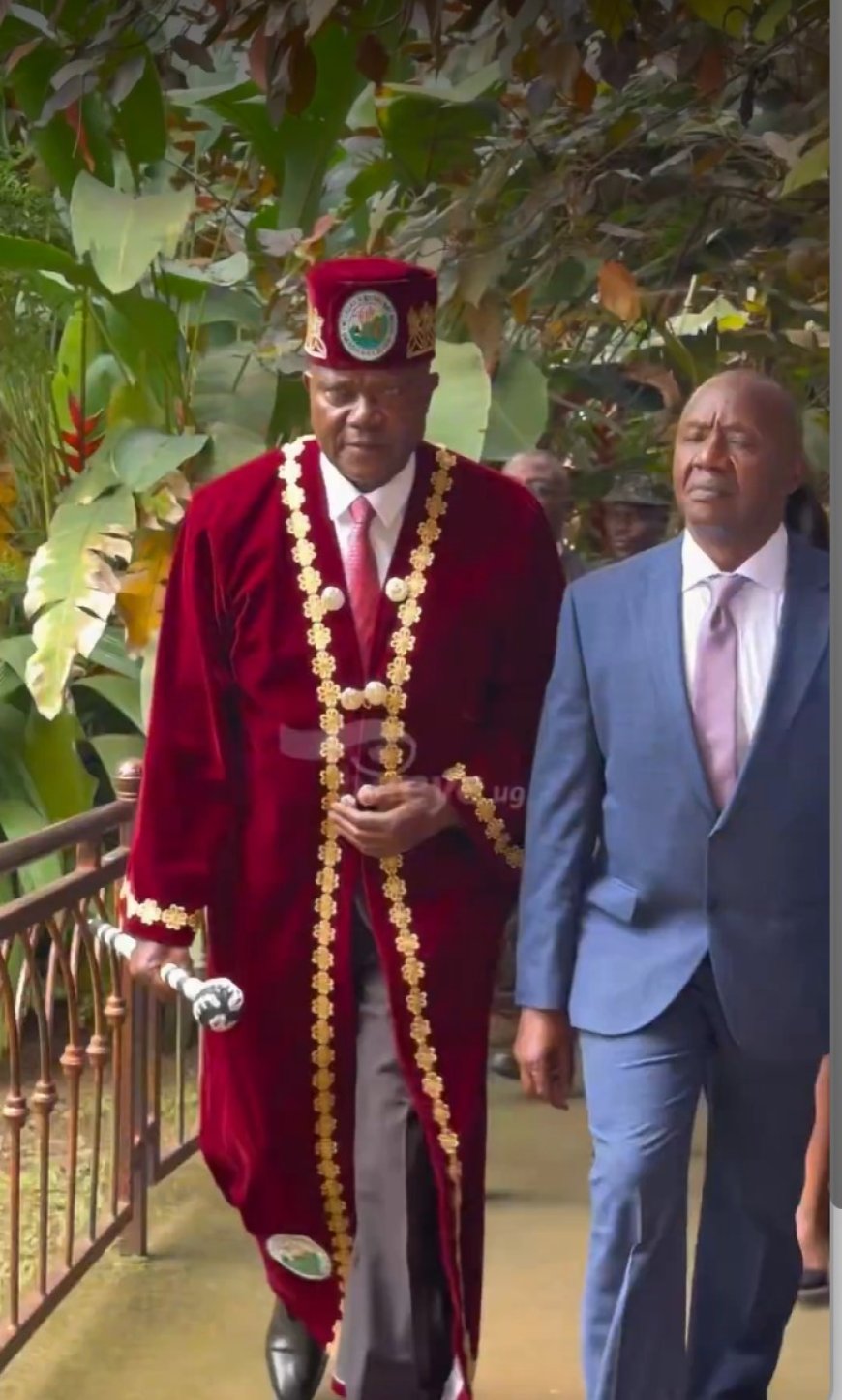
Mbale City — The Umukuuka wa Bugisu, Sir Jude Mike Mudoma III, has issued a strong call for accelerated industrialization, regional trade expansion, and innovative urban development, positioning Eastern Uganda as a critical engine for the country’s economic transformation.
Delivering a keynote address at the launch of the 14th Eastern Regional Trade Fair organized by the Uganda Manufacturers Association on Friday at Mbale Resort Hotel, the cultural leader emphasized the urgent need to harness the region’s vast natural resources, strategic location, and growing industrial base to drive wealth creation and sustainable development.
Mbale Positioned as East Africa’s Industrial Gateway
HRH Mudoma described Mbale not merely as a host city, but as a historic and strategic gateway linking Uganda to regional markets including South Sudan, Ethiopia, Kenya, and the Democratic Republic of Congo. He highlighted the region’s long-standing role in trade, noting that major international routes such as the Great North Road pass through Mbale, reinforcing its importance in cross-border commerce.
“The question is no longer whether we have the resources—we do,” Mudoma stated. “The task before us is to organize, add value, and trade on terms that build wealth for our people.”
He pointed to the region’s rich endowment of natural resources, including high-quality Arabica coffee from Mount Elgon, limestone deposits for cement production, gold reserves, and fertile agricultural land supported by thousands of freshwater streams.
Industrial Parks Driving Real Economic Change
Central to Mudoma’s address was the transformative impact of the Sino-Uganda Mbale Industrial Park, which he credited with reshaping the economic landscape of Bugisu and the wider Eastern Region. The park, he noted, has created approximately 12,000 jobs and stimulated a ripple effect across local economies.
He illustrated how industrial activity is directly improving livelihoods—supporting farmers, boosting small businesses, and creating opportunities for youth employment.
“What was once idle land is now alive with factories, trucks, and workers in uniform,” he said. “That is transformation in real time.”
From Slums to Smart Villages
In a bold policy proposition, the Umukuuka called for a shift away from congested urban slums toward the development of “smart villages”—planned settlements built around industrial hubs. These would integrate housing, utilities, and digital infrastructure to ensure workers live in dignified and productive environments.
He challenged traditional approaches to urban planning, asserting that the private sector, particularly UMA, has the agility and capacity to deliver such developments faster than government bureaucracy.
“Government cannot solve the slum problem at the speed our people need. But industry can,” Mudoma said. “You turn jobs into towns and wages into wealth.”
Aligning with National Growth Agenda
HRH Mudoma linked the trade fair to Uganda’s broader economic vision under the National Development Plan IV and the government’s tenfold growth strategy. He stressed that achieving these ambitions will require strong regional growth centers like Mbale, rather than relying solely on Kampala.
He urged stakeholders to prioritize value addition, particularly in key sectors such as coffee processing, cement manufacturing, and mineral refining, to ensure Uganda exports finished products rather than raw materials.
Three-Pronged Call to Action
The cultural leader outlined a clear roadmap for stakeholders:
Government: Invest in critical infrastructure including roads, electricity, and efficient border systems to unlock regional trade potential.
Private Sector: Capitalize on available resources by establishing value addition industries within the region and integrating smart settlement planning into industrial investments.
Youth: Embrace innovation and entrepreneurship, leveraging available opportunities in manufacturing and trade to build sustainable livelihoods.
Cultural Values Driving Economic Vision
Drawing on the Bagisu cultural philosophy of “yeeda wookyo inyuuke”—loosely translated as “help one another rise”—Mudoma emphasized the importance of partnerships in driving inclusive growth. He called for stronger collaboration between large industries and small and medium enterprises (SMEs) to build competitive supply chains capable of serving the East African market of over 300 million people.
UMA Commended for Regional Trade Promotion
HRH Mudoma praised UMA for organizing the trade fair, describing it as a vital platform for promoting industrial growth, innovation, and regional integration.
He reiterated his institution’s commitment to mobilizing communities to support investment, protect industrial infrastructure, and ensure that economic gains benefit local populations.
A Defining Moment for Eastern Uganda
Declaring the trade fair officially open, Mudoma expressed optimism that the event would mark a turning point for Mbale and the Eastern Region.
“Let this be remembered as the moment Mbale claimed its place as East Africa’s industrial gateway,” he said. “From slums to smart villages. From potential to partnership. From partnership to production.”
The 14th Eastern Regional Trade Fair is expected to bring together manufacturers, investors, policymakers, and entrepreneurs, providing a platform to showcase innovations, forge partnerships, and accelerate Uganda’s journey toward industrial transformation.

John Kusolo is a Pastor, Sports Enthusiast and Ugandan journalist with Nile Chronicles News (NCN). With a strong commitment to journalistic excellence, he is recognized for his dedication, goal-oriented approach, and ability to thrive in challenging environments. Kusolo brings focused motivation and professionalism to his reporting and media assignments.












Comments (0)