
Inside Kampala Metropolitan Hardware Market: Are Construction Materials Meeting UNBS Standards?
At the center of quality assurance in Uganda’s construction sector is the Uganda National Bureau of Standards (UNBS), the statutory body mandated to develop, coordinate and enforce standards to protect public health, safety and the environment.

KAMPALA & WAKISO — Across the rapidly expanding neighborhoods of Kampala and Wakiso District, the skyline is shifting almost weekly. From Kalerwe to Nansana, Kireka to Najjera, apartment blocks, commercial arcades and rental units are rising to meet growing urban demand. The construction boom reflects economic vibrancy and population growth — but it also raises a critical question: Are the materials building this new urban landscape meeting required national standards?
At the center of quality assurance in Uganda’s construction sector is the Uganda National Bureau of Standards (UNBS), the statutory body mandated to develop, coordinate and enforce standards to protect public health, safety and the environment.
As hardware markets across the Kampala Metropolitan Area bustle with activity, this investigation examined whether construction materials on sale comply with UNBS requirements — and whether traders and buyers understand the importance of certification.
The Standards Governing Construction Materials
UNBS coordinates national standards covering steel reinforcement bars, cement, roofing sheets, nails and electrical products.
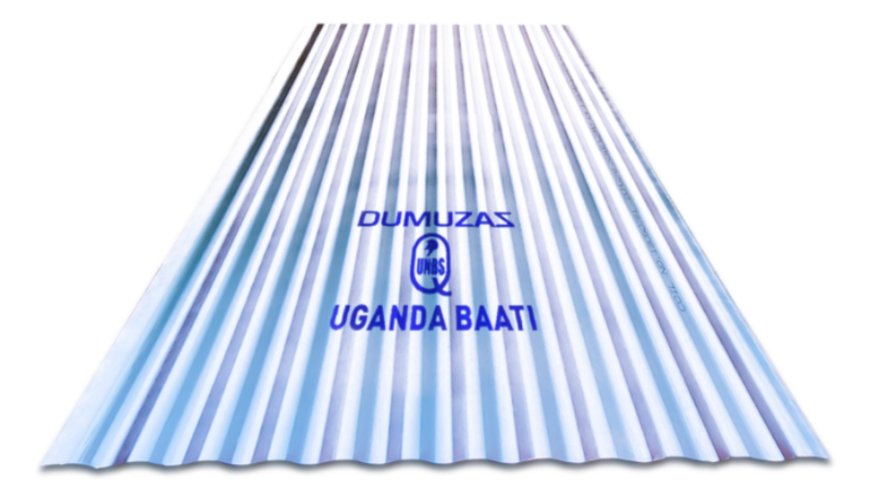
For steel reinforcement used in concrete structures, the applicable specifications include the US EAS 412-1:2019 series, which define requirements for plain, ribbed and welded bars — including tensile strength, ductility, dimensions and marking. Roofing sheets are regulated under standards such as US EAS 11 (for hot-dip galvanized sheets) and US EAS 468 (for pre-painted metal-coated sheets), which outline coating thickness, corrosion resistance and performance benchmarks.
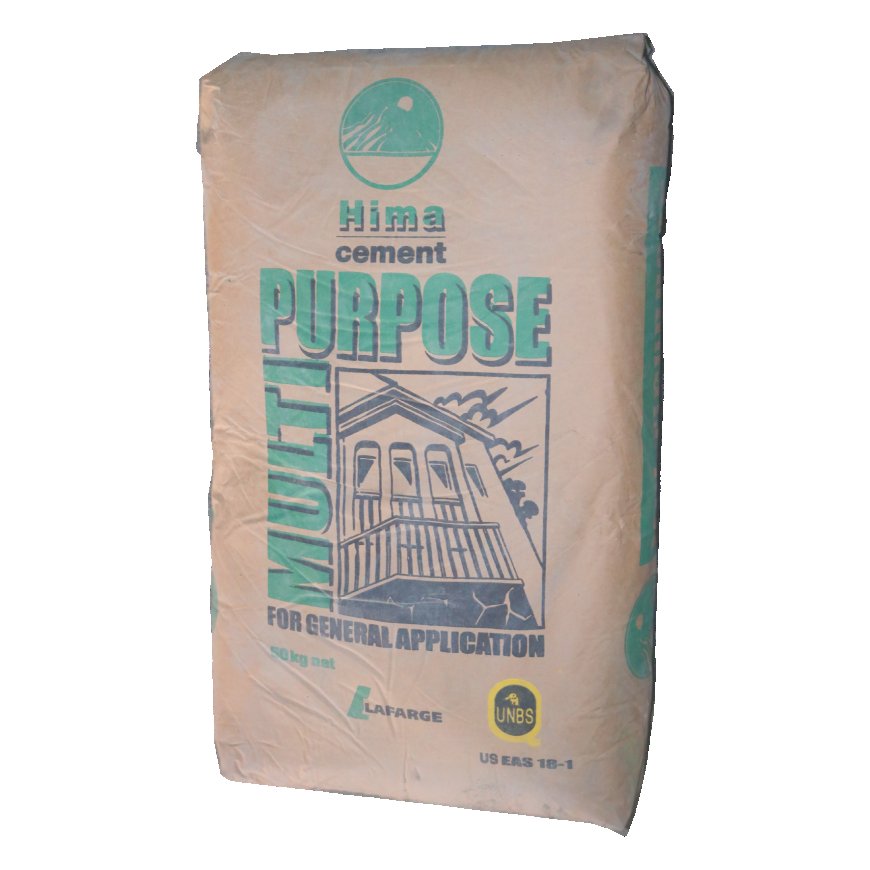
Cement is regulated under US EAS 18-1:2017 — Cement Part 1: Composition, specification and conformity criteria for common cements. This standard specifies mechanical, physical and chemical requirements for multiple cement types, including sulphate-resisting and low early strength variants.
According to UNBS officials, these standards are developed through technical committees composed of industry players, engineers, government agencies and academic experts. The bureau maintains that this collaborative process ensures local relevance while aligning with regional benchmarks.
The UNBS Product Certification Scheme
UNBS operates a Product Quality Certification Scheme under the Uganda National Bureau of Standards (Certification) (Amendment) Regulations, 2022.
Under this framework, manufacturers apply for certification and, upon demonstrating compliance with relevant national standards, are granted permits to affix the Uganda Standards Certification Mark — commonly known as the Quality Mark (Q-Mark) — on their products or packaging.
Product certification provides third-party assurance that a product meets defined safety and performance requirements. The Quality Mark typically appears alongside reference to the applicable product standard. Certification is not a one-time approval; it involves ongoing surveillance, including surprise factory inspections and market sample testing to verify continued compliance.
In principle, the presence of the Q-Mark assures consumers that a product conforms to Uganda Standards.
A Tour of Hardware Shops: Mixed Compliance
A visit to hardware outlets in Kawempe and Nansana reveals a vibrant and competitive marketplace. Cement bags are stacked high at storefronts. Steel reinforcement bars are arranged by diameter in open yards. Roofing sheets and electrical cables hang prominently, often in multiple brands and price categories.
Among the outlets visited was Cheap Hardware in Nansana, Wakiso District, along with two other hardware shops that requested anonymity and several shops within Kampala.
The findings suggest a mixed compliance environment.
Some shops stock prominently labeled products bearing the UNBS Q-Mark, complete with batch numbers, manufacturer details and traceable packaging. Others display a blend of certified and uncertified materials, sometimes without clearly informing customers of the difference.
Price variation is significant. Certified steel bars and cement generally cost more than alternatives lacking visible certification details. In several cases, lower-priced products appeared to attract steady demand, particularly from small-scale builders.
One hardware dealer in Kawempe, speaking on condition of anonymity, acknowledged the tension between competition and compliance.
“Competition is stiff, and some dealers are tempted to stock cheaper materials to attract customers,” he said. “But all of us — manufacturers, wholesalers and retailers — should take responsibility and avoid dealing in inferior products.”
In Nansana, however, some traders expressed frustration with regulatory requirements, arguing that standards increase costs.
“They copy standards from other countries without considering our environment,” one trader said.
UNBS officials strongly dispute that claim, reiterating that standards are developed locally through multi-stakeholder technical committees.
The Q-Mark Challenge: Genuine or Counterfeit?
While many products display the Q-Mark, verification remains a concern.
UNBS market surveillance officers warn that counterfeiters increasingly replicate certification markings to mislead consumers. Counterfeit Q-Mark stickers can appear convincing, especially to buyers unfamiliar with packaging details.
According to surveillance officers, counterfeit materials are sometimes repackaged to resemble established brands. These products are sold outside the regulatory system and may not meet required safety standards.
To help buyers verify authenticity, UNBS advises checking:
Manufacturer’s name and address
Batch number
Standard reference
Consistency of branding and packaging
Correct weight labeling (for cement)
Digital verification tools are also being promoted to enable consumers to confirm certification status more easily.
The Cost of Substandard Materials
Engineers warn that the consequences of using substandard construction materials can be severe. Saturday Kagoha, a Kampala-based civil engineer, says problems often begin when clients bypass professional advice in an effort to cut costs.
“Some clients believe engineers inflate costs, so they choose materials themselves,” he said. “That is where counterfeit suppliers take advantage.”
Steel reinforcement bars must meet precise tensile strength and ductility requirements. If these properties are compromised, the structural integrity of reinforced concrete is weakened. Bars with reduced thickness or inadequate composition may fail under load.
Cement must meet strict composition and strength standards. Underweight or improperly formulated cement can reduce compressive strength, increasing the risk of cracks or structural failure.
Electrical cables that fail insulation or conductivity requirements may increase fire risks.
Why Metrology Matters
At the heart of quality assurance lies metrology — the science of measurement.
Construction safety depends on accurate measurement of weight, dimensions, strength and chemical composition. A cement bag that weighs less than the specified standard reduces the expected strength of concrete. Steel bars with smaller-than-stated diameters compromise load-bearing calculations.
A structural engineer consulted for this story explained:
“Even small deviations in measurement can accumulate into serious structural weaknesses. Metrology ensures that what is specified on paper matches what is delivered on site.”
In a rapidly urbanizing environment where multi-storey buildings are increasingly common, such deviations can have amplified consequences.
Consumer Awareness Gap
Interviews with homeowners and small contractors reveal limited awareness of standards. Some buyers rely entirely on contractors for material selection. Others prioritize affordability, assuming that products on sale have already been vetted.
“I usually go for what I can afford,” said one homeowner in Najjera. “I didn’t know much about these standards.”
Contractors report that clients frequently push for cheaper options to stay within budget, sometimes overriding professional recommendations.
This awareness gap creates space for substandard products to circulate.
Enforcement and Market Surveillance
According to Arorwa Daniel, UNBS Manager for Market Surveillance, inspections are conducted regularly in urban and peri-urban markets.
Officers inspect hardware shops, warehouses and distribution points. Suspect products are seized and subjected to laboratory testing. Non-compliant traders may face confiscation, fines or prosecution.
Recent operations have resulted in the seizure of suspected counterfeit cement and other construction materials. However, enforcement faces challenges, including the scale of the market and the adaptability of counterfeit networks.
UNBS emphasizes that surveillance is continuous and includes both factory-level inspections and market sampling.
Industry Responsibility and Self-Regulation
Industry stakeholders acknowledge that enforcement alone cannot solve the problem.
Jimmy Okello of the Uganda National Association of Builders, Suppliers and Engineering Contractors stresses the importance of vigilance and ethics.
“Buyers should physically examine materials and scrutinize labels for accuracy. Any irregularities should raise concern,” he said.
He also called on traders to uphold professional responsibility, noting that long-term confidence in the construction sector depends on product quality.
Some hardware dealers argue that stronger self-regulation within trade associations could reduce the circulation of inferior products.
Practical Steps for Buyers
Experts recommend several measures for consumers:
Confirm presence of the UNBS Quality Mark
Check for clear batch numbers and manufacturer details
Inspect packaging consistency
Compare weight specifications, especially for cement
Purchase from reputable or authorized dealers
Seek professional advice before major purchases
While price differences may be attractive, engineers caution that long-term safety and durability outweigh short-term savings.
Building for the Future
As Kampala and Wakiso continue their rapid urban transformation, the integrity of construction materials becomes a public safety issue — not merely a regulatory matter.
Standards are designed to ensure buildings can withstand environmental stresses, occupancy loads and long-term wear. Beyond structural strength, quality materials contribute to habitability, durability and resilience.
The investigation reveals a marketplace where certified materials are widely available — but where uncertified and potentially substandard alternatives remain present. The challenge is shared among regulators, traders, contractors and consumers.
As Uganda builds upward and outward, the durability of its urban future will depend not only on the speed of construction but on the strength, safety and compliance of every steel bar, cement bag and roofing sheet used along the way. In the end, the real test of the construction boom will not be how fast structures rise — but how safely they stand the test of time.

John Kusolo is a Pastor, Sports Enthusiast and Ugandan journalist with Nile Chronicles News (NCN). With a strong commitment to journalistic excellence, he is recognized for his dedication, goal-oriented approach, and ability to thrive in challenging environments. Kusolo brings focused motivation and professionalism to his reporting and media assignments.

















Comments (0)