
UNBS, MEMD Step Up Fight Against Fuel Adulteration in Eastern Uganda
The campaign, which covered the districts of Namutumba, Mbale, Budaka, Bukedea, Serere, Soroti, and Katakwi, involved a series of public engagements including community outreach meetings, radio talk shows, and stakeholder dialogues with local leaders. The initiative is part of a broader government strategy to strengthen compliance within the fuel supply chain and curb malpractice.
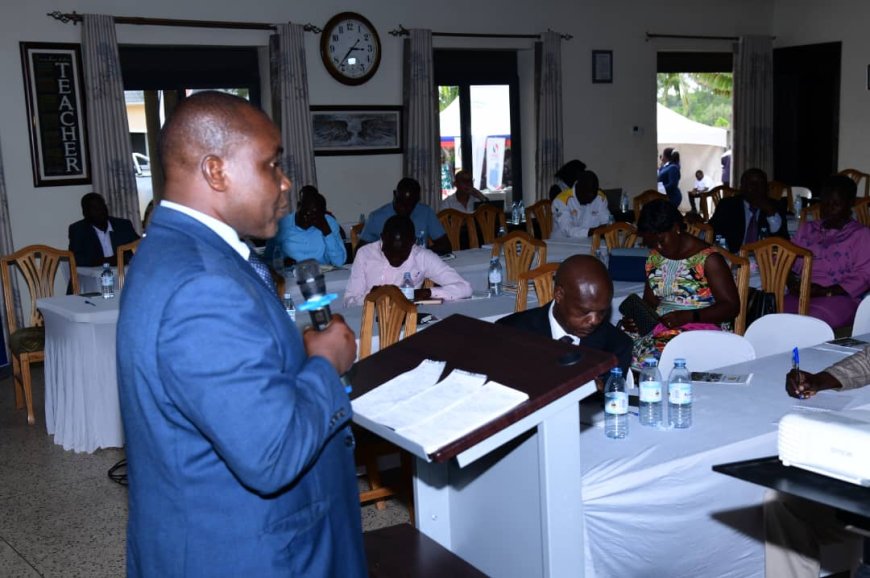
The Uganda National Bureau of Standards (UNBS), in partnership with the Ministry of Energy and Mineral Development (MEMD), has successfully concluded a routine Fuel Marking and Quality Monitoring sensitization campaign across Eastern Uganda, reinforcing efforts to safeguard fuel quality, ensure accurate measurement, and protect consumers in the petroleum sector.
The campaign, which covered the districts of Namutumba, Mbale, Budaka, Bukedea, Serere, Soroti, and Katakwi, involved a series of public engagements including community outreach meetings, radio talk shows, and stakeholder dialogues with local leaders. The initiative is part of a broader government strategy to strengthen compliance within the fuel supply chain and curb malpractice.
Speaking during the engagements, the UNBS Deputy Executive Director in charge of Management and Financial Services, Mr. Nangalama Daniel Richard Makayi, issued a strong warning to fuel industry players against engaging in adulteration practices. He emphasized that eliminating fuel-related fraud requires a collective effort from all stakeholders.
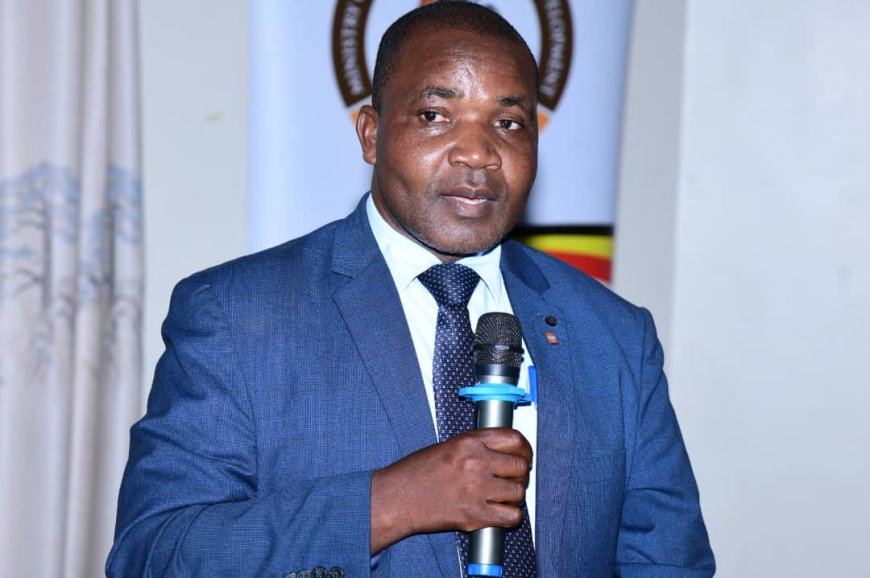
“Players in the fuel sector need to understand their role and play their part. If every actor fulfils their responsibility, we will stamp out fuel trade vices. The support of local authorities is also critical in eliminating illegal fuel trade within communities,” he said.
Makayi further called for enhanced collaboration, urging industry players, regulators, and the public to work together in eradicating fuel adulteration, noting that such efforts are vital for the growth of Uganda’s economy and the integrity of the petroleum sector.
Addressing concerns about measurement accuracy, UNBS Manager of Legal Metrology, Dr. Leatitiah Namubiru, revealed that the Bureau continues to receive complaints from consumers regarding discrepancies at fuel dispensing pumps. She reassured the public that UNBS is actively conducting routine verification of all fuel measurement equipment to promote fairness in trade.
“All equipment used in fuel trade is verified to ensure fairness. Fuel dispensers are checked twice a year to guarantee that consumers are not cheated and that fuel stations also operate within the law,” she explained.
Dr. Namubiru also encouraged consumers to remain vigilant and report any suspected malpractice, underscoring the importance of public participation in enforcing standards.
On enforcement measures, Mr. Peter Kitimbo, Supervisor of the Fuel Marking and Quality Monitoring Program, disclosed that several non-compliant fuel stations have been identified and penalized in line with the Petroleum Supply (Amendment) Act, 2023.
He noted that penalties for fuel adulteration include fines amounting to 10 percent of the value of the adulterated fuel, with stricter sanctions for repeat offenders, such as suspension or revocation of operating licenses. He added that cases involving fuel dumping or smuggling are referred to the Uganda Revenue Authority (URA) for further action, particularly on tax evasion.
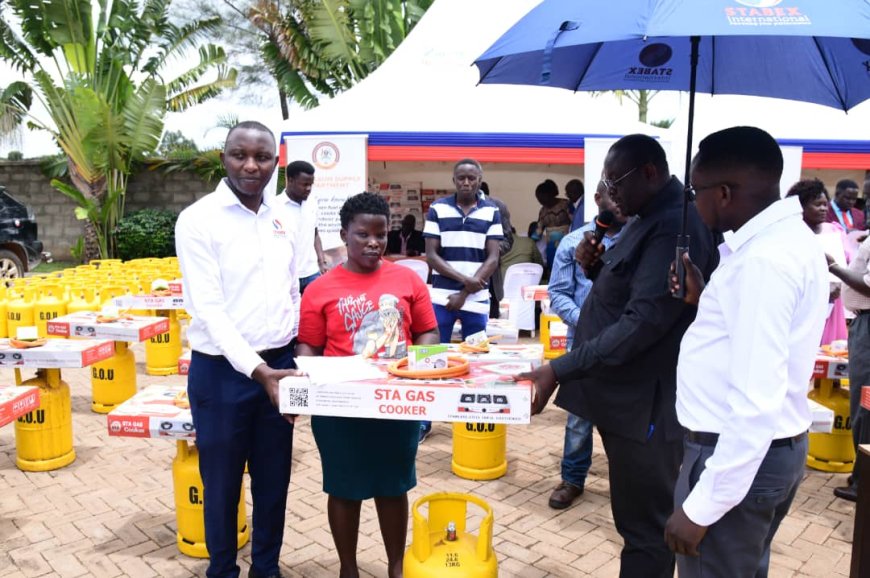
Meanwhile, the campaign also highlighted government efforts to promote cleaner energy alternatives. The Commissioner for the Petroleum Supply Department at MEMD, Rev. Justaf Frank Tukwasibwe, launched the Liquefied Petroleum Gas (LPG) promotional project in Soroti District. The initiative aims to supply subsidized LPG cylinders to households, encouraging a shift away from traditional biomass fuels such as firewood and charcoal.
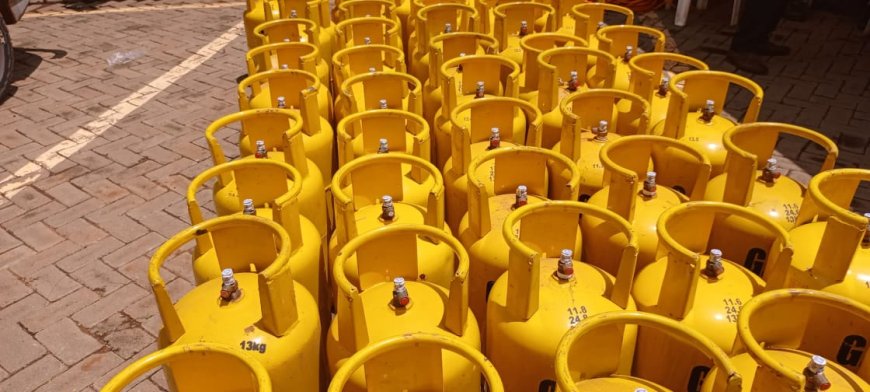
“We thank the Government of Uganda for responding positively to the needs of the Wanainchi. Subsidizing LPG cylinders increases adoption of cleaner and safer energy alternatives. These solutions reduce deforestation and improve indoor air quality, ultimately enhancing quality of life,” Rev. Tukwasibwe stated.
The Fuel Marking and Quality Monitoring Program, jointly implemented by UNBS and MEMD, is a critical intervention designed to monitor petroleum products throughout the supply chain—from importation to final consumption. The program has registered significant success, reducing fuel adulteration levels in Uganda from over 30 percent in 2000 to less than 1 percent in 2025.
Authorities reaffirmed their commitment to sustaining these gains through continuous monitoring, enforcement, and public sensitization. Members of the public have been urged to report any suspected cases of fuel adulteration or unfair practices by fuel stations through UNBS toll-free lines 0800133133 / 0800233233 or via WhatsApp on 0713227580.
As Uganda continues to strengthen regulatory oversight in the energy sector, initiatives such as this campaign are expected to play a pivotal role in ensuring product quality, consumer trust, and environmental sustainability.

John Kusolo is a Pastor, Sports Enthusiast and Ugandan journalist with Nile Chronicles News (NCN). With a strong commitment to journalistic excellence, he is recognized for his dedication, goal-oriented approach, and ability to thrive in challenging environments. Kusolo brings focused motivation and professionalism to his reporting and media assignments.












Comments (0)