
Nyenga SSS Transformed by Rotary Club of Sonde Partnership: Computers, Sanitation Facilities and Books Elevate Learning
The support package — which includes 20 brand-new computers, modern toilet facilities for boys and teachers, internet connectivity, expanded library resources, and improvements to school gardens and kitchen facilities — is already transforming teaching and learning at the Universal Secondary Education (USE) school.
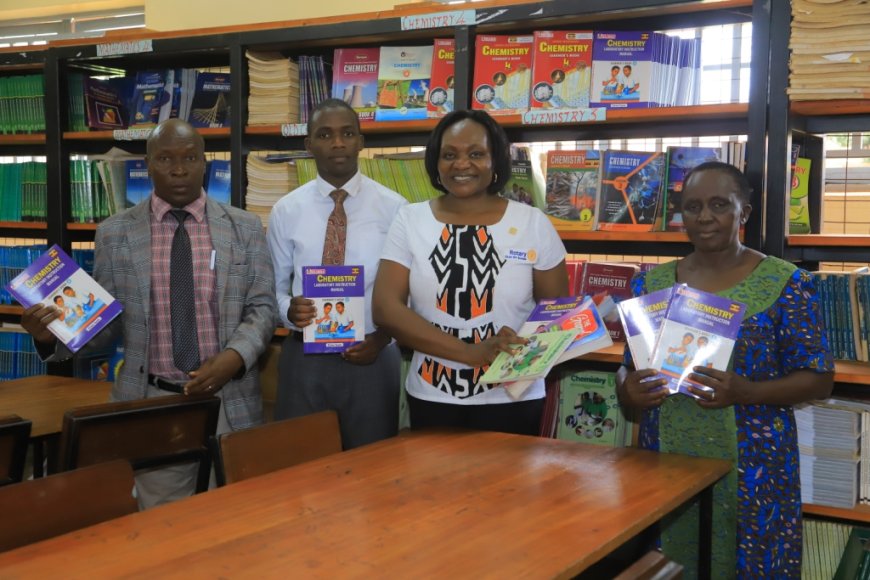
BUIKWE DISTRICT – Students and staff at Nyenga Senior Secondary School (SSS) in Kiguddu, Buikwe District, are celebrating a major boost to their learning environment following a significant intervention spearheaded by the Rotary Club of Sonde in partnership with the school’s leadership.
The support package — which includes 20 brand-new computers, modern toilet facilities for boys and teachers, internet connectivity, expanded library resources, and improvements to school gardens and kitchen facilities — is already transforming teaching and learning at the Universal Secondary Education (USE) school.
Addressing Long-Standing Challenges
With a student population of approximately 2,000 learners drawn from a wide catchment area, Nyenga SSS has long grappled with overcrowded classrooms, strained sanitation facilities, limited ICT equipment, and insufficient learning materials. The initiative was spearheaded by the school’s Board of Governors Chairperson and former student, Mrs. Rebecca Babirye Tendo, working closely with the Rotary Club of Sonde as part of its outreach under the Basic Education and Literacy focus area.
During the handover ceremony, Club President Christine Alupo underscored Rotary’s commitment to strengthening education standards in underserved communities.
“This falls within our club’s outreach on basic education and literacy,” Alupo noted. “We’ve supported internet connectivity, established toilet facilities for boys and teachers, and enhanced access to books. Given the school’s large enrollment, this intervention was necessary to ease congestion and improve the learning experience.”
She added that the club is already witnessing positive outcomes, particularly in subjects benefiting from computer-based research and practical sessions, reflected in improved performance in recent national examinations.
ICT Boost Changes Learning Dynamics
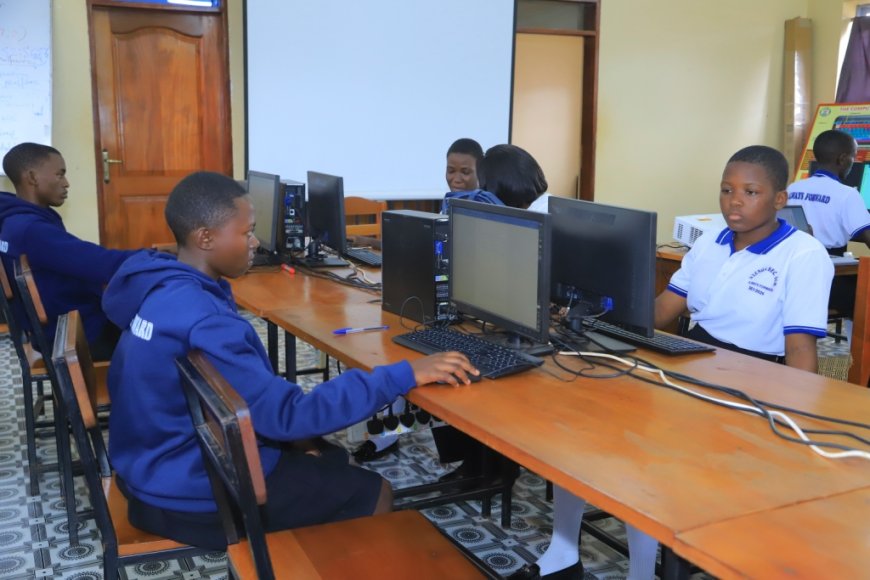
For years, the school operated with only five outdated computers, forcing ICT lessons to be conducted in shifts — sometimes stretching into the evening hours.
ICT teacher Julius Mulindwa described the new development as transformative.
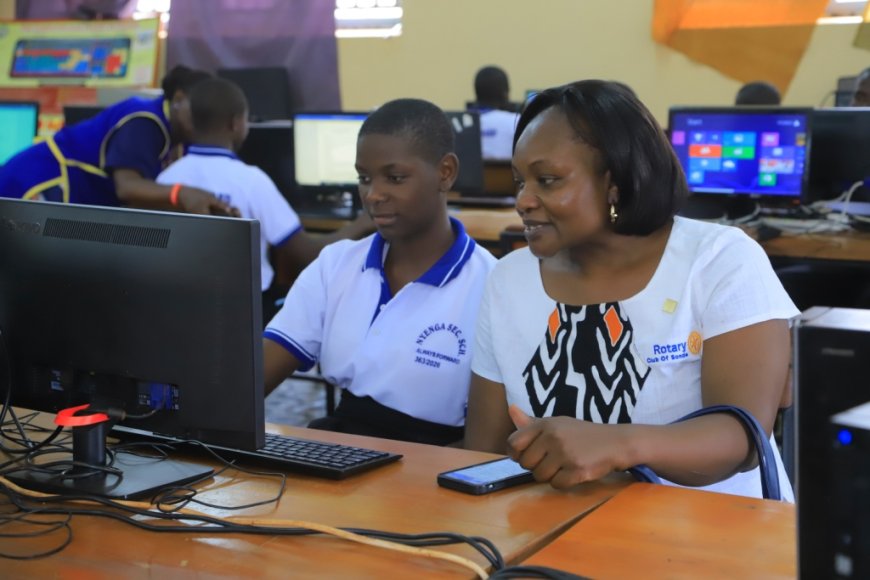
“Previously, practical lessons were extremely difficult. Students had to share very few computers, which affected performance. Now, with 20 additional machines, there is a clear difference this term,” he explained, expressing hope that the laboratory will expand further in the near future.
Senior Six student Latif Kiyemba welcomed the sanitation improvements, noting that the lack of adequate toilets had posed health risks.
“We had no proper toilets for years because of the large population,” he said. “Now sanitation is promoted, and hygiene has improved.”
Fellow student Obalim Salma highlighted the academic impact of increased computer access.
“We previously had only five computers, which affected our practical performance in ICT. Now we have about 25 in total. Access has made learning easier, and we expect strong performance this year,” she said.
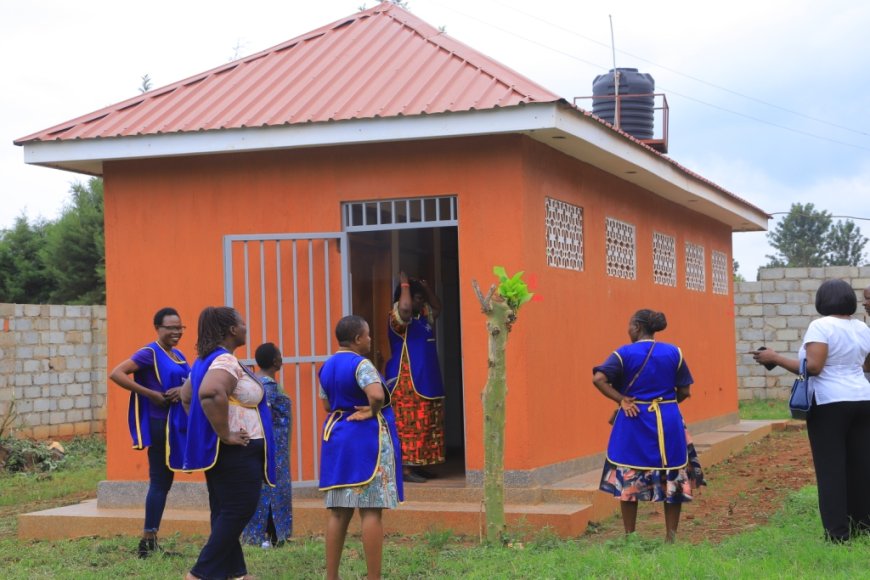
The new boys’ toilets, designed with improved water usage systems and easier maintenance, have also reduced congestion and unpleasant odors.
Strengthening Academic Resources
Head teacher Nelson Kanyike emphasized that internet connectivity and the expanded library stock are enabling students to conduct research more effectively — a significant shift for a USE school that relies heavily on government capitation grants.
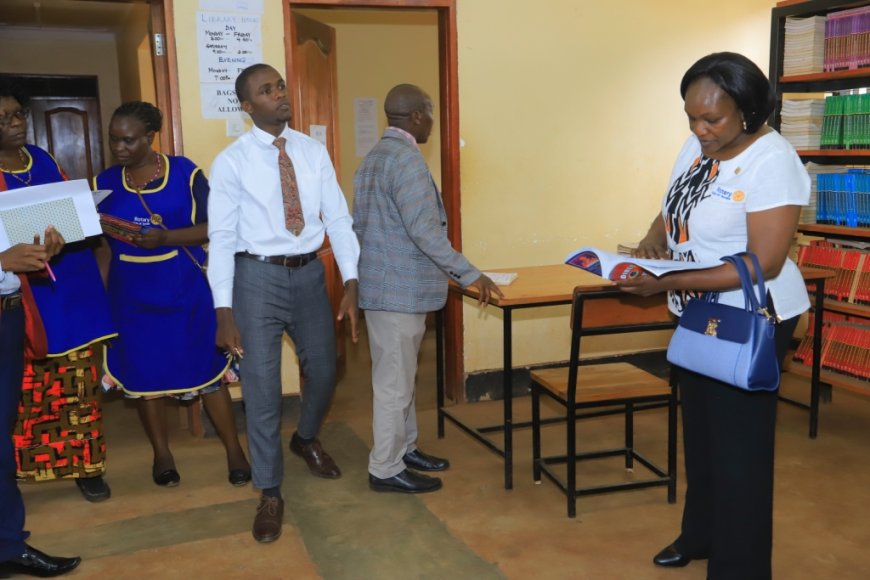
“As a USE school, the donated books have made a big impact,” Kanyike said. “Students can now access updated materials and carry out research online, which enhances comprehension and academic confidence.”
Board of Governors Vice Chairperson Florence Walubo Abenakyo, speaking on behalf of Chairperson Mrs. Tendo, expressed deep appreciation for the partnership.
“We have received two VIP toilets — one for boys and one for staff — textbooks and 20 new computers. These are uplifting the school’s standards. Students can now use computers more freely compared to before,” she noted.
Persistent Gaps and Call for Broader Support
Despite the progress, school leaders acknowledged that significant challenges remain. These include overcrowded classrooms, incomplete infrastructure, teacher shortages, and inadequate dormitory facilities.
Walubo revealed that some students currently sleep in classrooms due to the lack of sufficient dormitories. She called for support to complete unfinished boys’ dormitories, construct proper girls’ facilities, and improve bedding conditions.
She also urged parents to remain actively involved in supporting the school, cautioning against the misconception that Universal Secondary Education covers all student needs.
“Government funding does not cater for uniforms, meals, or infrastructure expansion. Parents need sensitization, and leaders should support this effort rather than interfere,” she said.
Reverend Barbara Nakiyo Chaplin praised the partnership, describing it as a turning point for the rural-based institution.
“We are now on another level. With hands-on computer access in this technology era, students will perform better and attract more enrollments. We aim to be among Uganda’s best schools thanks to this support,” she said.
Power of Partnerships in Public Education
The Nyenga SSS intervention underscores the importance of collaborative efforts between alumni, school boards, community leaders, and service organizations in bridging resource gaps within Uganda’s public education system.
While issues such as overcrowding and dedicated facilities for girls remain pressing, stakeholders expressed optimism that sustained partnerships and community engagement will continue driving progress.
For the learners of Nyenga SSS, the transformation represents more than infrastructure — it signals renewed hope, improved dignity, and expanded opportunity in their academic journey.

John Kusolo is a Pastor, Sports Enthusiast and Ugandan journalist with Nile Chronicles News (NCN). With a strong commitment to journalistic excellence, he is recognized for his dedication, goal-oriented approach, and ability to thrive in challenging environments. Kusolo brings focused motivation and professionalism to his reporting and media assignments.










Comments (0)