
President Museveni Taps BBC Veteran Alan Kasujja to Lead Uganda Media Centre in Strategic Communications Shift
Kasujja assumes office following the departure of Ofwono Opondo, who recently transitioned into elective politics. His appointment comes as government intensifies efforts to accelerate socio-economic development and strengthen Uganda’s global image.
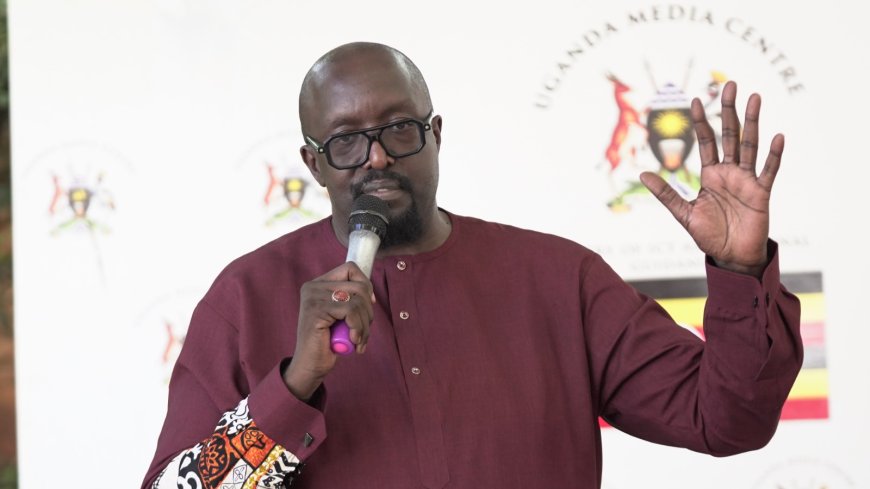
KAMPALA, UGANDA – President Yoweri Kaguta Museveni has appointed seasoned journalist and international broadcaster Alan Kasujja as the new Executive Director of the Uganda Media Centre (UMC), ushering in a new chapter for the government’s communications arm at a time of heightened focus on economic transformation and global positioning.
Kasujja assumes office following the departure of Ofwono Opondo, who recently transitioned into elective politics. His appointment comes as government intensifies efforts to accelerate socio-economic development and strengthen Uganda’s global image.
A Veteran Broadcaster Returns Home
With more than 25 years of experience in journalism, Alan Kasujja is widely regarded as one of Africa’s most accomplished media professionals. He returns to Uganda after a distinguished 13-year tenure at the BBC in London, where he served as a lead presenter on Newsday and hosted the flagship podcast Africa Daily.
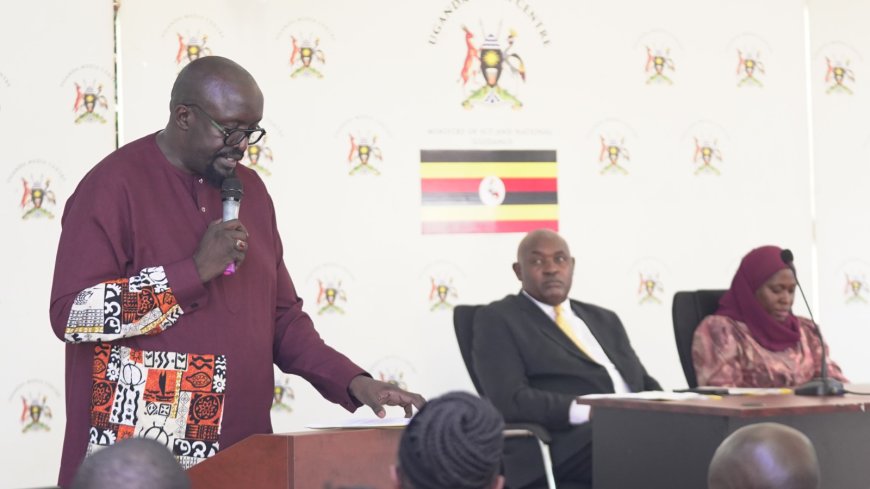
During his time at the BBC, Kasujja played a pivotal role in amplifying African narratives on the global stage, earning recognition for his analytical depth, professionalism, and commitment to balanced reporting. His interviews with heads of state, policymakers, and global thought leaders helped shape international conversations about Africa’s governance, development, and opportunities.
Before his international career, Kasujja had already cemented his name in Uganda’s media landscape. He was a household voice on Capital FM’s The Big Breakfast and later hosted The Fourth Estate, a political talk show that became a key platform for national debate. In 2016, he co-moderated Uganda’s first-ever televised presidential debate, marking a historic moment in the country’s democratic discourse.
Strategic Leadership at a Critical Moment
As Executive Director of the Uganda Media Centre and the government’s chief spokesperson, Kasujja steps into a role central to shaping public communication and policy awareness. The Uganda Media Centre was established to coordinate government communication, manage media relations, and ensure that official information is accurately disseminated to both local and international audiences.
In his new role, Kasujja is expected to strengthen the Centre’s function as a unified communications hub that bridges government, media, and citizens. His vision centers on building a reliable, proactive, and credible institution that effectively communicates government policies, programs, and projects while promoting transparency and public trust.
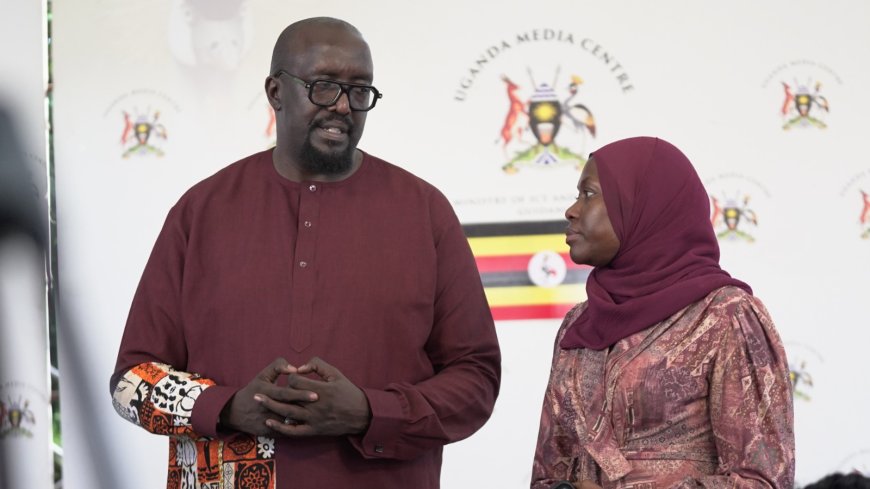
He is also poised to spearhead a digital transformation strategy aimed at enhancing the government’s online presence and enabling real-time engagement, particularly among young people who increasingly rely on digital platforms for news and civic participation.
Combating Misinformation, Elevating Uganda’s Image
A key priority under his leadership will be countering misinformation by positioning the Uganda Media Centre as a trusted source of verified information. In an era where digital platforms can rapidly amplify unverified claims, strengthening fact-based communication is seen as essential to safeguarding public confidence and national cohesion.
Kasujja’s extensive international network is also expected to play a significant role in repositioning Uganda globally. By leveraging his global media experience and contacts, he aims to project a compelling narrative of Uganda as a country rich in opportunity, innovation, and potential.
“Uganda is a beautiful country full of opportunities, and our mission is to make sure that our country claims its rightful place in the world,” Kasujja said, underscoring his commitment to elevating the nation’s profile.
The appointment signals a strategic shift toward professionalized, globally attuned communication at a time when Uganda is pursuing ambitious economic and development goals. By bringing together deep local roots and international expertise, Alan Kasujja’s leadership is expected to redefine how government engages with the media and the public—both at home and abroad.
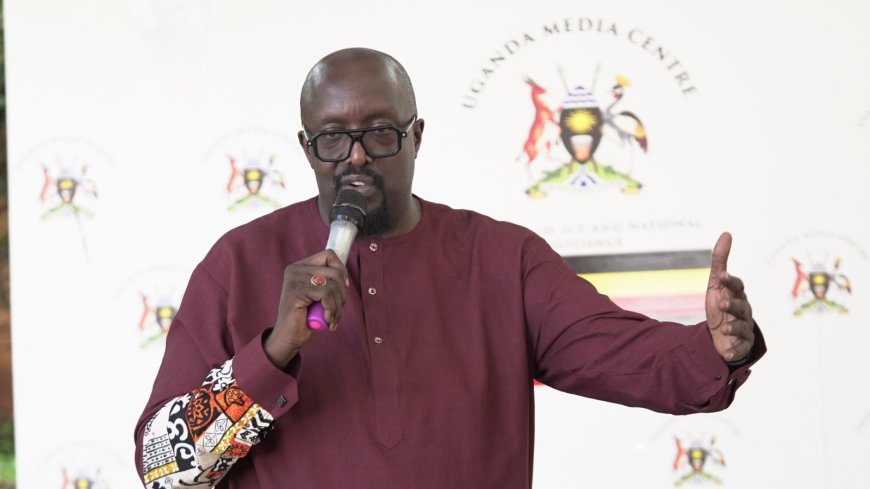
As he takes the helm at the Uganda Media Centre, attention will turn to how effectively the institution adapts to the evolving media landscape, strengthens public trust, and contributes to shaping Uganda’s national narrative in the years ahead.

John Kusolo is a Pastor, Sports Enthusiast and Ugandan journalist with Nile Chronicles News (NCN). With a strong commitment to journalistic excellence, he is recognized for his dedication, goal-oriented approach, and ability to thrive in challenging environments. Kusolo brings focused motivation and professionalism to his reporting and media assignments.







Comments (0)