
Government Announces Tough New Reforms as Public Servants Warned on Performance, Corruption
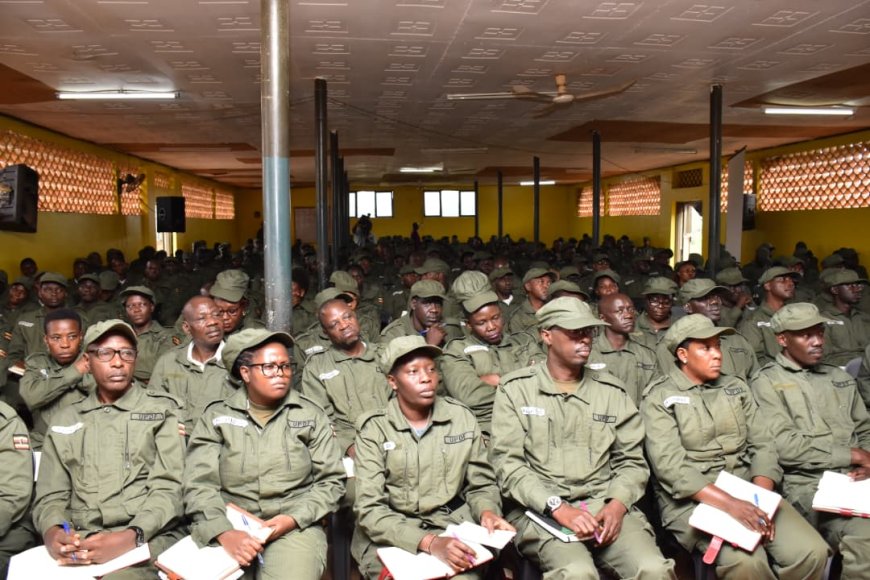
The announcements were made during a high-level engagement with Local Government human resource managers and Secretaries to District Service Commissions (DSCs) at the National Leadership Institute (NALI) in Kyankwanzi on Tuesday, where both officials delivered strong messages emphasizing performance, discipline, and integrity in public service.

The Head of Public Service and Secretary to Cabinet, Ms. Lucy Nakyobe, together with the Permanent Secretary in the Ministry of Local Government, Mr. Ben Kumumanya, have unveiled sweeping reforms aimed at reshaping Uganda’s public service, tightening accountability, and strengthening the fight against corruption.
The announcements were made during a high-level engagement with Local Government human resource managers and Secretaries to District Service Commissions (DSCs) at the National Leadership Institute (NALI) in Kyankwanzi on Tuesday, where both officials delivered strong messages emphasizing performance, discipline, and integrity in public service.
Performance-Based Public Service Model
Ms. Nakyobe announced a major policy shift that will fundamentally redefine job security in the civil service, stating that government employees will no longer remain in office solely on the basis of being “permanent and pensionable,” but will instead be retained based on performance.
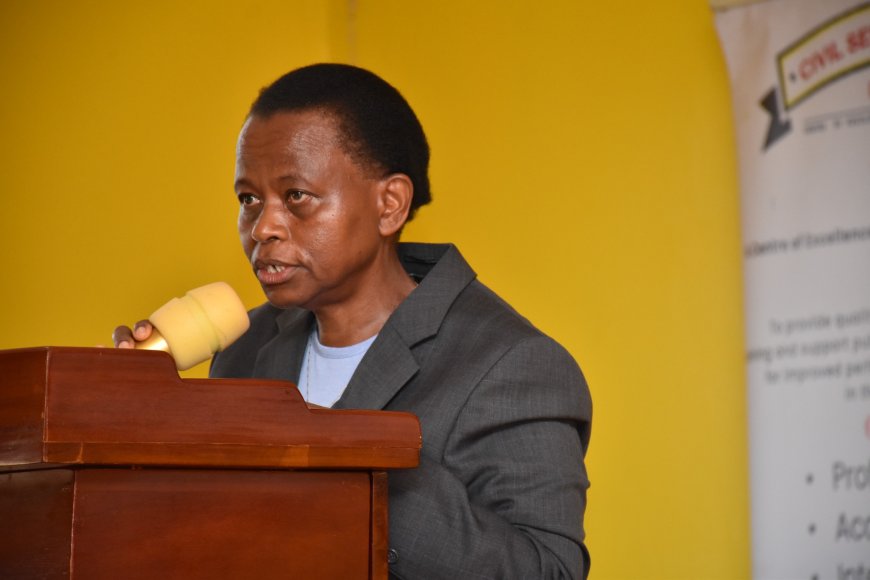
“We are going to change the clause in the standing orders which says that you are permanent and pensionable. We are going to add that you are permanent and pensionable if you deliver,” she said.
She emphasized that government will strengthen systems of monitoring, inspection, evaluation, and supervision to ensure accountability at all levels. According to her, laxity in service delivery has contributed to inefficiencies within government institutions, warning that the era of underperformance is coming to an end.
“This is no longer going to be business as usual,” she stressed.
Rotation of Senior Officials
In a bid to eliminate entrenched networks that promote favoritism and inefficiency, Nakyobe also announced plans to regularly rotate Permanent Secretaries and senior departmental heads.
She proposed a three-year tenure for top civil servants before reassignment, arguing that prolonged stay in one position has contributed to complacency and institutional capture.
“Permanent Secretaries and heads of departments have to be rotated regularly. You will serve for three years and be transferred so that someone else comes in,” she said.
She further warned against the growing practice where senior officials resist the transfer of certain staff members perceived as “their people,” noting that such practices weaken institutional integrity.
“This idea of a Permanent Secretary saying that this is my accountant or procurement officer, don’t shift him or her, is coming to an end,” she added, warning that those who resist reforms risk losing their positions.
Concerns Over Corruption in Recruitment
Ms. Nakyobe also expressed concern over corruption within District Service Commissions and human resource offices, accusing some officials of abuse of office, unprofessional conduct, and lack of patriotism.
She said corruption was not limited to lower levels of government but also extended to recruitment bodies, including the Public Service Commission and local government structures.
“Corruption is not only in the DSCs; it is also in the Public Service Commission. I haven’t followed other commissions closely but I have heard reports of what is going on,” she said.
She further observed that the current system of appointing members of District Service Commissions creates room for influence and favoritism, since appointees are often recommended by political leaders who may expect loyalty in return.
“I have recommended that we change the way of appointing members of the DSCs, as a way of fighting corruption since corruption in the public service is not an allegation but a fact,” she emphasized.
Nakyobe also reminded human resource managers that their role goes beyond recruitment and staffing processes, stressing that they are key custodians of public service values.
“You are the human resource managers and stewards of the workforce and therefore influence the quality, discipline, productivity and integrity of the public service,” she said.
Warning Against Corruption in Local Governments
On his part, Mr. Ben Kumumanya, the Permanent Secretary in the Ministry of Local Government, issued a strong warning against corruption in recruitment processes, particularly the illegal sale of jobs in local governments.
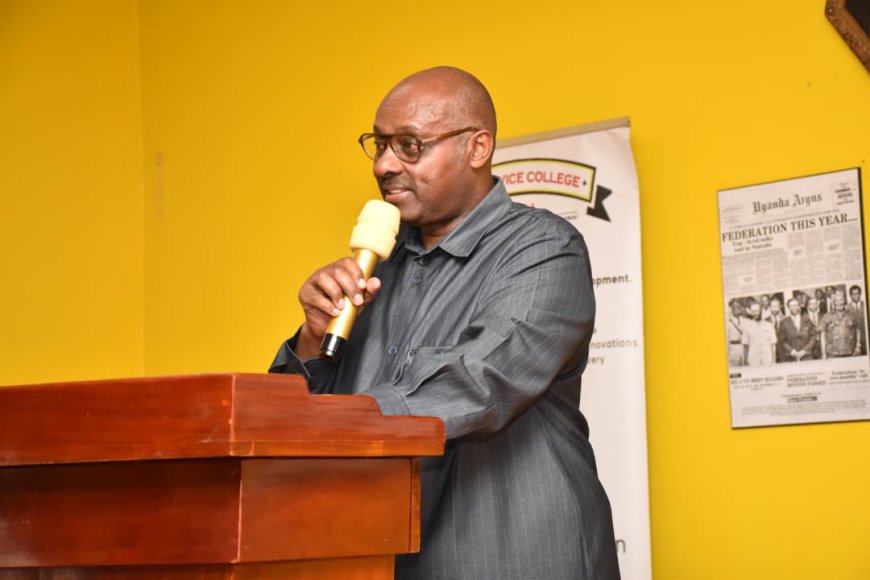
He said government had introduced strict measures requiring all job advertisements to carry a disclaimer warning against payment for employment opportunities.
“We want the population to come out and inform us of the corruption mayhem. I issued a circular to all local governments that every job advert should have a disclaimer stating that no one should pay money to get a job. Anybody asking for money to offer a job is committing an illegality,” Kumumanya said.
He noted that despite government efforts, the fight against corruption continues to face challenges, largely due to fear among citizens to report cases to relevant authorities such as the Inspectorate of Government, CID, and the Anti-Corruption Unit.
“The biggest challenge in fighting corruption is lack of evidence because people fear to report cases,” he said.
Kumumanya further emphasized the need for commitment among public servants and citizens alike, warning that integrity in public service often comes at a personal cost.
“Many people fall off the line because they are not committed to their cause. One must be ready to pay a price,” he added.
Push for a Transformed Public Service
The remarks from both Nakyobe and Kumumanya signal a renewed push by government to transform Uganda’s public service into a more accountable, performance-driven system.
The proposed reforms, particularly around performance-based retention, rotation of senior officials, and anti-corruption enforcement, are expected to spark wide debate within the civil service as implementation details are developed.
If fully enforced, the reforms could mark one of the most significant shifts in Uganda’s public administration in recent years, with a strong focus on efficiency, discipline, and transparency.

John Kusolo is a Pastor, Sports Enthusiast and Ugandan journalist with Nile Chronicles News (NCN). With a strong commitment to journalistic excellence, he is recognized for his dedication, goal-oriented approach, and ability to thrive in challenging environments. Kusolo brings focused motivation and professionalism to his reporting and media assignments.













Comments (0)